
Quick Summary
A commercial plumber for high-rise water leaks is a licensed professional trained to handle building-scale systems, where water spreads quickly through floors and risers. Start by shutting off the nearest valve, moving people and items away, and documenting the damage. Then call a commercial plumber who can isolate the leak and coordinate access with building management.
- Locate the nearest shutoff valve for the affected unit or riser and close it immediately.
- Turn off power to electrical outlets and fixtures in any wet area.
- Take dated photos and video of affected ceilings, walls, floors, and equipment.
- Never assume a wet ceiling marks the leak; check the floor above and wall cavities.
- Designate one point of contact to approve access, authorize shutdowns, and relay updates.
Table of Contents
- Why High-Rise Water Leaks Need a Commercial Plumber
- Immediate Steps to Take When a High-Rise Leak Starts
- Isolating the Leak by Building System and Location
- Water Leak Detection Methods for Tall Buildings
- How an Emergency Commercial Plumber Gets Access to High-Rise Systems
- Commercial Water Leak Repair and Coordinating Tenants, Managers and Contractors
- What Plumbing Leak Repair Cost Depends On and How to Get a Quote
- Booking Your Commercial Plumber for Your Next High-Rise Leak
- Frequently Asked Questions
Why High-Rise Water Leaks Need a Commercial Plumber
Last Updated: November 22, 2026
At Alpha Rooter & Plumbing, we know that a water leak in a high-rise is never a small problem. Water travels down through floors, into ceilings, and along risers that serve dozens of units at once. A commercial plumber for high rise water leaks works differently from a residential plumber because the system is larger, the access is harder, and the damage spreads faster.
A high-rise plumbing system is a network of vertical risers, horizontal branch lines, pressure zones, and shutoff valves. When one section fails, the rest of the building may need to be isolated before repairs can start. A residential plumber rarely deals with that scale.
Property managers, restaurant owners, and retail tenants all feel the impact of a leak. Units may lose water service, common areas may flood, and businesses may need to close until the damage is contained. Speed matters, but so does a methodical approach to finding and fixing the source.
Commercial plumbers bring the training and equipment to handle these conditions. They understand pressure zones and the coordination required with building staff. Alpha Rooter & Plumbing’s licensed plumbers work with property managers to limit disruption to tenants.
Immediate Steps to Take When a High-Rise Leak Starts
The first priority is to stop the water flow. Locate the nearest shutoff valve for the affected unit or riser and close it. If you cannot find the valve, contact building management or the on-call maintenance staff right away.
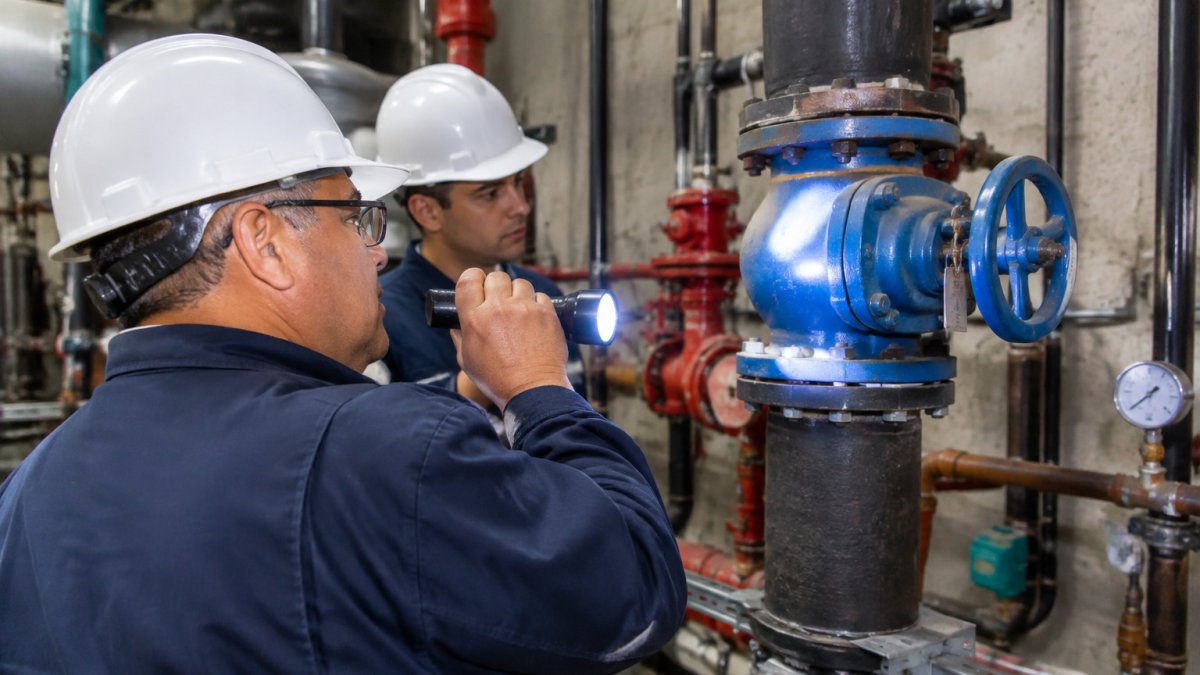
Next, move people and valuable items away from the water. Turn off power to any electrical outlets or fixtures in the wet area. Water and electricity create a serious hazard, so treat any standing water near wiring as dangerous.
Document the damage as soon as it is safe. Take dated photos and video of affected ceilings, walls, floors, and equipment. This record supports insurance claims and helps the plumber understand where the water came from.
Call a commercial plumber as soon as the water is controlled. Describe the location, the floor, the source if known, and whether the leak is still active. A clear description helps the dispatcher send the right crew.
Isolating the Leak by Building System and Location
Finding the leak in a high-rise means working through the system in layers, and the layer you are in changes both the isolation method and who should touch the valve. Start by identifying which riser, branch, or fixture line is affected, then narrow the search to a specific floor and unit.
Risers. A vertical riser serves stacked units or zones, so a leak on a riser can show up floors below the actual failure. Isolating a riser usually means closing a valve at a zone boundary or in a riser closet. Because one riser can feed dozens of fixtures, confirm with building management which units will lose water before you close it.
Branch lines. Horizontal branch lines run from the riser to fixtures on a single floor. A branch-line leak is often confined to one unit or one restroom core, so isolation is narrower and service interruptions are smaller. Trace the branch back to its isolation valve rather than shutting the whole riser.
Fixtures and supply stops. A leaking toilet, sink, or ice machine can usually be isolated at its angle stop or fixture shutoff. This is the least disruptive step and should be tried first when the source is visible.
Ceilings and shared spaces. Water on a ceiling or in a corridor often originates on the floor above or inside a wall cavity. Do not assume the wet ceiling is the leak location. Check the floor above, the mechanical room, and any penetrations before opening finished surfaces.
Mechanical rooms and pump areas. Leaks near pumps, pressure-reducing valves, and water heaters may involve equipment that building staff are not trained to isolate. These areas often have dedicated shutoffs and may require the building engineer.
Plumbers often isolate sections by closing valves one at a time and watching for changes in water flow or pressure. If the leak stops when a valve is closed, the problem lies in the section it serves.
Keep the building’s riser diagrams handy, because they show valve locations and zone boundaries. If diagrams are missing or outdated, the plumber may need to trace lines physically before isolating.
Watch out: building staff should not operate valves they cannot positively identify, especially main riser valves, fire-suppression control valves, or valves tagged for a specific zone. Closing the wrong valve can interrupt water to unrelated floors, trigger fire-system alarms, or leave a section pressurized while work begins. When in doubt, wait for the building engineer or the commercial plumber.
Water Leak Detection Methods for Tall Buildings
Several methods help locate leaks in tall buildings. Each has strengths and limits, and the right choice depends on the suspected location and the type of pipe.
Pros and cons of common detection methods
| Method | Best For | Advantages | Limitations |
|---|---|---|---|
| Visual inspection | Exposed pipes and fixtures | Fast and low cost | Misses concealed leaks |
| Pressure testing | Isolated sections | Confirms whether a section holds | Requires shutting down service |
| Acoustic listening | Pressurized lines in walls | Pinpoints sound of escaping water | Needs experienced technician |
| Thermal imaging | Hidden moisture in ceilings and walls | Shows wet areas without opening walls | Results depend on conditions |
| Moisture meters | Confirming wet materials | Quantifies moisture levels | Only shows surface readings |
Visual inspection should always come first, since it costs little and can reveal obvious problems. Acoustic and thermal methods help when the leak is hidden behind finished surfaces.
How an Emergency Commercial Plumber Gets Access to High-Rise Systems
Access is one of the biggest obstacles in high-rise repairs. Plumbers typically need building management to unlock mechanical rooms, riser closets, and roof access points. Having the building’s emergency contact list ready speeds this process.
Many buildings require a sign-in process, proof of insurance, and a site orientation before work begins. Ask your property manager about these requirements ahead of time. Knowing them in advance can save hours during an emergency.
Access to individual units may need tenant permission. Clear communication between the building, the tenant, and the plumber keeps the work moving.
Commercial Water Leak Repair and Coordinating Tenants, Managers and Contractors
Repairing a commercial water leak involves more than fixing the pipe. Property managers, tenants, and contractors all have roles to play, and gaps in communication cause delays. In a high-rise, one leak can affect multiple units, shared corridors, and building systems at once, so coordination has to be deliberate.
Assign one point of contact. Property managers should designate a single person to approve access, authorize shutdowns, and relay updates. That person should have the authority to make decisions after hours, not just during business hours.
Track responsibility in writing. Keep a simple incident log that records who reported the leak, when it was reported, which valves were closed and by whom, which units were affected, and when the plumber arrived. This log supports insurance claims and prevents disputes about who authorized a shutdown.
Coordinate access before the crew arrives. Plumbers need building management to unlock mechanical rooms, riser closets, and roof access points. Many buildings require sign-in, proof of insurance, and a site orientation. Confirm these requirements in advance so the crew is not waiting in a lobby during an active leak. Access to individual units may need tenant permission, and tenants may not be on site during the day.
Notify tenants with specifics. A short written notice should state which units or floors will lose water, the expected start and end time, and who to contact with questions. For restaurants and retail spaces, include whether restrooms will be affected and whether the business can remain open. Vague notices generate more calls than they prevent.
Sequence the trades. Contractors handling drywall, flooring, or electrical work need to wait until the plumber confirms the leak is repaired and the area is dry. Drying and restoration should follow the plumbing repair, not run in parallel with it, because opening walls before the leak is confirmed can hide the source and waste work.
Document damage as you go. Dated photos and video of affected ceilings, walls, floors, and equipment help the plumber understand where the water came from and help the property manager support an insurance claim. Document before demolition and again after drying.
Close the loop. After the repair, confirm with the property manager that water service is restored, that affected tenants have been notified, and that any restoration work is scheduled. A short written summary of what failed and what was replaced helps the building plan prevention.
Good coordination shortens total downtime and reduces the chance that a second leak or a restoration problem follows the first.
What Plumbing Leak Repair Cost Depends On and How to Get a Quote
Repair costs vary widely based on the leak’s location, the pipe material, the amount of damage, and how much access work is needed. Pricing depends on these factors, so the best way to learn current pricing is to contact Alpha Rooter & Plumbing directly.
To get an accurate quote, describe the building type, floor, affected system, and whether water is still flowing. Ask the plumber to explain what is included, such as diagnostic time, materials, and any after-hours charges. Visit the Alpha Rooter & Plumbing website for current service information or to request a quote.
Booking Your Commercial Plumber for Your Next High-Rise Leak
When a high-rise leak starts, act quickly. Shut off water where you can, document the damage, and call a commercial plumber who understands building-scale systems. At Alpha Rooter & Plumbing, our licensed team responds to emergencies around the clock and works with property managers, restaurant owners, and retail tenants to get water flowing safely again.
Frequently Asked Questions
How much does a commercial plumber charge for a water leak?
Pricing depends on how far the leak has spread, how many floors and units are involved, the access work needed, and whether the repair is temporary or permanent. Alpha Rooter & Plumbing offers upfront pricing with no hidden fees, so ask for a written estimate and confirm what is included, including any after-hours or weekend charges, before approving the work. For current pricing or a quote, contact Alpha Rooter & Plumbing directly.
What should building staff do first when a high-rise water leak is discovered?
Shut off the water supply to the affected riser or zone if the valves are clearly labeled and safe to reach, and alert the building’s property manager and any tenants on the affected floors. Move valuables away from the water, photograph the damage and note times, and call a commercial plumber right away. Do not attempt complex repairs on pressurized lines or electrical equipment without trained staff. Clear documentation from the first hour helps with insurance claims later.
Can a water leak in one high-rise unit affect other floors?
Yes. Water can travel down through floor assemblies, shared risers, and ceiling cavities, so a leak on one floor may show up several levels below. Pressure changes in a shared water system can also cause leaks to appear in other units. A commercial plumber will check connected risers and drain lines during diagnosis, not just the unit where the water was first noticed.
How quickly should a commercial plumber respond to a high-rise leak?
For active leaks that threaten property or occupant safety, response should be measured in minutes to a few hours, not days. Alpha Rooter & Plumbing guarantees a response time of under 90 minutes for emergency calls. Ask any plumber you are considering what their target response time is, whether they staff after-hours calls, and how they handle access into secured building systems.
