
Last Updated: October 31, 2026
Quick Summary
Most homes should schedule professional drain cleaning every one to two years, but the right interval depends on household size, cooking habits, water hardness, pipe age, and clog history. Busy households or homes with repeated clogs may need cleaning once or twice a year, and a camera inspection gives a clearer answer than any calendar.
- Average homes often clean every one to two years; busy households may need it yearly.
- Homes with a history of clogs may need cleaning twice a year, or as a plumber advises.
- Score your home on household size, grease load, water hardness, pipe age, and clog history.
- Kitchen drains need cleaning every six to twelve months because grease builds up fastest there.
- Several slow fixtures at once, or sewage backing up, means call a plumber right away.
Table of Contents
- 7 Signs Your Drains Need Cleaning Now
- How Often to Schedule Drain Cleaning for a Typical Home
- Factors That Change Your Drain Cleaning Schedule
- A Drain Maintenance Schedule by Drain Type
- How Often to Clean Kitchen Drains and Garbage Disposals
- Main Sewer Line Cleaning Frequency and Inspection
- Signs a Drain Needs Professional Cleaning Right Away
- Booking Your Next Drain Cleaning With Alpha Rooter & Plumbing
- Frequently Asked Questions
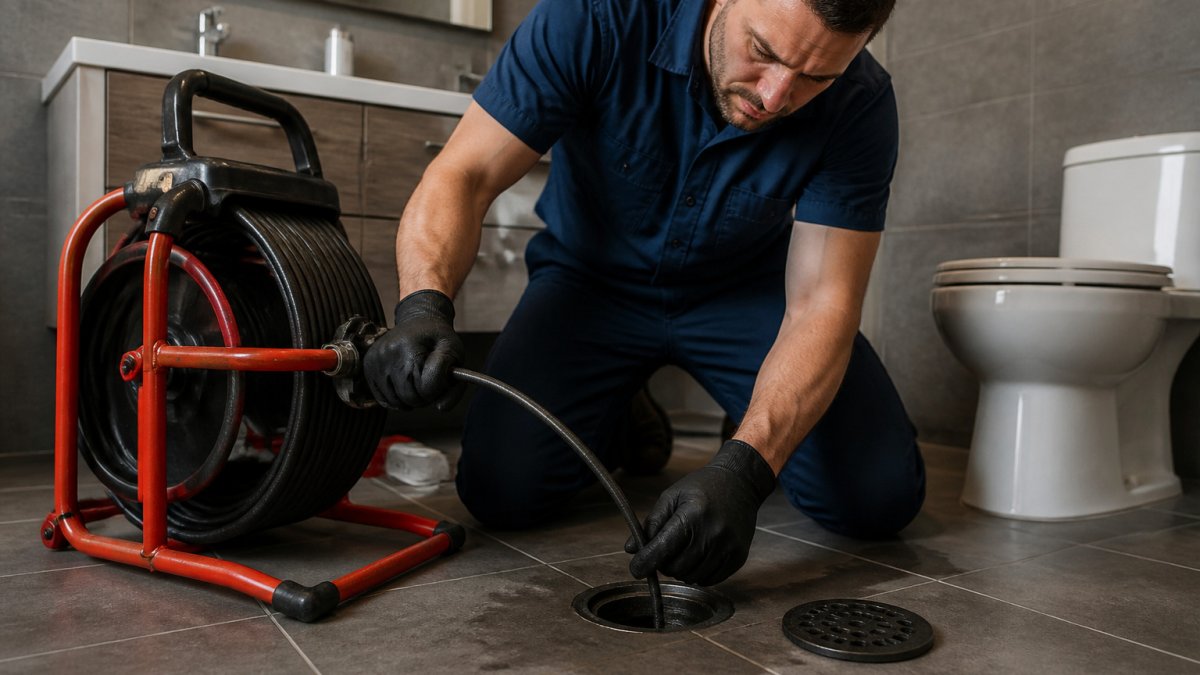
Drain cleaning is the process of clearing built-up grease, hair, soap scum, and debris from pipes so water flows freely. Done on a regular schedule, it prevents small slow drains from turning into full backups.
7 Signs Your Drains Need Cleaning Now
Your drains usually warn you before they fail. Watch for these signs:
- Water drains slowly from sinks, tubs, or showers, which may mean a clog that a drain line repair service can diagnose and fix
- Gurgling sounds when you run water in another fixture
- Bad odors coming up from drains
- Water backing up into a tub or shower when a toilet flushes
- Clogs that come back soon after a quick fix
- Multiple fixtures slowing down at the same time
- Water pooling around floor drains or in the yard near a cleanout
Several of these together point to a clog deeper in the main line, not just a single fixture.
How Often to Schedule Drain Cleaning for a Typical Home
For many homes, professional drain cleaning every one to two years is a common starting point. Many homeowners set a yearly reminder and adjust it based on what they see.
A common approach looks like this:
- Average household: Every one to two years
- Busy household or heavy use: Once a year
- Homes with a history of clogs: Twice a year, or as advised by a plumber
- Older homes with aging pipes: Schedule an inspection first, then set the interval
These are guidelines, not fixed rules. A camera inspection gives a clearer answer than any calendar.
Factors That Change Your Drain Cleaning Schedule
No single number fits every house. The recommendations you see range from yearly to every two years because each one assumes a different set of conditions. Instead of picking one interval, score your home against the factors below and let the total move your schedule up or down.
Household Size and Plumbing Usage
More people means more water, hair, soap, and waste moving through the same pipes. A common pattern practitioners use:
- One to two people: the baseline one-to-two-year interval usually holds.
- Three to four people: plan on yearly cleaning for the bathroom and kitchen drains.
- Five or more, or a home with frequent guests: every six to twelve months is a safer cadence, especially for the bathroom group where hair accumulates fastest.
A second full bathroom or a guest suite adds fixtures but not necessarily flow, so the load per pipe matters more than the fixture count.
Cooking Habits and Grease Load
A kitchen that fries food, cooks with oil regularly, or pours pan grease down the sink builds up faster than one that mostly boils and bakes. Homes with a garbage disposal may also need more frequent kitchen drain work because food solids add to the grease layer. If your household cooks at home most nights, treat the kitchen drain on the shorter end of its range.
Hard Water and Mineral Buildup
Hard water leaves calcium and magnesium deposits inside pipes over time. Those deposits narrow the pipe and give grease and soap scum a rough surface to cling to. If you see white crust on faucets and showerheads, assume your drains are scaling at the same rate and shorten the interval for the fixtures that see hot water, the kitchen sink, bathroom sinks, and tubs.
Pipe Age and Material
Older pipes, including corroded cast iron and aging galvanized steel, narrow and roughen with age, so debris catches more easily. A home built before the 1980s is a reasonable trigger to schedule a camera inspection first and set the cleaning interval from what the camera shows rather than from a calendar.
Clog History
Past behavior is the best predictor. If your home has had repeated clogs, plan for more frequent cleanings until the cause is found and fixed. A clog that returns in the same spot within weeks usually means the line was never fully cleared or there is a defect, roots, a belly in the pipe, or a break, that cleaning alone will not solve.
Putting the Factors Together
Use this as a starting point, then adjust:
- Low load (one to two people, light cooking, newer pipes, no clog history): every one to two years.
- Average load (three to four people, regular cooking, no major pipe concerns): once a year.
- High load (five or more people, heavy frying or grease use, hard water, older pipes, or any clog history): every six to twelve months, with a camera inspection before the first visit.
These are guidelines, not fixed rules. A camera inspection gives a clearer answer than any calendar, and a plumber who has seen your line can set an interval that fits it.
Frequency depends on drain condition and usage, not on a universal interval. Score your home on household size, grease load, water hardness, pipe age, and clog history, then move toward the shorter end of the range for every factor that applies.
A Drain Maintenance Schedule by Drain Type
Different drains collect different material at different rates, so a single whole-house interval underserves the kitchen and overschedules the toilet. Here is a practical cadence by drain type, with what actually builds up in each and what to do between professional visits.
| Drain Type | Suggested Interval | What Builds Up | Between-Service Care |
|---|---|---|---|
| Kitchen sink and disposal | Every 6 to 12 months | Grease, food solids, soap scum | Flush with hot water after each disposal use; never pour fats or coffee grounds down the sink |
| Bathroom sinks and tubs | Every 12 to 18 months | Hair, soap scum, toothpaste, skin cells | Use a hair catcher; pull and clear the stopper monthly |
| Toilets | As needed | Paper, waste, mineral scale | Watch for slow flushing or a weak flush; do not use the toilet as a trash can |
| Main sewer line | Every 1 to 2 years, or after an inspection | Roots, grease, sediment, scale | Keep grease and wipes out of every drain; schedule a camera inspection if multiple fixtures slow at once |
Kitchen Sink and Disposal
Kitchen drains see the most grease, so they need the most attention. Grease cools and coats the pipe wall, then food solids and soap scum stick to it. Clean the disposal and drain every six to twelve months. Flush the drain with hot water after each use of the disposal, and avoid putting fats, oils, coffee grounds, or fibrous vegetable scraps down the sink. Run cold water while the disposal runs and for a few seconds after, then switch to hot water to help move residue along.
Bathroom Sinks, Tubs, and Showers
Hair is the dominant clog material here, and it binds with soap scum to form a mat that water passes through slowly before it stops altogether. A hair catcher is the cheapest preventive step. A professional interval is best set by how the fixture performs, and a shower that already drains slowly calls for more frequent attention. Pull the stopper and clear the trap arm monthly, most bathroom clogs sit within a few inches of the drain opening.
Toilets
Toilets rarely need scheduled cleaning on their own; they need attention when flushing weakens or the bowl refills slowly. Those are early signs of scale or a partial blockage. Keep wipes, paper towels, and feminine products out of the bowl, even products labeled flushable can catch in the line.
Main Sewer Line
The main line carries everything from the house to the city or septic system. Because problems here are hard to see, a camera inspection is a useful way to judge its condition. If the camera shows roots, grease, or sediment, a cleaning may be needed. If several fixtures slow at the same time, skip the calendar and inspect now.
Chemical drain cleaners can damage pipes and make later professional cleaning harder. Caustic cleaners can generate heat as they react, which may stress some older pipe materials. A drain snake, a plunger, and hot water handle most single-fixture clogs without that risk. Skip the “flushable” wipes, too, they do not break down the way toilet paper does.
How to Read Your Own Schedule
Treat the table as a default and adjust with what you observe. A drain that gurgles, smells, or slows between visits is telling you the interval is too long for that fixture. A drain that stays clear through two full cycles is telling you it can wait. The goal is to clean before a clog forms, not to clean on a fixed date.
How Often to Clean Kitchen Drains and Garbage Disposals
Kitchen drains see the most grease, so they need the most attention. Clean the disposal and drain every six to twelve months. Flush the drain with hot water after each use of the disposal, and avoid putting fats or coffee grounds down the sink.
Main Sewer Line Cleaning Frequency and Inspection
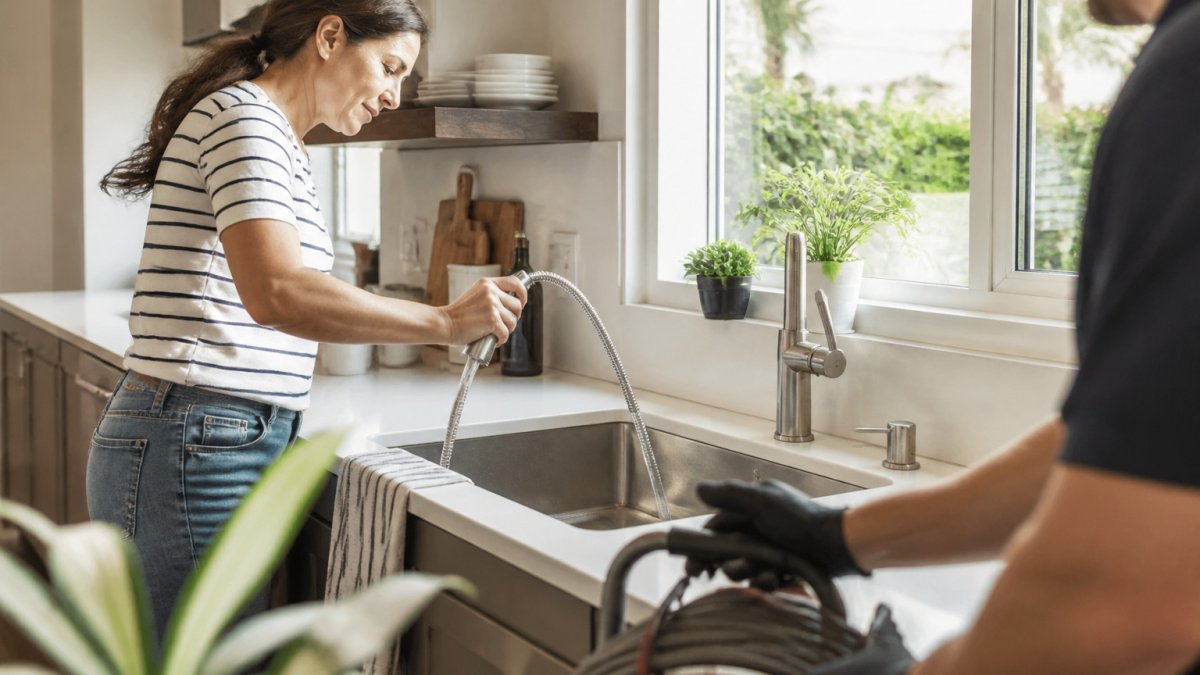
The main sewer line carries everything from the house to the city or septic system. Because problems here are hard to see, a camera inspection is the best way to judge its condition. If the camera shows roots, grease, or sediment, schedule a cleaning. Many homeowners inspect the main line every one to two years, especially in older homes.
Signs a Drain Needs Professional Cleaning Right Away
Some situations should not wait for the next scheduled visit:
- Sewage backing up into the lowest drain in the house
- Several fixtures backing up at once
- Foul sewer odor that does not go away
- Standing water that will not drain at all
- A clog that returns within days of a home fix
These point to a blockage in the main line. Stop using water in the affected area and call a licensed plumber.
Booking Your Next Drain Cleaning With Alpha Rooter & Plumbing
Alpha Rooter & Plumbing (License #874454) provides 24/7 drain cleaning and sewer service across the Los Angeles area, with upfront pricing and no hidden fees. If you notice any of the warning signs above, book a drain cleaning visit or get a sewer line inspection to check your system before a small problem becomes an emergency.
Frequently Asked Questions
How often should household drains be professionally cleaned?
Most households do well with professional drain cleaning every one to two years, but the right interval depends on conditions. Homes with heavy cooking, grease, a large household, hard water or older pipes often need service yearly. Homes with light use and newer plumbing may go longer between cleanings. A plumber can inspect your lines and recommend a schedule that matches how your drains actually perform.
Can you clean drains too often?
Routine cleaning is generally safe, but cleaning far more often than needed adds cost without much benefit. If drains run clear and show no slow draining, gurgling or odors, you do not need frequent service. Over-aggressive chemical use is a bigger risk, since harsh products can damage aging pipes. Ask your plumber whether a inspection or a lighter maintenance visit makes more sense.
Does regular drain cleaning prevent clogs?
Regular cleaning removes the grease, hair and mineral buildup that cause most recurring clogs, which reduces how often drains back up. It will not stop clogs caused by tree roots, pipe damage or a broken line, which require repair rather than cleaning. Pairing scheduled service with good daily habits, such as keeping grease out of sinks and using drain screens, gives the best results.
Reducing clogs between visits is easier when you know which habits cause them. Learn how to prevent recurring drain clogs to keep your drains flowing longer.
