
Last Updated: November 1, 2026
Quick Summary
Sewer line repair usually takes one to several days of active crew work, but calendar time is longer. A camera inspection takes one to two hours, and permits, utility marking, and liner curing can add days or weeks. Pipe length, depth, and access drive the total.
- A camera inspection usually takes one to two hours, including setup and footage review.
- Trenchless repair needs fewer excavation points than open-trench replacement.
- Liners need hours to a couple of days to cure before normal wastewater flow.
- Permits and utility marking can add several days to a few weeks before work starts.
- Ask contractors for crew time and calendar time separately, in writing.
Table of Contents
- How Long Sewer Line Repair Takes on Average
- Trenchless Sewer Repair Time Compared With Open Excavation
- Sewer Line Inspection Time and Diagnosis
- Sewer Repair Permit Timeline and How It Affects Your Schedule
- Sewer Line Replacement Timeline Stage by Stage
- What Causes Sewer Repair Schedule Overruns
- Booking a Project-Specific Estimate for Your Sewer Repair
- Frequently Asked Questions
How Long Sewer Line Repair Takes on Average
When a main sewer line fails, most homeowners want one answer first: how long will this take? At Alpha Rooter & Plumbing, we walk Los Angeles homeowners through the process every week, so we can give you a clear picture.
The total time for a residential sewer line repair depends on pipe length, depth, and access.
Calendar time is not the same as work time. Permits, utility marking, scheduling, and curing can add days or weeks before the system is back in full use. Plan around both numbers.
What drives the timeline:
- Pipe length: Longer runs need more digging or more liner.
- Pipe depth: Deeper lines take more excavation time.
- Pipe condition: Heavy root intrusion or collapse adds complexity.
- Access point: Driveways, patios, and landscaping slow the job.
- Method: Trenchless and traditional repairs move at very different speeds.
Watch out: A quote that promises a one-day replacement without a camera inspection may be guessing. Ask what the estimate is based on.
Trenchless Sewer Repair Time Compared With Open Excavation
The two main methods have very different timelines. Trenchless repair generally needs fewer holes in the yard than open excavation.
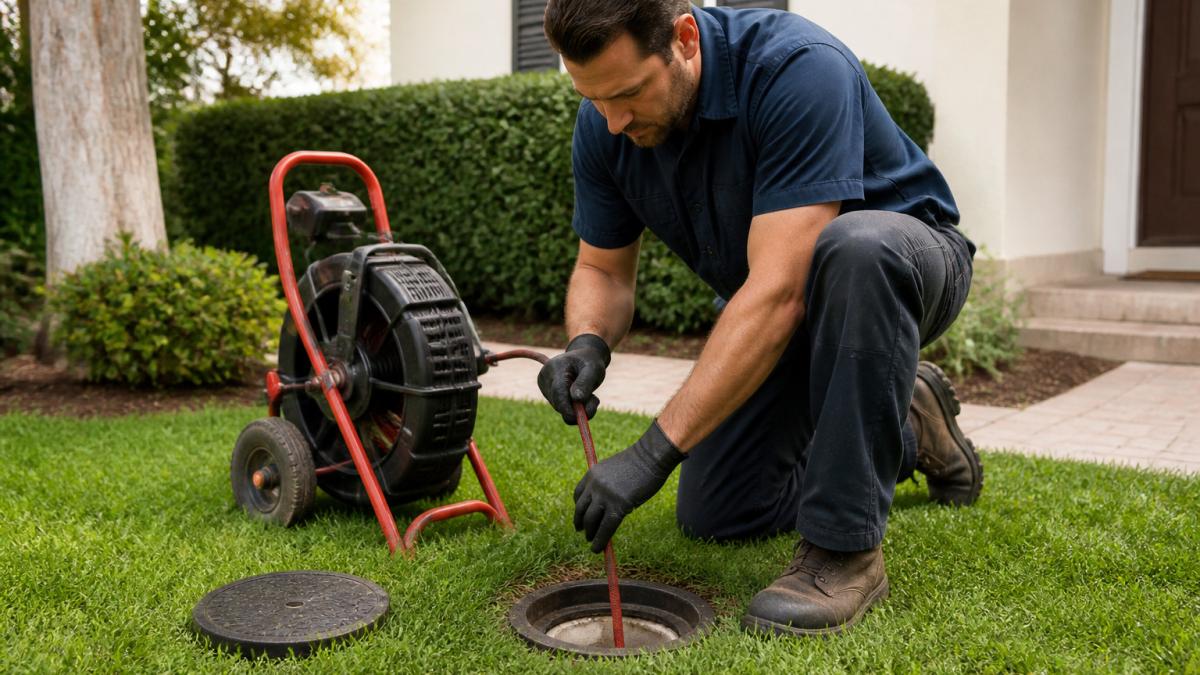
Trenchless methods include CIPP lining and pipe bursting. These methods involve inserting a liner or pulling a new pipe through the old path, and lined pipes need time to cure before wastewater flows normally.
Traditional open-trench replacement digs along the full route of the pipe, and backfill and site restoration come after the new pipe is set.
- Trenchless: Fewer excavation points, shorter crew time, curing adds hours or days
- Open excavation: More digging, more restoration, usually longer crew time
- Best fit: Trenchless works well for many older lines with limited access. Open excavation may suit very damaged or shallow pipe where access is easy.
Sewer Line Inspection Time and Diagnosis
Diagnosis comes first, and it takes less time than most people expect. A sewer camera inspection usually takes one to two hours, including setup and a review of the footage.
During the inspection, a technician feeds a camera through the cleanout to find cracks, offsets, root intrusion, corrosion, or bellies where water pools. The footage shows exactly where the damage sits, which helps set the repair method and the schedule.
Ask for these before work starts:
- A video or photo record of the problem areas
- The pipe location and depth at each damaged section
- A recommended repair method and written timeline
Sewer Repair Permit Timeline and How It Affects Your Schedule
Permit requirements can affect the project schedule, depending on the scope of work.
Ask your contractor to check permit requirements early, and whether the estimate includes permit fees and processing time.
Before digging, the work area should be marked so crews avoid underground utility lines (811 Before You Dig).
Sewer Line Replacement Timeline Stage by Stage
A full sewer line replacement involves several stages, and the calendar time you experience includes waits between them.
| Stage | Active crew time | Calendar time added |
|---|---|---|
| Inspection and diagnosis | 1-2 hours | Same day to a few days, depending on scheduling |
| Permits and utility marking | Little to none (office work) | Several days to a few weeks |
| Site preparation and access | Half a day to one day | Same day as crew arrival |
| Excavation or access creation | One to several days | Runs concurrently with crew work |
| Pipe repair, replacement, or lining | One to two days for many jobs | Runs concurrently with crew work |
| Curing (liners only) | None, passive | Hours to a couple of days |
| Testing and restoring service | A few hours | Same day as final crew visit |
| Backfill and site restoration | One to several days | May trail the repair by days or weeks |
Ask your contractor for both crew time and calendar time in writing.
What each stage actually involves:
- Inspection and diagnosis. A camera is fed through the cleanout to map cracks, offsets, root intrusion, corrosion, and bellies. The footage sets the repair method and the access plan, so a rushed inspection usually costs time later.
- Permits and utility marking. Work that touches the public right-of-way or requires plan review can sit in a queue. Utility marking, having gas, water, electric, and communication lines located before digging, is a separate call and a separate wait. Start both early.
- Site preparation and access. Crews set protection, stage equipment, and open the access points. Driveways, patios, and mature landscaping can turn a half-day into a full day.
- Excavation or access creation. Open-trench work digs along the full route; trenchless work opens only launch and retrieval pits. Depth and soil type drive this stage more than pipe length alone.
- Pipe repair, replacement, or lining. Spot repairs, pipe bursting, CIPP lining, and full replacement each have their own crew rhythm. This is usually the shortest stage relative to the digging around it.
- Curing. A liner must cure before wastewater flows normally. Curing is passive time, no crew on site, but it still counts against your calendar.
- Testing and restoring service. The crew verifies flow and confirms the connection before turning service back on. A few hours on the final visit.
- Backfill and site restoration. Soil goes back, compaction happens, and landscaping or driveway repair follows. Restoration can trail the repair by days or weeks depending on weather and materials.
When you compare bids, ask each contractor to fill in this table for your address. A bid that gives only one overall number is hiding the calendar time you will actually live with.
Crew work time and total project time are different numbers. Ask your contractor to break the timeline into these stages and to tell you which stages run concurrently and which run in sequence.
What Causes Sewer Repair Schedule Overruns
Schedule changes on sewer repairs can often be anticipated by asking the right questions before work begins.
Hidden damage found after digging starts. A camera sees the inside of the pipe, not the soil around it, so damage can appear only once excavation begins. Reduce the risk: ask how the contractor handles change orders if hidden damage is found.
Permit delays. Approvals can take time when paperwork is incomplete or review is required. Reduce the risk: confirm early whether a permit is required, who files it, and whether the estimate includes permit fees and processing time.
Utility marking. Before digging, underground utility lines should be located and marked. Reduce the risk: request marking as early as possible once the project is scheduled.
Difficult access. Fences, decks, driveways, patios, and mature trees can block equipment. Reduce the risk: walk the route with the contractor during the estimate and ask which access points they plan to use and what will be disturbed.
Soil and groundwater conditions. Rock, heavy clay, and high groundwater can affect excavation. Reduce the risk: ask whether the contractor has worked in your soil type and how they handle rock or groundwater encounters.
Weather. Rain can delay outdoor work. Reduce the risk: build a weather buffer into your expectations for any outdoor stage, and ask how the contractor communicates weather delays.
Restoration work. Driveway, sidewalk, or landscaping repair may follow the sewer work. Reduce the risk: confirm in writing what restoration is included and what is excluded.
Contractor availability and materials. Scheduling and material availability can affect start dates. Reduce the risk: ask for the crew’s start date and the lead time on any specialty materials before you sign.
A common mistake is treating the first estimate as final. Ask what would change the timeline, how the contractor will notify you, and whether change orders are priced in advance. The answer tells you more about the project than the headline duration.
When comparing contractors, look for clear answers on risks such as hidden damage, permits, and weather, and for change-order terms in writing.
Booking a Project-Specific Estimate for Your Sewer Repair
A project-specific estimate can account for your pipe length, depth, access, and damage.
Here is what to request from a provider:
- A camera inspection with a written report
- A recommended repair method, trenchless or open excavation
- A stage-by-stage timeline showing crew time and calendar time
- A note on permit requirements and who handles them
- Clear pricing with no hidden fees, plus the response time you can expect
Alpha Rooter & Plumbing offers 24/7 emergency service with a response time under 90 minutes, and our licensed team can provide a project-specific estimate for your sewer line. Call now to schedule your inspection.
For a step-by-step look at the inspection process, see our what happens during sewer inspection guide, and to check the problem yourself first, read how to diagnose sewer line issues.
U.S. Environmental Protection Agency guidance on sewer systems
Frequently Asked Questions
How long does sewer line repair usually take?
Total calendar time for a sewer line repair can be longer than the crew time, because permits, inspections, and curing time for lining materials are added on top of the work itself. Ask your provider for a stage-by-stage estimate that separates crew hours from calendar days.
Is trenchless sewer repair faster than digging up the line?
Trenchless methods such as cured-in-place pipe lining or pipe bursting avoid large trenches. Lining requires curing time before the line can be used normally, and the pipe must be in condition suitable for lining. Traditional excavation may be the better approach when the pipe is collapsed or severely offset.
Do permits make sewer line repairs take longer?
They can. Permit requirements vary, and inspections may need to be scheduled, which can add time to the overall schedule. Confirm the permit status before the work begins.
How long does a sewer line inspection take?
A camera inspection helps identify the problem, and the findings help determine whether trenchless repair or excavation is the right approach. Scheduling the inspection early can help you plan the repair sooner.
