
Quick Summary
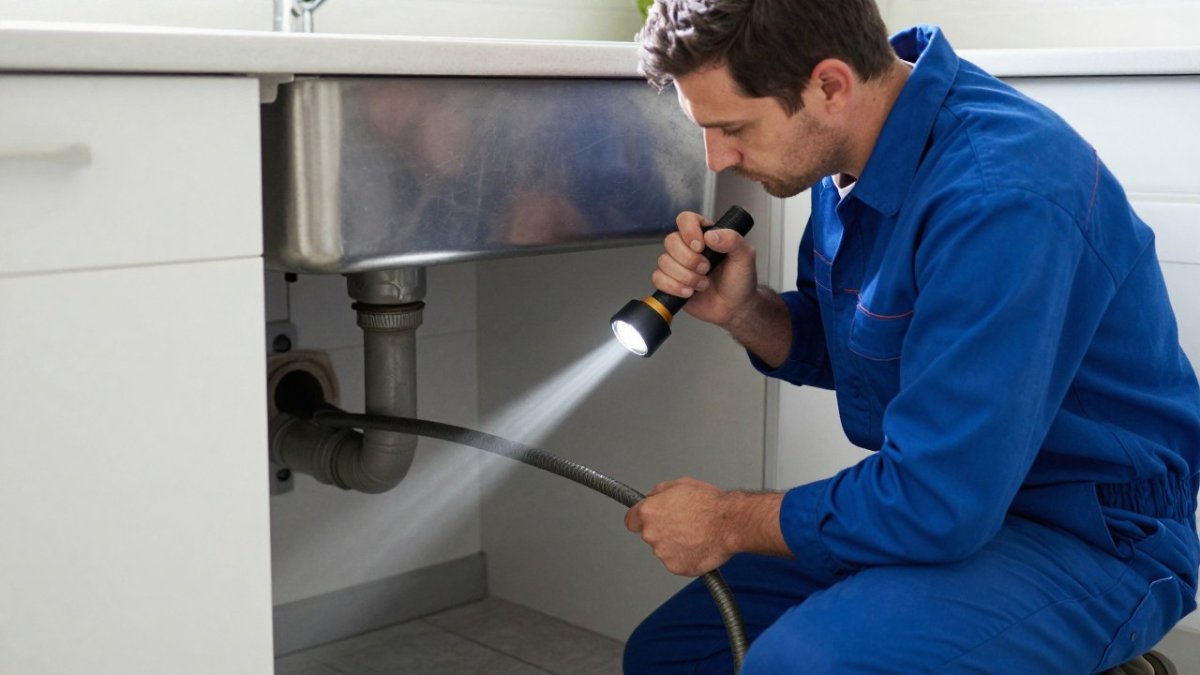
To clear grease clogs from kitchen pipes, start with a hot water and dish soap flush, since dish soap cuts grease. If the drain stays slow, use a plunger or a hand-crank drain snake to break up or pull out the blockage. Call a licensed plumber if the clog keeps returning or water backs up into several fixtures.
- Squeeze a generous amount of dish soap into the drain before pouring hot water.
- Boil a large pot of water and let it cool about one minute before pouring it slowly.
- Use a cup-style plunger over water covering the cup, pumping 15 to 20 times.
- Never mix chemical drain cleaners, and never mix bleach with an acid-based cleaner.
- Call a plumber if the clog returns within a few days or backs up multiple fixtures.
Table of Contents
- Why Grease Clogs Form in Kitchen Pipes
- Signs of a Grease-Related Drain Blockage
- How to Clear Grease Clogs from Kitchen Pipes Without Chemicals
- How to Dissolve Grease in Pipes Naturally
- Does Vinegar Dissolve Grease in Pipes?
- How to Clean Grease from a Kitchen Drain Pipe Step by Step
- When to Stop DIY and Call a Licensed Plumber
- Frequently Asked Questions
Why Grease Clogs Form in Kitchen Pipes
Last Updated: November 23, 2026
Grease clogs are among the most common reasons a kitchen sink starts to drain slowly. Grease clogs are a frequent cause of slow drains in both homes and restaurants. Fats, oils, and grease, often called FOG, pour down the drain while they’re still warm and liquid (the EPA). Then they cool, harden, and stick to the inside of the pipe.
Here’s the problem. Grease doesn’t dissolve in cold water. It sticks to pipe walls and traps food scraps, soap residue, and other debris. Over time, that buildup narrows the pipe until water can barely get through.
Most grease clogs form in the same few places:
- The P-trap, the curved section under the sink that holds water
- The horizontal drain line that runs from the sink to the main sewer line
- The pipe walls, where a thin film of grease builds up slowly over months
A common mistake is assuming hot water from the tap will melt the buildup away. It usually won’t. Tap water rarely gets hot enough, and the grease simply moves a few inches down the pipe before hardening again.
Signs of a Grease-Related Drain Blockage
Grease clogs usually give warning signs before the sink stops draining completely. Catching them early makes the problem much easier to fix.
Watch for these signs:
- Water drains slower than it used to, especially after cooking
- A greasy or rancid smell comes up from the drain
- Standing water sits in the sink for several minutes
- Gurgling sounds when water drains from another fixture
- Water backs up when the dishwasher runs
If you see more than one of these, the clog is likely forming deeper in the line. Don’t wait for it to get worse.
How to Clear Grease Clogs from Kitchen Pipes Without Chemicals
You can often clear a grease clog with simple tools and a little patience. Start with the least invasive method and move on only if it doesn’t work.
Hot Water and Dish Soap Flush
This method works best for early-stage clogs that are only starting to slow the drain.
- Remove any standing water from the sink as much as you can.
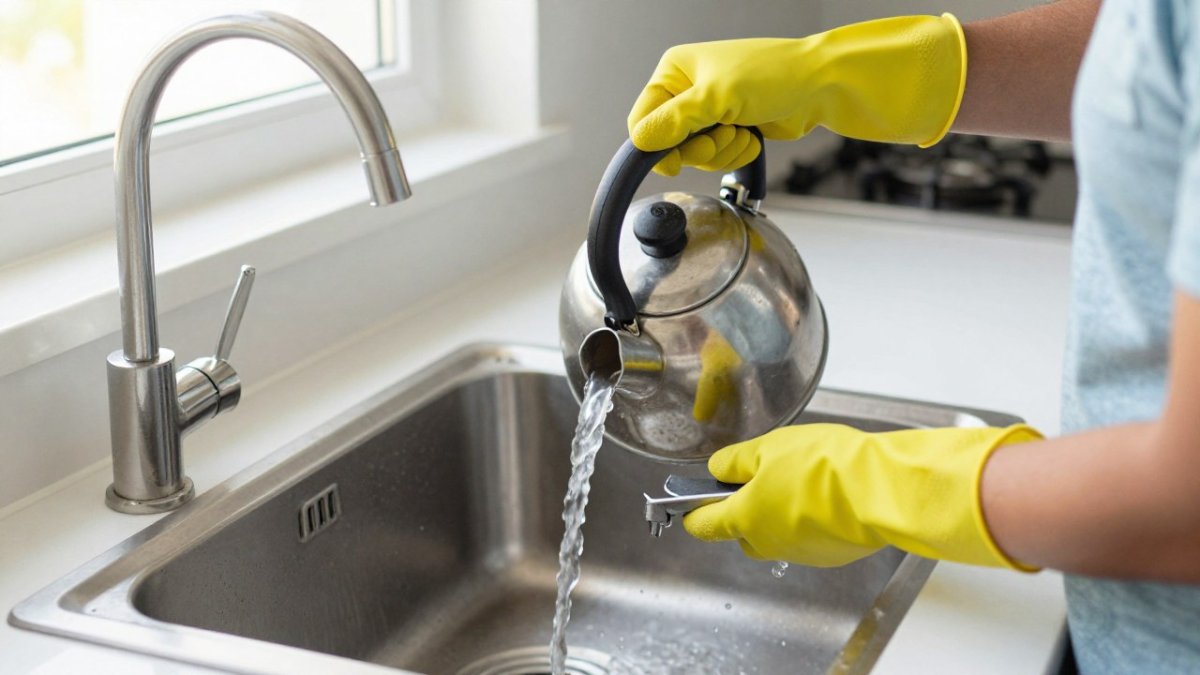
- Squeeze a generous amount of dish soap into the drain. Dish soap is designed to cut grease.
- Boil a large pot of water. Let it cool for about one minute so it doesn’t crack the pipe.
- Pour the hot water slowly down the drain in two or three batches.
- Run cold tap water for a minute to clear what’s left.
Hot water works because it softens the grease while the soap helps lift it off the pipe walls. Pouring it slowly gives the water time to work on the clog instead of rushing past it.
Mechanical Removal with a Plunger or Drain Snake
If the flush doesn’t clear the clog, a mechanical tool usually will.
- Plunger: Use a cup-style plunger over a sink filled with enough water to cover the cup. Pump firmly 15 to 20 times, then check the drain.
- Hand-crank drain snake: Feed the snake slowly into the drain until you feel resistance. Turn the handle to break up or pull out the clog.
Watch out: Don’t use a plunger on a double sink without blocking the second drain. Otherwise you’ll push air and water into the wrong place and waste your effort.
The table below compares the home methods covered in the article so you can pick the right starting point for your clog.
| Method | Best for | Key difference |
|---|---|---|
| Hot water and dish soap | Early-stage clogs | Acts in minutes; soap cuts grease |
| Plunger | Partial blockages | Needs enough water to cover the cup |
| Hand-crank drain snake | Full blockages | Breaks up or pulls out the clog |
| Baking soda and boiling water | Odor and light film | Maintenance only; about 15 minutes |
| Enzymatic drain opener | Recurring slow drains | Works over 12 to 24 hours |
How to Dissolve Grease in Pipes Naturally
Many people want a gentler option than harsh drain cleaners. Baking soda and boiling water are common natural choices for light buildup. They are unlikely to clear a heavy clog on their own.
To try this method, pour half a cup of baking soda down the drain. Follow it with a cup of boiling water. Wait about 15 minutes, then flush with hot tap water.
Repeat this every few weeks as preventive maintenance. It’s a reasonable way to keep light grease from building up. It is not a fix for a fully blocked pipe.
Here is why the method behaves the way it does. Baking soda is a mild alkaline salt. Grease is a mix of fats that are not water-soluble, and a mild alkali alone does not saponify them fast enough to matter in a drain. The boiling water does most of the work by softening the grease so it can be pushed along, and the baking soda mainly helps lift surface film and neutralize odors. That is why the method is best thought of as maintenance, not a cure.
Enzymatic drain openers are the natural-adjacent option that actually targets grease. These products contain lipase enzymes that break the ester bonds in fats, plus bacteria that consume the breakdown products. They work slowly, often over 12 to 24 hours, and they need standing water in the drain to stay active. They are a good fit for slow drains and recurring film, not for a fully blocked pipe. Read the label for the active ingredients and follow the dwell time; cutting it short is the most common reason people conclude enzymes “don’t work.”
Watch out: Never combine an enzymatic product with a chemical drain cleaner, and never mix bleach with an acid-based cleaner. The reactions can release toxic gas. If you have already poured a chemical cleaner down the drain, do not add another product until you have flushed the line thoroughly with water.
A quick comparison helps set expectations. Hot water and dish soap act in minutes and are best for early-stage clogs. Baking soda and boiling water act in about 15 minutes and are best for odor and light film. Enzymatic openers act over half a day to a day and are best for recurring slow drains. None of them replace mechanical removal once the pipe is actually blocked.
Does Vinegar Dissolve Grease in Pipes?
Vinegar is a popular suggestion, but it does not dissolve grease well. It reacts with baking soda to produce foam, and that fizzing can loosen minor debris. Vinegar alone has little effect on solid grease.
The baking soda and vinegar combination is mostly a cleaning step for the drain’s surface, not a grease solvent. If the goal is to break down grease, the hot water and dish soap method is more reliable.
How to Clean Grease from a Kitchen Drain Pipe Step by Step
Here is a complete routine you can follow when the clog is still light enough to handle at home.
- Clear the sink. Remove stoppers, strainers, and any loose food.
- Use hot water and dish soap. Follow the flush method described above.
- Try the plunger. Pump firmly to loosen the clog.
- Snake the drain. Feed the tool in slowly and rotate it to break the blockage apart.
- Flush with hot water. Run hot water for several minutes to clear loosened debris.
- Test the drain. Run water at normal volume to confirm it drains fully.
Wear rubber gloves and eye protection for every step. Never mix drain cleaners that contain different active chemicals, since the reaction can release harmful fumes.
When to Stop DIY and Call a Licensed Plumber
Some clogs need professional help. Call a licensed plumber if you notice any of these:
- The clog returns within a few days of clearing it
- Water is backing up into more than one fixture
- The problem affects a shower, toilet, or floor drain at the same time
- You’ve tried the methods above without success
- You smell sewage, not just grease
Water backing up into multiple fixtures usually points to a main sewer line problem, which is well beyond a home fix. Alpha Rooter & Plumbing offers 24/7 emergency plumbing service in the Los Angeles area, with licensed plumbers and upfront pricing. Contact the company directly for current rates or a quote. You can also review professional drain cleaning services cost before booking.
If you want to understand the difference between cleaning methods before you call, read our guide on hydro jetting versus snaking to see which fits your drain.
Frequently Asked Questions
What dissolves grease in plumbing pipes?
Hot water flushes and dish soap can loosen fresh grease, and enzymatic drain cleaners break down organic buildup over time. Caustic drain cleaners dissolve grease quickly but can damage some pipe materials and cause burns, so they should be used with caution and never mixed with other chemicals. For heavy, hardened grease, mechanical removal with a drain snake is usually the most reliable option. If you have older cast iron or corroded pipes, avoid strong chemicals and call a licensed plumber for an inspection.
Does vinegar dissolve grease in pipes?
Vinegar is mildly acidic and can cut through a small amount of fresh grease, but it does not reliably dissolve the congealed fat that builds up inside drain pipes. Baking soda and vinegar produce fizzing that looks effective but rarely clears a grease clog. Using vinegar alone is unlikely to fix a slow drain caused by grease. Hot water, dish soap, or mechanical clearing are more dependable first steps when you need to clear grease clogs from kitchen pipes.
Is it safe to pour boiling water down a kitchen drain?
Boiling water can help melt fresh grease, but it is not safe for every system. Avoid pouring boiling water into PVC pipes that are old or joined with solvent cement, since extreme heat can soften joints and cause leaks. Use hot tap water instead, pour slowly, and stop if the water backs up. If the drain is already sluggish, a large volume of boiling water can push the clog further down the line rather than clearing it.
When should you call a plumber for a grease clog?
Call a licensed plumber if plunging and hot water do not clear the drain, if multiple fixtures back up at once, or if you notice gurgling sounds or sewage odors. These signs can point to a blockage in the main sewer line rather than the kitchen sink trap. Restaurants and multi-unit buildings should schedule regular grease trap cleaning rather than waiting for a backup. Alpha Rooter & Plumbing offers 24/7 service with upfront pricing, so contact them directly for current rates or a quote.
