
Last Updated: November 12, 2026
Quick Summary
Hydro jetting is better for grease, sludge, and buildup along the whole pipe, while sewer snaking is better for a single localized clog such as hair or paper. Snaking opens a path through a blockage, but jetting cleans the full pipe wall. Because jetting can damage fragile pipes, a camera inspection first is a good habit.
- Snaking uses a flexible steel cable with a cutting head to clear a localized blockage.
- Hydro jetting uses high-pressure water from a rotating nozzle to clean the full pipe wall.
- Snaking often leaves grease and scale stuck to pipe walls, so drains can slow again within weeks.
- Recurring backups over weeks or months suggest buildup, which points toward jetting rather than snaking.
- Pressure can widen existing cracks in fragile pipes, so inspect before jetting older cast iron lines.
Table of Contents
- Hydro Jetting vs. Sewer Snaking: The Core Difference
- How Each Method Handles Grease, Sludge, Scale, and Roots
- Hydro Jetting and Sewer Snaking Cost: What Drives the Price
- Will Hydro Jetting Damage Pipes? Inspect Before You Blast
- Hydrojetting Old Pipes: Corrosion, Cast Iron, and Risk
- How Long Does Hydro Jetting Take, and What Happens During a Visit?
- Which Method to Choose: A Decision Guide for Your Drain
- Frequently Asked Questions
Hydro Jetting vs. Sewer Snaking: The Core Difference
Hydro jetting is a drain-cleaning method that uses high-pressure water to scour the inside of a pipe, while sewer snaking uses a mechanical cable to punch through or hook out a blockage. Homeowners reach for both methods, often without knowing which one fits their problem. The choice matters because the two methods clean very differently. Snaking opens a path through a clog. Jetting cleans the full pipe wall.
What hydro jetting is and how it works
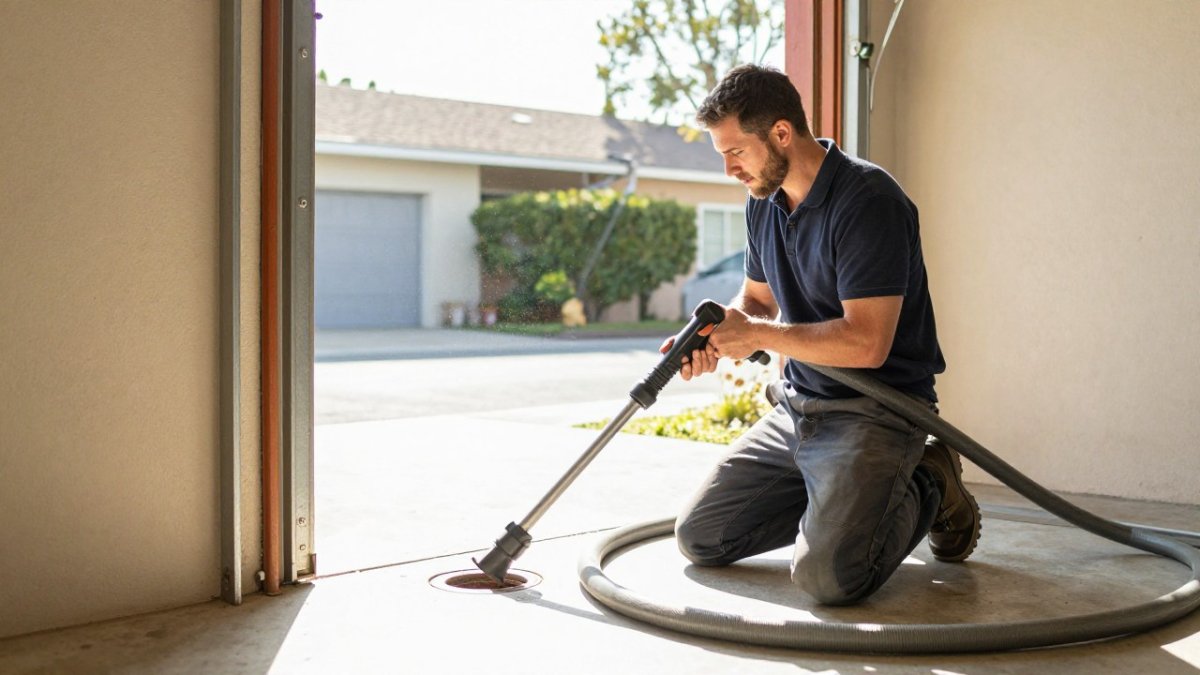
Hydro jetting pushes a hose fitted with a rotating nozzle into the drain line. The nozzle sends water out at high pressure, which breaks up grease, sludge, and debris and flushes them down the line. Because the water hits the entire pipe wall, the method removes buildup along the whole run, not just at the blockage.
What sewer snaking is and how it works
Sewer snaking, also called drain snaking or auger work, feeds a flexible steel cable into the pipe. A cutting head at the tip chews through the clog or hooks onto it so the plumber can pull it out. Snaking is often faster and less expensive for a single, localized blockage such as hair or a wad of paper.
The limitation is that a snake clears a channel. It often leaves grease and scale stuck to the pipe walls, so the drain may slow down again within weeks.
The two methods clean very differently, and the contrast is easiest to scan side by side.
| Method | How it works | What it clears |
|---|---|---|
| Hydro jetting | High-pressure water from a rotating nozzle | Grease, sludge, debris along the full pipe wall |
| Sewer snaking | Flexible steel cable with a cutting head | A localized blockage, opening a path through it |
| Hydro jetting | Cleans the full run, not just the blockage | Buildup along the whole line |
| Sewer snaking | Often faster and less expensive for one clog | Hair or paper wads at a single spot |
How Each Method Handles Grease, Sludge, Scale, and Roots
Grease and sludge respond best to jetting. The water stream lifts sticky layers off the pipe wall, which snaking usually cannot do. Scale and mineral deposits follow the same pattern.
Tree roots are more complicated. Jetting can cut through fine roots that have grown into a joint, but heavy root intrusion often needs a cutting head or a repair. If roots have infiltrated the pipe, a plumber should inspect the line before deciding on a method.
Hydro Jetting and Sewer Snaking Cost: What Drives the Price
Most homeowners want a number before they book, and the honest answer is that neither method has a single list price. To compare current pricing, see the hydro jetting service cost guide. What changes the quote is fairly consistent, though, and knowing the factors lets you compare bids apples to apples instead of guessing why one company quoted half of another.
The factors that move the price
- Line length and location. A short branch drain off a kitchen sink is a different job from a main sewer line running under a slab or out to the street. More feet of cable or hose, more time, and more setup all raise the price.
- Access point. A clean-out near the fixture is quick to use. If the only access is a roof vent, a crawlspace, or a floor drain that has to be opened, the labor goes up before any cleaning starts.
- Severity and cause of the blockage. A wad of paper or hair clears fast. Grease packed along a long run, heavy scale, or root intrusion takes longer and may need a cutting head or multiple passes.
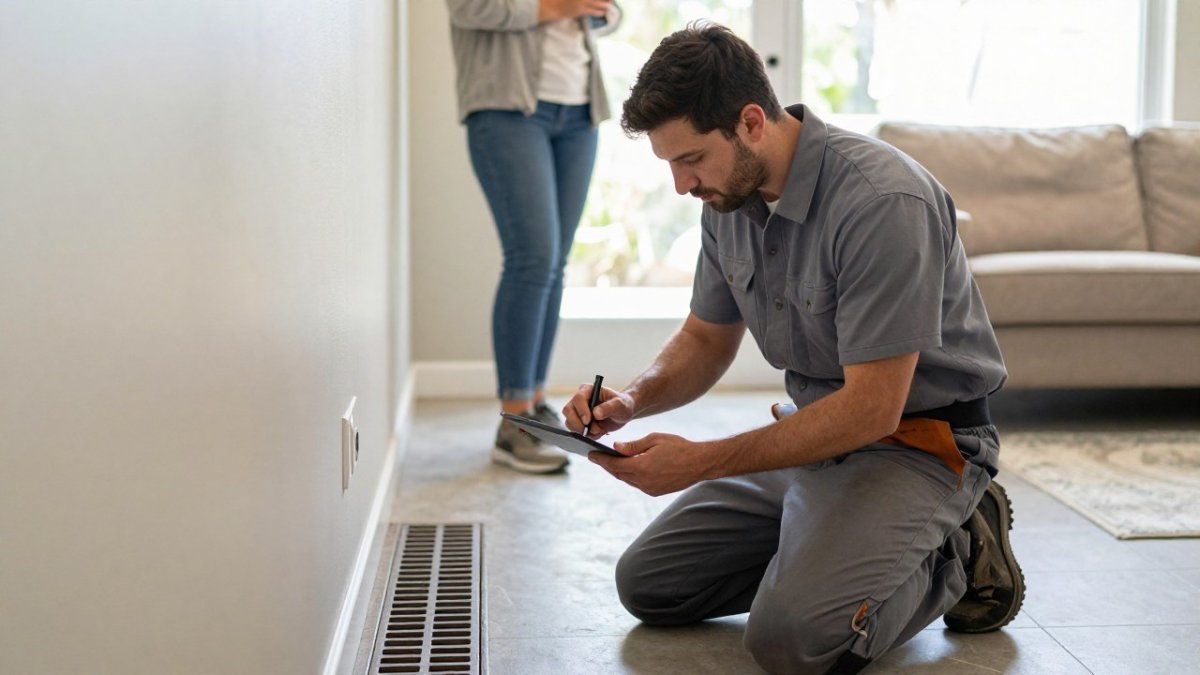
- Camera inspection. An inspection is often a separate line item. It adds cost upfront but frequently saves money by revealing a collapsed line, offset joint, or root mass that would make either method a waste of effort.
- Local labor rates and after-hours timing. Emergency and weekend calls may carry a premium over scheduled weekday work.
One-time clearing versus maintenance
A snaking call is usually priced as a one-time clearing: get the water moving and go. Jetting is sometimes priced the same way, but because it cleans the full pipe wall, some companies offer it as part of a maintenance plan for lines with chronic grease or scale. Ask which you are buying. A cheap clearing that recurs every few months can cost more over a year than a single thorough cleaning, and a maintenance plan only makes sense if the underlying cause is buildup rather than a broken pipe.
How to compare two quotes
Ask each company what is included: Is the inspection separate? Is the price for one pass or until flow is restored? Is there a trip charge? Does the quote cover disposal of the debris and cleanup? A quote that lists these separately is easier to compare than a single number with no breakdown.
Watch out: a quote that is dramatically lower than the others may exclude the inspection or assume a simple clog. If the line turns out to be root-filled or scaled, the final bill can climb past the original estimate.
Will Hydro Jetting Damage Pipes? Inspect Before You Blast
Jetting can damage pipes that are already cracked, corroded, or fragile. The pressure that clears grease can also widen an existing crack or dislodge a loose joint. For this reason, a camera inspection before jetting is a good habit, not an extra step. To see what the inspection involves, read the step-by-step sewer inspection guide.
Snaking carries its own risk. An aggressive cutting head can scratch or gouge older pipe walls. Inspection helps your plumber choose the safer tool.
Hydrojetting Old Pipes: Corrosion, Cast Iron, and Risk
Older homes often have cast iron or galvanized steel drain lines. Over decades, these pipes corrode from the inside, and the surface becomes rough and thin. You can learn the signs of corroded cast iron pipes before deciding whether jetting is safe. Hydro jetting can strip away loose corrosion, but it may also expose weak spots.
If your home has cast iron pipes that back up repeatedly, have a plumber inspect the condition first. In some cases, repair or replacement is a safer long-term choice than repeated jetting.
How Long Does Hydro Jetting Take, and What Happens During a Visit?
Visit length depends on line length and buildup, and a plumber can estimate the timeline after an initial assessment of your drain. For typical timing on main line work, see how long main sewer line cleaning takes.
Which Method to Choose: A Decision Guide for Your Drain
Rather than crowning a winner, match the method to what you can actually observe. If you have decided jetting fits your problem, you can see the hydro jetting service and how to book it. The clues below point toward one approach, the other, or a stop-and-inspect decision.
Start with the symptom
- One fixture is slow or backed up, and it started recently. A single sink, tub, or toilet with a fresh clog is the classic snaking case. Hair, soap, paper, or food scraps sit in the trap or the branch drain, and a cable clears them quickly.
- Several fixtures drain slowly at once, or water backs up in the lowest drain when you run something upstairs. That pattern points to the main line, not a single fixture. Jetting is usually the better fit because it cleans the full run rather than punching one hole through the blockage.
- The same drain keeps backing up every few weeks or months. Recurring clogs mean buildup is regrowing on the pipe wall, or something structural is catching debris. Snaking will keep opening a channel; jetting addresses the buildup. If it still returns after a thorough cleaning, the line needs inspection, not another clearing.
- Grease, sludge, or a kitchen drain that gurgles. Jetting lifts sticky layers that a cable slides past. This is the clearest case for water over steel.
- Gurgling, sulfur smells, or slow drainage across the whole house. These can signal a partial main-line blockage or a venting problem. Inspect before choosing a method.
Then factor in the pipe
Pipe material and condition decide whether high-pressure water is safe. Older cast iron, galvanized steel, clay, and Orangeburg lines can be thin, cracked, or root-invaded, and pressure that is fine on modern plastic can widen a crack or dislodge a joint on a fragile line. If you do not know what your line is made of or when it was last inspected, a camera inspection before jetting is the safer sequence. Snaking is gentler on the pipe wall but can still scratch or gouge an already-rough interior with an aggressive head.
Know when neither method is the answer
Some problems are not cleaning problems. A collapsed section, a significant offset joint, a bellied line holding water, or heavy root intrusion that has deformed the pipe will not be fixed by snaking or jetting, both will restore flow briefly and fail again. If a plumber jets or snakes the line and the camera still shows a structural defect, the next conversation is about repair or replacement, not another cleaning.
A simple sequence that works
- Identify whether the problem is one fixture or the whole house.
- Note whether it is a first-time clog or a repeat.
- If it is a repeat, a main-line symptom, or an older pipe, inspect before cleaning.
- Choose snaking for a simple localized clog, jetting for buildup and full-pipe cleaning, and repair for structural damage.
That order keeps you from paying for a cleaning that was never going to solve the problem.
Frequently Asked Questions
Is hydro jetting better than snaking?
Hydro jetting is generally better for removing grease, sludge, scale, and buildup along the full length of a pipe, while snaking is usually faster and less expensive for simple clogs that just need an opening cleared. Hydro jetting is better when the drain clogs repeatedly or when buildup lines the walls. Snaking may be enough for a single hair or debris blockage. A plumber can inspect the line with a camera to recommend the right method for your pipe condition.
Will hydro jetting damage pipes?
Hydro jetting can damage pipes that are already cracked, severely corroded, or have failing joints, because the high-pressure water can widen a weak spot or cause a break. Healthy pipes in good condition are typically safe. Before any jetting service, ask for a camera inspection to identify the pipe material, check for damage, and confirm the line can handle the pressure.
How much does it cost to hydrojet a sewer line?
Pricing depends on the length of the line, the severity of the blockage, access points, and whether a camera inspection is needed. Because pricing varies, request a written quote before work begins. Alpha Rooter & Plumbing offers upfront pricing with no hidden fees and no hourly or overtime charges. Visit alpharooter.com or call the office for current pricing and a quote specific to your property.
How long does hydro jetting a sewer line take?
Visit length depends on the line length, the amount of buildup, and how many clogs are present. Heavy scale or root intrusion can extend the visit. Snaking a simple clog often takes less time. Your plumber can estimate the timeline after an initial assessment of your drain.
