
Table of Contents
- 8 Signs of Corroded Cast Iron Pipes
- How to Inspect Sewer Lines for Corrosion
- Understanding Cast Iron Pipe Lifespan
- Cost to Replace Cast Iron Pipes
- Preventative Maintenance for Aging Pipes
- Regional Soil and Water Chemistry Impact
- What to Do When You Find Corroded Cast Iron Pipes
- Conclusion
Last Updated: August 18, 2026
8 Signs of Corroded Cast Iron Pipes
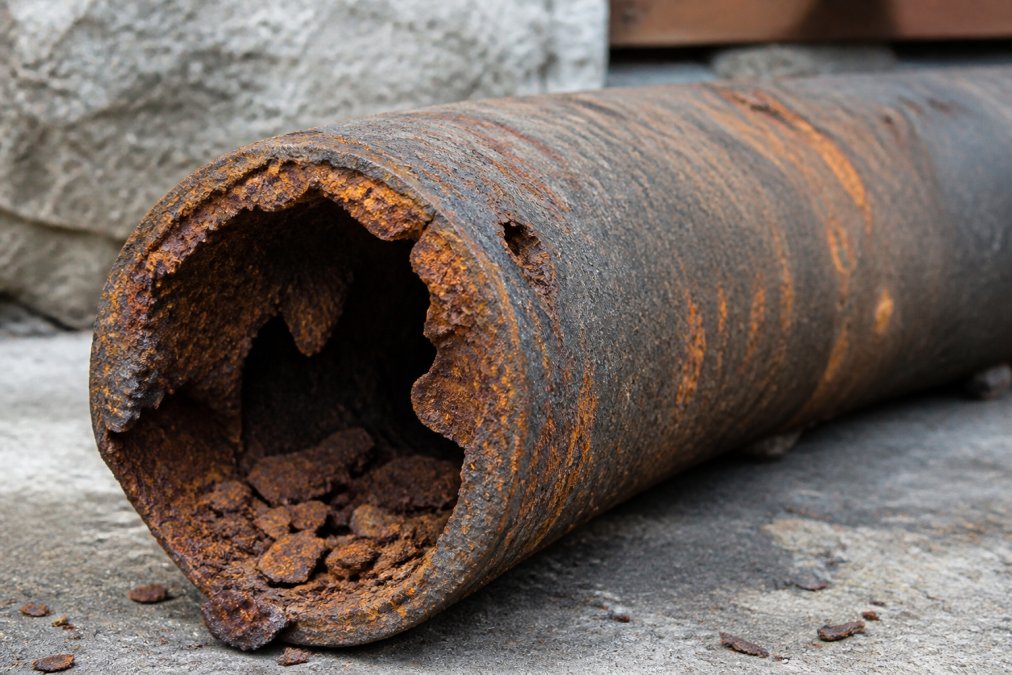
Corroded cast iron pipes are a common problem in older properties. Cast iron was the standard for plumbing and sewer lines for decades, but deteriorates over time through internal corrosion and oxidation. Recognizing early warning signs can save thousands in emergency repairs and help you plan for replacement before catastrophic failure.
At Alpha Rooter & Plumbing, we respond to corroded pipe emergencies regularly in older neighborhoods. The signs below are what we see most often when we arrive at a home experiencing drainage or sewage issues.
1. Discolored or Rusty Water
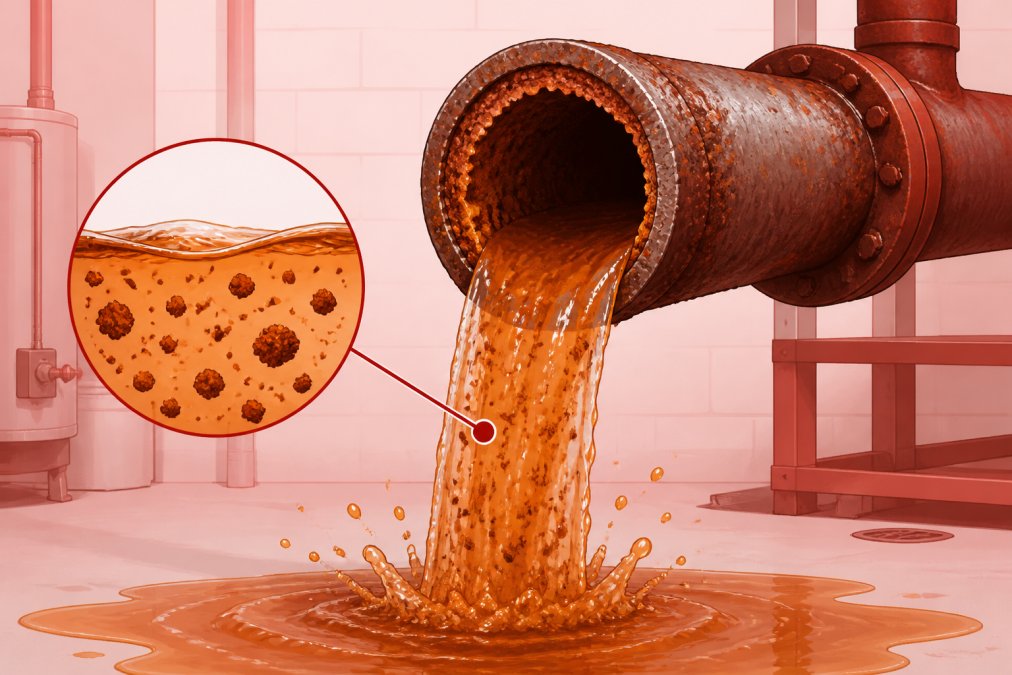
Brown or yellow water from your faucet indicates internal corrosion. Cast iron pipes develop rust particles as the metal oxidizes, which travel through your plumbing system and appear in your water supply, particularly when water pressure changes or after non-use. This discoloration signals that the pipe wall thickness is compromised and the material is actively breaking down.
2. Slow Drains and Recurring Clogs
Sediment buildup inside corroded pipes creates partial blockages that slow drainage. Corrosion flakes combine with hair, soap residue, and debris to form stubborn clogs. Unlike a single blockage you can clear with a plunger, corroded pipes develop recurring problems because the underlying cause is the pipe itself. The rough interior surface traps material and restricts flow, so clogs return within days or weeks of clearing them.
3. Foul Odors and Sewer Gas
Sewer gas and foul odors from drains, basements, or around your foundation indicate a breach in the sewer line. Corroded cast iron pipes develop cracks and holes that allow sewer gases to escape into your home and yard. Sewer gas contains methane and hydrogen sulfide, which are hazardous. Persistent odors suggest active sewer pipe deterioration requiring professional inspection.
4. Visible Rust Stains on Fixtures and Walls
Orange or brown staining on bathroom and kitchen fixtures indicates rust from corroded pipes. You’ll see these stains accumulate around sink drains and tub fixtures. Inside walls, rust stains may appear on drywall or concrete, especially in basements near plumbing runs. Heavy or spreading stains indicate active, advancing corrosion.
5. Cracks in Foundation or Driveway
A corroded sewer line that leaks allows waste water to escape into the soil around your foundation, softening the earth and causing settling and structural stress. You may notice cracks in the foundation, basement walls, or driveway, especially if they appear suddenly or worsen over time. Foundation cracks combined with drainage problems are a red flag for sewer line failure.
6. Mold and Mildew Growth
Excess moisture from leaking corroded pipes creates ideal conditions for mold and mildew in basements and crawl spaces. The moisture comes from waste water seeping through cracks in the sewer line or from condensation around deteriorating pipes. If you’re seeing mold growth near plumbing, have a professional inspect the pipes.
7. Drip Spots and Pinhole Leaks
Small water spots or drips on basement ceilings or walls indicate pinhole leaks in corroded pipes running overhead. Cast iron pipes develop small holes as corrosion advances through the pipe wall. These leaks may start small but grow over time, and if you see one, others are likely developing.
8. Water Backup or Sewage Odors
Water backing up into your basement, slow toilet flushing, or sewage smells in the yard indicate a blocked or collapsed sewer line. Corroded pipes restrict flow, causing waste water to back up into your home. This is an emergency situation requiring immediate professional attention.
How to Inspect Sewer Lines for Corrosion
Understanding your sewer line and plumbing system condition requires proper inspection. Two approaches exist: visual assessment and professional camera inspection.
DIY Visual Inspection Methods
You can perform a basic visual inspection of accessible plumbing to look for obvious corrosion signs. Check basement and crawl spaces for rust stains, water spots, mineral deposits, or visible cracks. Listen for unusual sounds when turning on water fixtures. Check outdoor areas near the foundation and sewer cleanout access points for wet spots, sunken areas, or unusually lush grass patches indicating a leaking sewer line.
However, visual inspection has limits. You cannot see inside the pipe, and many corroded cast iron pipes look normal from the outside while severely deteriorated inside.
Professional Sewer Camera Inspection
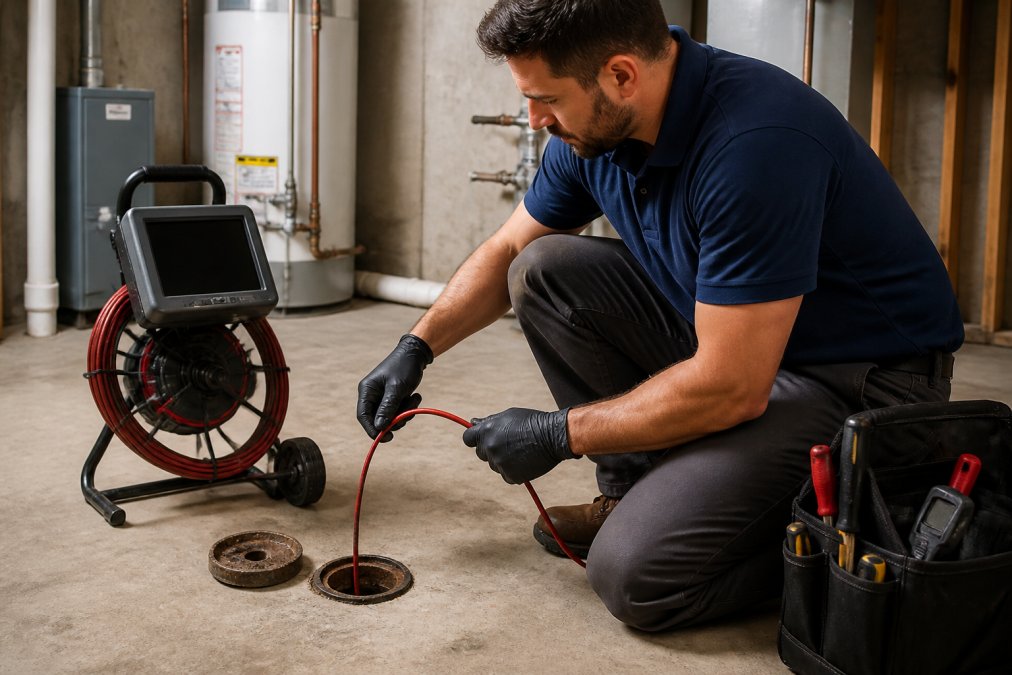
A sewer camera inspection uses a small, waterproof camera attached to a flexible cable that travels through your pipes, transmitting live video to a monitor. This is the gold standard for diagnosing corroded cast iron pipes. The technician can identify corrosion severity, sediment accumulation, cracks, root intrusion, and structural integrity issues. The video is recorded, giving you a permanent record of the pipe’s condition.
Professional inspection typically costs less than emergency repair and provides certainty about actual pipe condition. Alpha Rooter & Plumbing uses advanced sewer camera equipment to diagnose plumbing and sewer issues accurately and quickly.
Understanding Cast Iron Pipe Lifespan
Cast iron pipe lifespan depends on water chemistry, soil conditions, installation quality, and maintenance history. Typically, cast iron plumbing lasts 50 to 100 years, while cast iron sewer lines may last 75 to 100 years. However, these timelines are not guarantees; pipes can fail much earlier in harsh conditions or last longer in ideal environments.
Interior corrosion begins within the first decade but often remains unnoticed until the 40 to 60-year mark, when symptoms become apparent. By the time you see discolored water or slow drains, the pipe wall thickness has already decreased significantly. Homes built in the 1950s and earlier frequently experience corroded cast iron pipe problems today.
Acidic soils, high-chloride water, or soft water with low mineral content accelerate corrosion. Once corrosion begins, it progresses continuously. There is no way to stop or reverse the process. Replacement is the only permanent solution.
Cost to Replace Cast Iron Pipes
Replacement costs vary significantly based on damage extent, pipe location, and whether you choose traditional replacement or modern alternatives. For accurate pricing tailored to your situation, contact Alpha Rooter & Plumbing for an upfront quote with no hidden fees.
Several factors influence cost: the length of pipe requiring replacement, whether the line runs under your foundation or driveway, accessibility for excavation, and local labor rates. Emergency replacement costs more than planned replacement.
Trenchless Pipe Lining vs. Full Replacement
Modern trenchless repair technology offers an alternative to traditional excavation. Pipe lining involves inserting a flexible, resin-coated sleeve into the corroded pipe, which hardens to form a new inner wall. This avoids digging up your yard and foundation, reducing labor and restoration costs.
Trenchless lining works well for pipes with moderate corrosion and no severe structural collapse. However, it’s not suitable for all situations. Severely corroded pipes with extensive cracks, partial collapses, or heavy sediment buildup may require full replacement.
Full replacement involves excavating the corroded pipe and installing new material, typically PVC or cast iron. This is more invasive and costly upfront but provides a completely new system with a fresh lifespan. Your plumber can recommend the best approach after inspection.
Preventative Maintenance for Aging Pipes
While you cannot stop corrosion entirely, maintenance practices slow the process and extend pipe life. Regular drain cleaning removes sediment buildup and debris. Hydro-jetting, high-pressure water cleaning, removes accumulated material without chemicals or mechanical damage.
Monitor water quality. If your water is very soft or acidic, consider a water treatment system to reduce corrosion rates. Avoid pouring grease, oils, or harsh chemicals down drains. Fix leaks promptly, as standing water accelerates corrosion.
Have your plumbing inspected every 5 to 10 years if your home has cast iron pipes. Early detection allows you to plan replacement before emergency failure.
Regional Soil and Water Chemistry Impact
Your geographic location significantly affects how quickly cast iron pipes corrode. Acidic soils, common in areas with high rainfall, accelerate external corrosion of buried sewer lines. Soft water with low mineral content and low pH is corrosive to cast iron. Hard water deposits scale inside pipes, which can protect against corrosion but also causes sediment buildup.
High-chloride environments, coastal areas or regions using road salt, significantly increase corrosion rates. Homes near the ocean or in areas with heavy winter salt application often see corroded cast iron pipes fail earlier than inland homes.
What to Do When You Find Corroded Cast Iron Pipes
If you’ve identified signs of corroded cast iron pipes, take action promptly. Delaying replacement increases the risk of emergency failure, which is far more expensive and disruptive than planned repairs.
First, have a professional inspection performed. A sewer camera inspection reveals the exact condition, extent of corrosion, and whether immediate action is necessary. If corrosion is moderate and not causing immediate problems, you may have time to plan and budget for replacement while implementing preventative maintenance.
If corrosion is severe or causing active problems (backup, odors, foundation issues), replacement should be scheduled soon. Contact Alpha Rooter & Plumbing for professional inspection and repair options. We provide upfront pricing, guaranteed response times under 90 minutes, and transparent communication about what needs to be done and why. Our licensed plumbers have extensive experience with corroded cast iron pipes and can recommend the best solution for your situation.
Corroded cast iron pipes require professional attention, but early detection and proper maintenance can minimize damage and cost. If you’re noticing any signs of corrosion, discolored water, slow drains, foul odors, or foundation cracks, don’t delay. Alpha Rooter & Plumbing offers 24/7 emergency service with state-of-the-art diagnostic equipment to assess your pipes accurately. Call now for an upfront quote and expert guidance on whether repair, lining, or replacement is right for your home.
Frequently Asked Questions
How long does it take for cast iron pipes to corrode?
Cast iron pipes typically last 50-75 years, though corrosion can begin after 40 years depending on soil chemistry, water pH, and maintenance. In older homes built in the 1950s or earlier, internal corrosion may have already compromised structural integrity. Professional inspection reveals the actual condition rather than relying on age alone.
How can I tell if my cast iron pipes are bad?
Signs include rusty or discolored water, slow drains with recurring clogs, foul sewer gas odors, visible rust stains, pinhole leaks, and foundation cracks. If you notice multiple symptoms, corrosion is likely advanced. A professional sewer camera inspection provides definitive evidence of internal deterioration and pipe wall thickness loss.
What should I do if my cast iron pipe is corroded?
First, schedule a professional sewer line inspection to assess severity. Minor corrosion may be managed with hydro-jetting to remove sediment buildup and rust particles. For structural damage, trenchless pipe lining repairs the interior without excavation, or full replacement may be necessary. Contact a licensed plumber to discuss options and costs.
Does homeowners insurance cover replacing cast iron pipes?
Most standard homeowners insurance policies do not cover cast iron pipe replacement due to normal wear and tear or gradual corrosion. However, coverage may apply if damage results from a sudden, accidental event like a tree root intrusion or freezing. Review your policy or contact your insurer to confirm coverage for sewer line failure.
What are the health risks of corroded cast iron plumbing?
Corroded pipes release rust particles and can harbor bacteria, affecting water quality. Sewer gas leaks from deteriorated pipes pose respiratory hazards and indicate structural failure. Sewage backup into the home creates serious health hazards. These risks make prompt inspection and repair critical for household safety.
Can I fix corroded cast iron pipes myself?
Minor leaks may be temporarily sealed, but permanent repairs require professional expertise. Sewer line corrosion involves structural failure that demands proper tools like hydro-jetting equipment or pipe lining systems. Licensed plumbers assess damage accurately and ensure repairs meet code. DIY attempts often worsen the problem and void warranties.
This article was written using GrandRanker
Comments are closed