
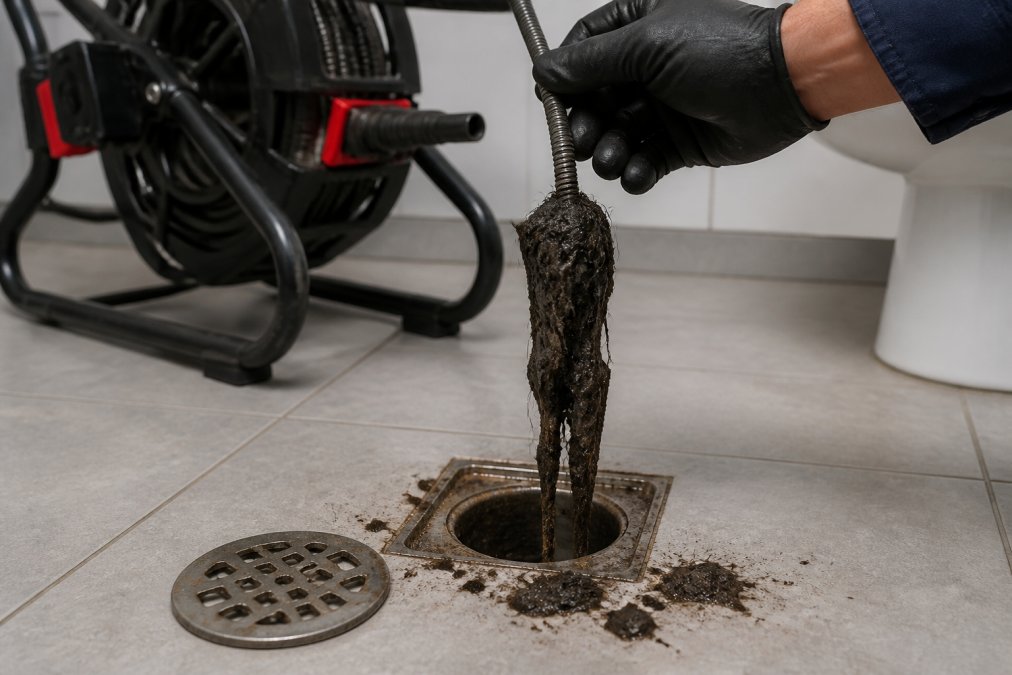
Table of Contents
- Why Recurring Drain Clogs Keep Coming Back
- Step-by-Step DIY Methods for Fixing Recurring Drain Clogs
- Best Drain Cleaner for Recurring Clogs (And What to Avoid)
- Signs of a Main Sewer Line Blockage
- Preventative Maintenance: A Schedule That Actually Works
- When to Call a Plumber for Drain Issues
- Conclusion
Last Updated: August 14, 2026
Recurring drain clogs keep coming back because the root cause was never addressed. At Alpha Rooter & Plumbing, we’ve seen this pattern hundreds of times: a homeowner plunges the drain, it clears, and two weeks later the sink is backed up again. This guide explains how to fix recurring drain clogs for good, covering DIY methods that work, warning signs you shouldn’t ignore, and a maintenance schedule that prevents the problem from returning.
Why Recurring Drain Clogs Keep Coming Back
Recurring drain clogs are blockages that clear temporarily but return within days or weeks because the underlying cause remains in the pipe. A single clog is usually a one-time event. A recurring clog is a symptom of something structural, habitual, or progressive happening inside your plumbing system.
Hair Accumulation, Grease Buildup, and Soap Scum
Hair is the primary offender in bathroom drains. It doesn’t dissolve; it tangles around the drain stopper and P-trap, creating a net that catches everything else. Soap scum, the waxy residue left when soap reacts with hard water minerals, coats pipe walls and gives hair something to stick to. Over time, this combination narrows the pipe’s effective diameter until even moderate water flow causes standing water.
Kitchen drain clogs follow a different pattern. Grease and cooking oils solidify as they cool inside the pipe. Repeated pours build up layer by layer on pipe walls. Dish soap partially emulsifies the grease but doesn’t eliminate it. The result is a sticky buildup that catches food particles and eventually causes a full blockage.
The reason these clogs recur is simple: a plunger or basic drain cleaner dislodges the mass but doesn’t remove the coating on pipe walls. The next cycle of hair or grease has an even easier surface to cling to.
Pipe Slope, Venting Issues, and Aging Pipe Materials
Not all recurring drain problems are caused by what goes down the drain. Sometimes the pipe itself is the problem.
Pipe slope is critical for proper drainage. Drain lines need a consistent downward grade so water carries waste toward the main sewer line. Pipes that have settled or were installed incorrectly can develop low spots where water pools and debris accumulates.
Venting issues are frequently overlooked. Your plumbing system relies on vent pipes to allow air into the drainage system. Without proper venting, negative pressure builds up and slows drainage dramatically. A slow-draining sink with gurgling sounds is often a venting problem, not a blockage. According to the International Plumbing Code standards overview, proper vent sizing and placement are required to maintain drainage velocity and prevent siphoning of P-trap seals.
Aging pipe materials are a major factor in older homes. Cast iron pipes from the mid-20th century corrode from the inside out, creating rough, pitted surfaces that catch debris far more readily than smooth modern PVC. Galvanized steel pipes develop mineral scale that progressively narrows the pipe bore. If your home has original pipes from the 1960s or earlier and you’re dealing with recurring clogs, the pipe material itself is likely contributing.
Step-by-Step DIY Methods for Fixing Recurring Drain Clogs
Before calling a plumber, several DIY methods can clear recurring drain clogs effectively when applied in the right order.
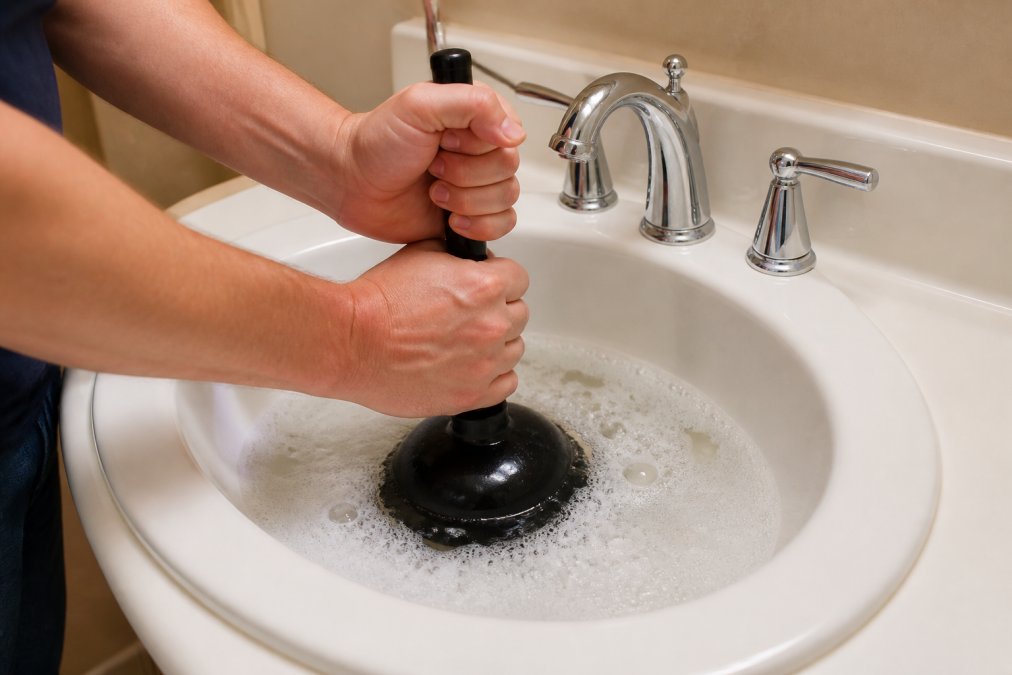
How to Use a Plunger Effectively
Most people use a plunger wrong. Effective plunging requires creating a seal and using sustained pressure, not just force.
For sink drains:
- Remove the drain stopper or strainer
- Partially fill the basin with water to cover the plunger cup
- Block the overflow opening with a wet rag to prevent pressure from escaping
- Position the plunger cup directly over the drain and press down to create a firm seal
- Pump with quick, forceful strokes 10-15 times without breaking the seal
- On the final stroke, pull the plunger sharply upward to create suction
- Check if water drains freely; repeat 2-3 times if needed
Use a cup plunger for sinks and tubs. Reserve the flange plunger for toilets.
Using a Drain Snake or Auger
A drain snake reaches blockages a plunger can’t dislodge. This is the right tool when plunging fails or when the clog is deeper in the pipe.
- Feed the snake cable into the drain opening slowly, rotating the handle clockwise
- When you feel resistance, continue rotating without forcing
- Work the cable back and forth to break up or hook the obstruction
- Pull the snake out slowly, bringing debris with it
- Flush the drain with hot water for 60 seconds to clear remaining residue
A hand auger handles most clogs within the first 15-25 feet of pipe.
Baking Soda and White Vinegar Flush
This method works best as a maintenance flush rather than a cure for severe blockages.
- Pour one cup of baking soda directly into the drain
- Follow immediately with one cup of white vinegar
- Cover the drain opening with a cloth or stopper to direct the reaction downward
- Wait 15-20 minutes while the chemical reaction loosens buildup
- Flush with a full kettle of near-boiling water
Used monthly, this significantly slows the rate of buildup.
After any drain cleaning method, flush with the hottest water your tap produces for a full minute. Hot water carries loosened debris further down the line and reduces the chance it resettles in the same spot.
Cleaning the P-Trap
The P-trap is the curved pipe section directly beneath your sink. It holds water to block sewer gases and is where hair, grease, and debris most commonly accumulate.
- Place a bucket under the P-trap to catch water and debris
- Unscrew the slip-joint nuts on either side by hand or with slip-joint pliers
- Remove the P-trap and empty its contents into the bucket
- Clean the interior with a bottle brush and warm soapy water
- Inspect the trap for cracks, corrosion, or warping
- Reinstall and hand-tighten the slip-joint nuts
- Run water and check for leaks at both connections
Many recurring sink clogs are solved entirely by this step. If the P-trap looks corroded or damaged, replace it.
Best Drain Cleaner for Recurring Clogs (And What to Avoid)
The best drain cleaner for recurring clogs depends on what’s causing them.
Enzymatic drain cleaners are the right tool for ongoing maintenance. They use bacteria and enzymes to break down organic matter, hair, grease, and soap residue without damaging pipe walls. They work slowly (overnight for best results) but are safe for all pipe materials. Used monthly, they meaningfully reduce buildup between professional cleanings.
What to avoid: caustic chemical drain cleaners. Products containing sodium hydroxide or sulfuric acid generate significant heat and clear blockages quickly, but repeated use degrades PVC pipe joints, accelerates corrosion in metal pipes, and can warp or crack older fittings. As documented in EPA guidance on household chemical disposal, caustic chemicals pose serious risks to both users and the environment.
Never mix chemical drain cleaners with each other or with baking soda and vinegar. Combining caustic chemicals can produce chlorine gas or cause violent reactions that splash back and cause serious burns. If you’ve used a chemical cleaner and it didn’t work, flush thoroughly with water before attempting any other method.
Wet/dry vacuum method: For drains where a physical blockage is near the surface, a wet/dry vacuum set to liquid mode can pull the obstruction out. Cover the vent hole on the vacuum, create a seal over the drain, and run it for 20-30 seconds.
| Method | Best For | Pipe-Safe? | Effectiveness on Recurring Clogs |
|---|---|---|---|
| Plunger | Fresh, surface blockages | Yes | Moderate |
| Drain snake / auger | Deep or stubborn clogs | Yes | High |
| Baking soda + vinegar | Light buildup, maintenance | Yes | Low to moderate |
| Enzymatic cleaner | Ongoing organic buildup | Yes | High (long-term) |
| Caustic chemical cleaner | One-time severe clogs | No (damages pipes) | High short-term, harmful long-term |
| P-trap cleaning | Sink-specific clogs | Yes | Very high |
Signs of a Main Sewer Line Blockage
A main sewer line blockage is a different problem from a localized drain clog and demands a different response.
Signs include:
- Multiple fixtures backing up simultaneously. When your toilet gurgles while you run the washing machine, the blockage is in the main line.
- Gurgling sounds from drains or toilets when no water is running, a sign of air displacement caused by a partial blockage.
- Sewage odor from drains, indicating sewer gases are escaping because the P-trap seal has been disrupted.
- Sewer backup in the lowest fixture in the home, waste has nowhere to go and reverses direction.
- Slow drainage across all fixtures rather than one isolated drain.
Tree root intrusion is a leading cause of main sewer line failure. Tree roots actively seek moisture and can infiltrate even small cracks in older clay or cast iron sewer pipes. Once inside, they grow rapidly and eventually cause complete blockages. DIY methods are not appropriate here; a drain snake may temporarily clear the line but won’t remove the root mass.
Preventative Maintenance: A Schedule That Actually Works
The single most effective thing a homeowner can do about recurring drain clogs is stop treating them reactively. A structured maintenance schedule interrupts the buildup cycle before it becomes a blockage.
| Frequency | Task |
|---|---|
| Weekly | Remove and rinse drain strainers; flush kitchen drain with hot water |
| Monthly | Enzymatic drain cleaner treatment in all drains; baking soda/vinegar flush |
| Every 3 months | Clean P-traps under all sinks; inspect for slow drainage |
| Annually | Professional drain inspection; hydro-jetting for high-use drains |
Daily habits that prevent recurring clogs:
- Install mesh drain strainers in every shower and tub to capture hair before it enters the pipe
- Never pour cooking grease down the kitchen drain; collect it in a container and dispose of it in the trash
- Run hot water for 30 seconds after washing dishes to carry grease residue further down the line
- Avoid flushing anything other than toilet paper; "flushable" wipes do not break down in residential plumbing systems
According to guidance on residential plumbing maintenance from the American Society of Plumbing Engineers, consistent preventative maintenance is the most cost-effective strategy for avoiding major drain and sewer repairs.
The difference between a drain that clogs once and one that clogs every month almost always comes down to maintenance habits. Strainers and monthly enzymatic treatments alone eliminate the majority of recurring household drain problems.
When to Call a Plumber for Drain Issues
DIY methods have real limits. Knowing when to call a licensed plumber prevents a manageable problem from becoming a structural one.
Call a plumber when:
- Multiple drains are slow or backing up simultaneously
- You have sewer backup reaching the floor or fixtures
- DIY methods have failed twice on the same drain
- You hear persistent gurgling sounds from drains or toilets
- There is a sewage odor inside the home
- Your home has aging cast iron or galvanized pipes and recurring clogs are increasing in frequency
- You suspect tree root intrusion in the sewer line
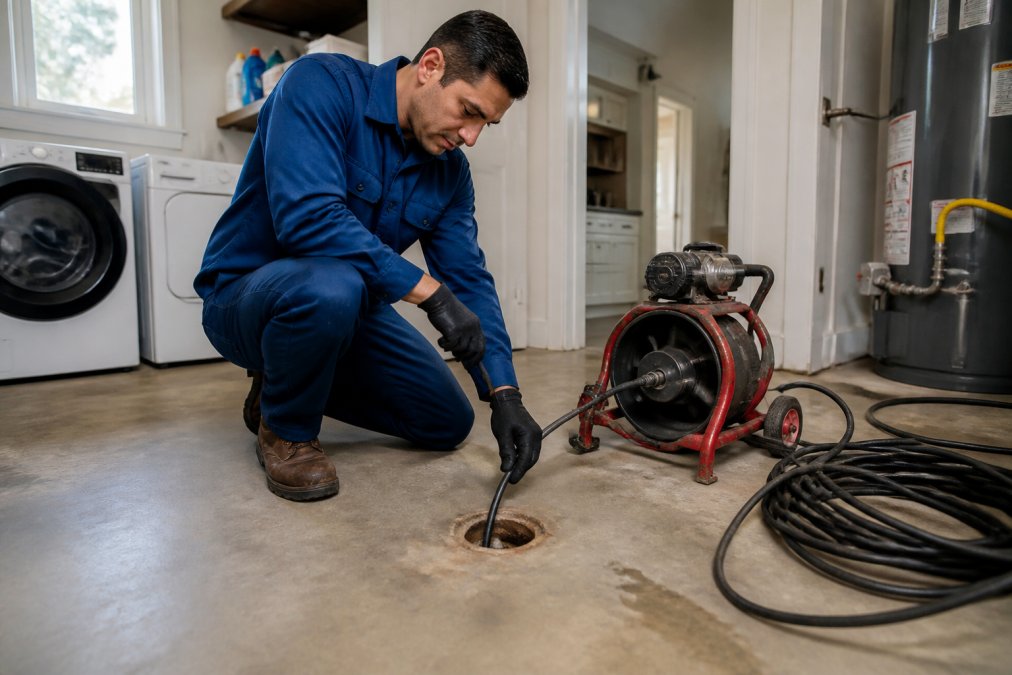
Sewer Camera Inspection and Hydro-Jetting
Sewer camera inspection is the diagnostic tool that changes everything about how recurring drain problems are diagnosed. A flexible camera is fed through the drain line, transmitting real-time video of the pipe interior. This reveals the exact location and nature of the problem: root intrusion, pipe collapse, offset joints, grease accumulation, or corrosion.
Camera inspection eliminates guesswork. A plumber can see precisely what’s causing the recurring clog and recommend the correct repair.
Hydro-jetting is the professional cleaning method that actually removes buildup rather than just punching through it. A high-pressure water stream scours the pipe walls clean, flushing grease, soap scum, scale, and debris completely out of the line. Unlike a drain snake, which creates a channel through a blockage, hydro-jetting restores the pipe’s full interior diameter.
Not every pipe can withstand hydro-jetting. Severely corroded cast iron or cracked clay pipes can be damaged by high-pressure water. A camera inspection before hydro-jetting confirms whether the pipe is structurally sound enough for the procedure.
The Alpha Rooter & Plumbing team uses state-of-the-art diagnostic equipment including sewer cameras to identify the exact cause of recurring clogs before recommending any repair. With licensed plumbers, upfront pricing, and a response time under 90 minutes, there are no surprises on the job or the invoice.
Recurring drain clogs don’t resolve themselves, and surface-level fixes only delay the next backup. If DIY methods haven’t broken the cycle, the problem is almost certainly deeper in the pipe than a plunger can reach. Alpha Rooter & Plumbing provides 24/7 emergency drain and sewer services, including sewer camera inspection and hydro-jetting, to diagnose and fix the actual cause, not just the symptom. Licensed plumbers (License #874454), upfront pricing, and guaranteed response in under 90 minutes. CALL NOW and end the cycle for good.
Frequently Asked Questions
Why does my drain keep clogging even after I clear it?
A drain that clogs repeatedly usually has an underlying cause beyond surface debris. Common culprits include grease buildup coating the pipe walls, hair accumulation caught on rough pipe joints, a partial blockage deep in the main line, or a venting issue that prevents proper drainage. Older cast iron pipes develop corrosion and rough interior surfaces that trap debris faster. Clearing only the visible blockage leaves the root cause in place, which is why the clog returns within days or weeks.
Does pouring boiling water down a drain help unclog it?
Boiling water can dissolve soap scum and light grease in metal pipes, making it a reasonable first step for a slow-draining sink. Pour it slowly in two or three stages to let it work between pours. However, avoid boiling water in PVC pipes, since extreme heat can soften joints and cause leaks. It also won't break up hair clogs or solid blockages. If the drain doesn't improve after one attempt, move on to a plunger or drain snake rather than repeating the hot water treatment.
What are the signs of a main sewer line blockage versus a single drain clog?
A single clogged drain affects only one fixture. A main sewer line blockage shows up across multiple fixtures at once: toilets gurgling when you run the sink, standing water backing up into the shower when the washing machine drains, or a sewer smell coming from floor drains. If more than one plumbing fixture is slow or backing up simultaneously, the problem is almost certainly in the main line rather than an individual drain, and a professional inspection is the right next step.
When should I call a plumber instead of trying to fix a recurring clog myself?
Call a plumber when DIY methods have failed more than twice, when multiple fixtures are draining slowly at the same time, when you hear gurgling sounds from toilets or drains, or when you notice a sewage smell inside the home. Tree root intrusion, collapsed pipe sections, and severe grease buildup in the main line all require professional equipment like hydro-jetting or a sewer camera inspection to diagnose and fix correctly. Waiting too long risks a full sewer backup, which causes significantly more damage.
This article was written using GrandRanker
Comments are closed