
Last Updated: November 16, 2026
Quick Summary
To mitigate tenant water damage liability, shut off the water supply immediately, document the scene with photos and video before cleaning anything, and report the leak to your landlord in writing using neutral, factual language. Keep a dated evidence file of timestamps, receipts, and messages, and never attempt repairs beyond turning the valve.
- Call a licensed emergency plumber when water is still flowing or the shutoff valve will not close.
- Alpha Rooter & Plumbing offers 24/7 emergency response with a response time of under 90 minutes.
- Renters insurance usually covers sudden accidental damage to belongings but excludes neglect and outside flooding.
- Ask for an itemized estimate that separates the cause of damage from the cost of repair.
- Never cut into walls, replace pipes, or reset a water heater yourself.
Table of Contents
- Act Fast: Your First 60 Minutes After a Water Leak
- Does Renters Insurance Cover Water Damage?
- How to Report Water Damage to Landlord Without Admitting Fault
- Your Tenant Water Damage Documentation Checklist
- Water Damage Caused by Tenant Negligence: Where Liability Begins
- Mitigation vs. Unauthorized Repairs: What Tenants Should Never Touch
- When to Call Alpha Rooter & Plumbing for Emergency Water Damage
- Frequently Asked Questions
Act Fast: Your First 60 Minutes After a Water Leak
Water damage spreads fast, and the first hour decides how much of it you will be dealing with.
Here is what most renters get wrong. They panic, mop everything up, and only call the landlord the next morning. By then, the stain has spread and the story looks worse than it is.
Shut Off the Water and Stop the Source
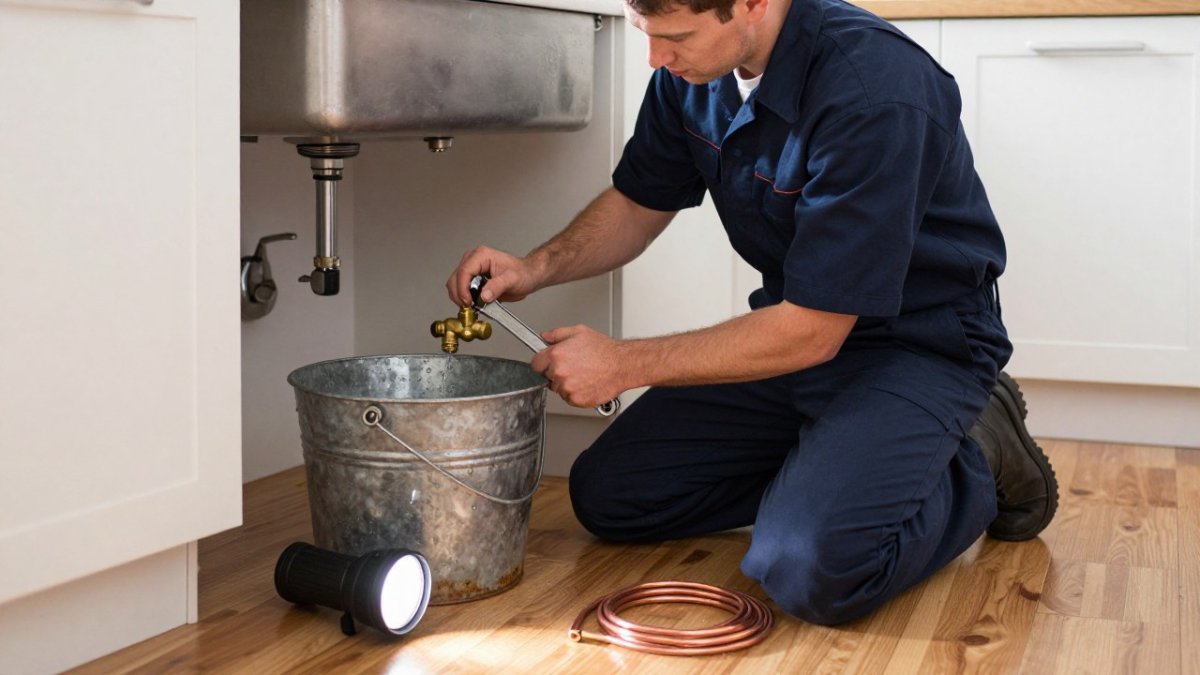
Find the water shut-off valve first. For a sink or toilet leak, it is usually the small oval handle behind or below the fixture.
If water is pouring from a pipe you cannot reach, call your landlord or property manager right away.
Turning off the supply is the single fastest way to limit water damage. It also shows you took reasonable care, which matters later.
If you have never located your shutoff valves, read these steps to prevent water damage from pipes so you know exactly where to look before the next emergency.
Document Before You Clean
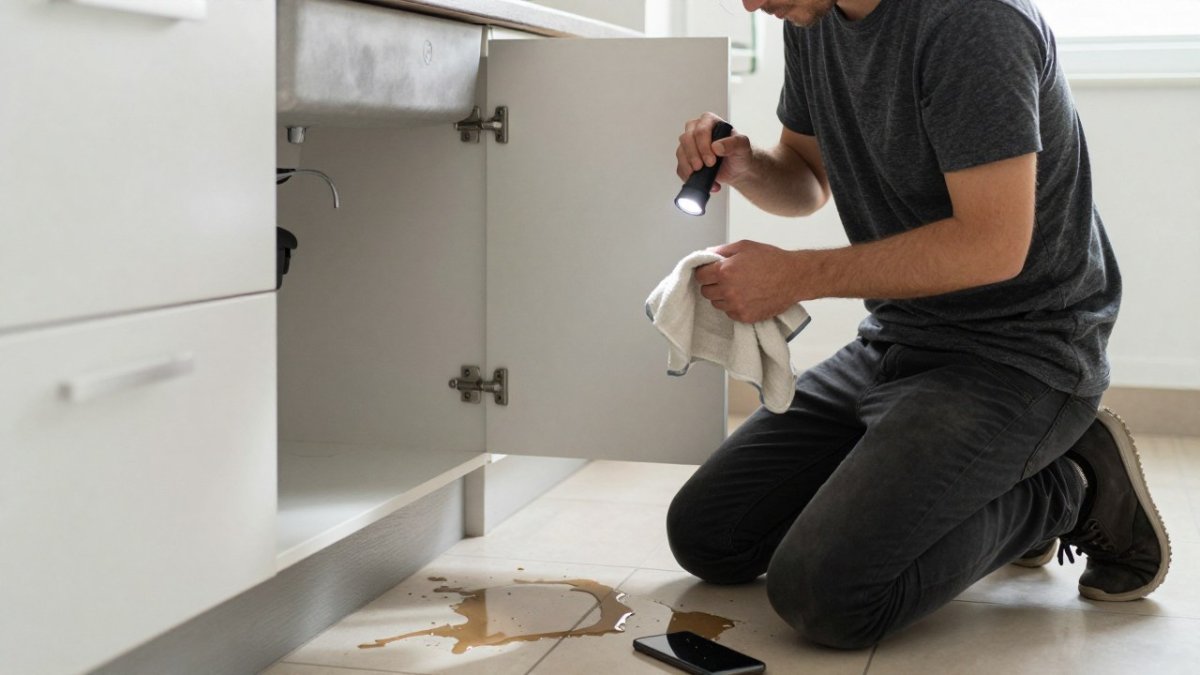
Take photos and video before you touch anything. Shoot wide shots of the room, then close-ups of the leak point, the wet floor, and any damaged belongings.
Record the time you found the water and the time you shut it off. Save every text and email with your landlord.
Cleaning up before you document is a common mistake. You erase the evidence that proves the leak started somewhere other than your own fault.
Does Renters Insurance Cover Water Damage?
Renters insurance usually covers sudden, accidental water damage to your personal belongings, such as a burst pipe soaking your furniture (Your renters insurance guide).
The details depend on your policy. Check your declarations page or call your insurer before you assume anything.
Two coverage types matter here:
- Personal property coverage pays to replace your damaged belongings.
- Personal liability coverage may help if your negligence damaged the building or a neighboring apartment.
Flood damage from storms or rising water is almost always excluded. That requires separate flood insurance, which most renters do not carry.
The Insurance Information Institute’s guide to renters insurance explains how these coverage types differ in plain terms.
How to Report Water Damage to Landlord Without Admitting Fault
Report the leak in writing, and report it fast.
A simple message works:
Hi [landlord name], I found water under the kitchen sink at [time] today. I shut off the supply valve and took photos. Please send someone to assess it. I am available at [times].
Keep it neutral. Words like “I accidentally” or “my fault” can haunt you later if fault is disputed.
Send it by text or email so you have a communication record. Follow up with a phone call if it is urgent.
For the full playbook on rental emergencies, see our guide on how to handle plumbing emergencies in rental properties.
Your Tenant Water Damage Documentation Checklist
A tenant water damage documentation checklist is a same-day evidence file that shows what happened, when, and what you did about it. Most renters take a few photos and stop there.
Capture the scene before cleanup
- Photos of the leak source before you touch anything, including the valve position and any visible corrosion or crack
- Wide shots of every affected room from the doorway, so the layout and spread are clear
- Close-ups of water lines on walls, stained ceiling drywall, buckled flooring, and wet belongings
Lock in timestamps and details
- Date and time you discovered the water
- Date and time you shut off the water or called for help
- The exact words you used in your first notice to the landlord
- A log of every call, text, email, and in-person conversation, with who said what
Keep the original photo and video files rather than screenshots of them. Original files carry metadata that can corroborate when a image was taken, while screenshots and messaging-app copies often strip it. If your phone backs up automatically, confirm the files synced before you delete anything from the device.
Track money and damaged property
- Receipts for cleanup supplies, fans, dehumidifiers, or temporary storage you paid for
- A list of damaged personal belongings with replacement-cost notes and photos of each item
- Copies of any notices, work orders, or inspection reports the landlord sends
- Copies of your lease section on reporting and maintenance, plus your renters policy declarations page
Store it where it survives
Keep one folder on your phone and a backup in cloud storage or email to yourself. Name files by date so the sequence is obvious. If the dispute escalates, this folder becomes the backbone of your response.
Watch out: cleaning up or discarding damaged items before you photograph them can erase the evidence that shows the water came from a source you did not control.
How to use the file in a dispute
If your landlord sends a demand for repair costs, respond in writing and ask for an itemized estimate that separates the cause of the damage from the cost of repair. Compare that estimate against your photos, your notice timeline, and your lease language. Send copies of your evidence rather than originals, and keep every message in the same thread so the record stays intact.
Water Damage Caused by Tenant Negligence: Where Liability Begins
Tenant liability for water damage usually turns on whether the tenant failed to use reasonable care. That standard is applied by cause, by lease terms, and by the law that governs the rental. No article can decide your case, but you can identify the factors that matter and preserve the evidence that supports your position.
Start with the source of the water
The source is the first fork in the road. A common pattern looks like this:
- Fixture the tenant controls (sink, toilet, tub, washing machine connection): a clog, overflow, or unattended running water points toward tenant responsibility.
- Appliance failure (water heater, dishwasher supply line, refrigerator ice maker line): responsibility often depends on whether the tenant installed or maintained the appliance versus whether it came with the unit.
- Shared or structural plumbing (supply lines inside walls, stack drains, building risers): these usually point toward the landlord, especially if corrosion or age is visible.
- Roof or exterior leaks and storm flooding: typically a landlord or building issue, and often excluded from renters policies without separate flood coverage.
Then check the lease and the reporting timeline
Many leases require tenants to report leaks promptly and to keep fixtures clear. A missed reporting deadline can shift responsibility even when the underlying cause was not your fault. Read the maintenance and reporting clause before you respond to any demand, and note the exact deadline it sets.
Then check your policy
Renters insurance separates personal property coverage from personal liability coverage. Personal property pays to replace your belongings; personal liability may respond if your negligence damaged the building or a neighboring unit. Flood from outside is almost always excluded and requires separate flood insurance.
A cause-by-cause decision path
- Identify the source and whether you controlled it.
- Note any early warning sign you saw or should have seen, such as a slow drip or a stained ceiling.
- Check the lease reporting and maintenance terms and whether you met them.
- Review your renters policy for personal property and personal liability coverage.
- Note whether damage reached an adjacent unit, because neighbors may file claims.
Liability is rarely black and white. Cause, lease, and policy together shape who pays, and local landlord-tenant law can add notice and repair rules that change the outcome.
How to respond to a fault demand
If your landlord demands payment, reply in writing and ask for an itemized estimate that separates the cause of the damage from the cost of repair. Request the plumber’s or contractor’s written findings.
Watch out: apologizing for the leak or guessing at the cause in your first message can be used later as an admission, even when the water came from a pipe you did not control.
If your landlord stalls or ignores the report, read what to do if your landlord ignores water damage before the problem grows.
Mitigation vs. Unauthorized Repairs: What Tenants Should Never Touch
Stop the water, then stop. Shutting off a valve and mopping up is mitigation.
Unauthorized repairs can void your lease protections and make you pay for new damage. They also destroy evidence that could have proven the landlord was at fault.
Never touch these:
- Supply lines or shutoff valves beyond turning the handle
- Water heaters, boilers, or building-wide shutoffs
- Mold removal beyond surface wiping
- Electrical outlets or fixtures near water
If a pipe is actively spraying, follow these steps to stop a burst pipe in an apartment and call for help rather than improvising.
When to Call Alpha Rooter & Plumbing for Emergency Water Damage
Licensed plumbers find the source of the leak and stop it, with upfront pricing and no hidden fees.
We do not replace your landlord. We stop the damage and document what we find, which helps you and your landlord sort out fault later.
If you are hiring help on your own, learn how to choose a licensed emergency plumber so you know what to ask and what to expect.
Water damage never waits, and neither should you.
Frequently Asked Questions
Can a tenant be held liable for water damage in a rental?
Yes, but only when the damage traces back to the tenant’s actions or neglect. If a running tub overflows, a toilet supply line bursts because it was never reported, or an appliance fails due to misuse, the tenant can be held responsible for repair costs and the landlord’s deductible. Damage from a sudden plumbing leak inside the wall, a failed water heater, or storm-driven rainwater usually falls on the landlord. The lease terms, the cause of the water damage, and state law all shape the final liability determination.
Does renters insurance cover water damage caused by a leak?
Most renters insurance policies cover sudden and accidental water damage, such as a burst pipe or an overflowing appliance, including damage to your personal belongings and personal liability coverage if the leak reaches an adjacent unit. Standard policies exclude flood damage from rising water or storm surge, which requires a separate flood insurance policy. Check your coverage exclusions and deductible before assuming a claim will be paid, and report the water leak to your insurer promptly.
How quickly should a tenant report water damage to a landlord?
Report it the same day, ideally within hours of discovery. Most leases require prompt notice, and delay can turn a small plumbing leak into structural repairs and mold. Send written notice by email or text so you have communication records, then follow up with a phone call for urgent issues. If the landlord or property manager does not respond, send a second written notice and keep copies. Fast reporting shows reasonable care and protects you if fault is disputed later.
What should tenants document after water damage?
Photograph and video the source of water, the standing water, and every affected item before cleanup. Save receipts for temporary repairs, hotel stays, or ruined belongings. Keep a written log of dates, times, calls, and who said what. Photograph the water shut-off valve and any visible plumbing failure. This tenant water damage documentation checklist becomes your evidence if the landlord files an insurance claim, withholds a security deposit, or disputes repair costs.
