
Table of Contents
- Tankless Water Heater Installation Cost Overview
- Tankless Water Heater Labor Cost Breakdown
- Gas Tankless Water Heater Installation Cost
- Electric Tankless Water Heater Installation Cost
- Tankless Water Heater Installation Requirements and Hidden Costs
- Factors That Affect Your Installation Price
- How to Evaluate Contractor Quotes and Avoid Overcharges
- Frequently Asked Questions
Last Updated: October 10, 2026
Tankless Water Heater Installation Cost Overview
A tankless water heater installation cost typically ranges depending on your home’s setup and the unit you choose. Understanding what drives these costs helps you evaluate contractor quotes and avoid surprises.
The price breaks down into two main components: the unit itself and the labor required to install it. A gas tankless water heater costs more upfront than electric models, but electric units may require significant electrical upgrades that offset the lower equipment price. Location matters too, Los Angeles has specific permit and code requirements that add to the overall expense.
At Alpha Rooter & Plumbing, we’ve helped hundreds of homeowners navigate this decision. Our licensed plumbers provide upfront pricing with no hidden fees, so you know exactly what you’re paying before we start work. Understanding the cost drivers below will help you have a productive conversation with any contractor.
Tankless Water Heater Labor Cost Breakdown
Labor typically represents 40-60% of your total installation cost. This is where complexity matters most. A straightforward replacement of an existing unit costs less than a new installation in a home that’s never had one.
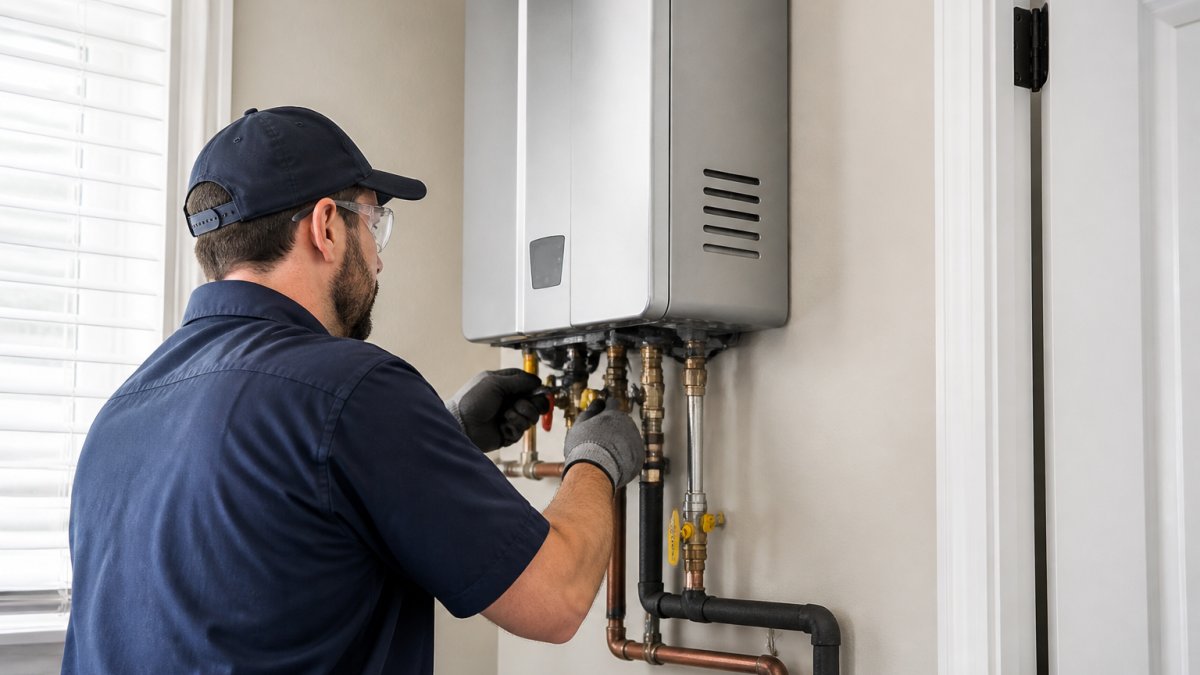
Basic labor costs cover:
- Removing old equipment (if applicable)
- Mounting the new unit
- Connecting water lines
- Installing venting or exhaust systems
- Testing and inspections
- Permits and documentation
A simple replacement in a home with existing gas lines and proper venting might run 6-8 hours of labor. A new installation requiring gas line extensions, venting installation, or electrical work can stretch to 12-16 hours or more.
The complexity of your home’s plumbing and gas infrastructure determines whether your installation falls into the budget-friendly or premium range. Older homes with outdated piping, tight crawlspaces, or difficult venting routes cost significantly more to work with than newer construction with modern systems already in place.
Gas Tankless Water Heater Installation Cost
Gas tankless water heaters are the most popular choice in Los Angeles because they provide faster hot water recovery and lower operating costs than electric models. However, the upfront installation cost is higher.
A gas tankless water heater unit itself varies in cost depending on capacity and brand. Add labor, plus potential gas line modifications, venting installation, and permit fees.
Your existing gas line infrastructure determines whether installation stays straightforward or becomes complicated. If your home already has a gas line running to where you want the unit mounted, costs stay lower. If you need to extend the gas line from your meter or upgrade piping from older materials, expect additional labor and materials charges.
Venting requirements add another layer. Gas units must safely exhaust combustion gases outside your home. Some installations use existing venting, while others require new roof penetrations or wall vents. Complex venting scenarios push costs toward the upper end of the range.
Electric Tankless Water Heater Installation Cost
Electric tankless water heaters cost less to purchase for the unit itself. This makes the equipment price attractive compared to gas models. However, the total electric tankless water heater installation cost often surprises homeowners because electrical upgrades are frequently necessary.
Most electric tankless units require 200-amp service and dedicated circuits rated for 40-60 amps. If your home’s electrical panel can’t support this, you’ll need an upgrade before the water heater even gets installed. This hidden cost is why many homeowners choose gas despite higher equipment prices.
The actual installation labor for an electric unit is simpler than gas, no venting, no gas line work. You’re primarily paying for electrical rough-in, panel upgrades if needed, and final connections. Total installation varies when no major electrical upgrades are required.
Electric units work best in homes with modern electrical service and modest hot water demands. If your home has older wiring or you use large amounts of hot water simultaneously (multiple showers, laundry, dishwasher), gas remains the better choice despite higher installation costs.
Tankless Water Heater Installation Requirements and Hidden Costs
Several factors beyond the unit and basic labor can increase your final bill. Understanding these helps you anticipate realistic pricing.
Permits and inspections are mandatory in Los Angeles. Building permits vary depending on your jurisdiction, and inspections may add to the cost. Some contractors include this in their quote; others bill it separately. Always ask upfront.
Gas line modifications are common when upgrading from a tank-style heater. Your existing gas line may be undersized for a tankless unit’s demand. Extending or upgrading gas lines adds to your project cost depending on distance and complexity.
Venting installation for gas units sometimes requires new roof penetrations or exterior wall vents. If your home’s current venting won’t work with the new unit, expect additional materials and labor.
Water line modifications become necessary if your current plumbing doesn’t connect efficiently to the new unit’s location. Rerouting lines adds to the cost.
Haul-away of old equipment is sometimes included in contractor pricing, sometimes billed separately at $100 to $300.
The difference between quotes often comes down to these hidden costs. A thorough contractor inspection before providing an estimate catches most of these issues and prevents surprises.
Factors That Affect Your Installation Price
Unit Size and Household Demand
The capacity you need determines which units are viable and affects both equipment and installation costs. Undersizing creates cold water complaints; oversizing wastes money on equipment you don’t need.
Household demand depends on simultaneous hot water use. A couple taking one shower at a time needs a smaller unit than a family of four with multiple bathrooms. Simultaneous demands like running a shower while doing laundry require higher flow rates and larger units.
Gas tankless units are rated in gallons per minute (GPM). Most homes need 8-10 GPM for adequate performance. Larger units cost more and may require upgraded gas lines. Smaller units cost less but may not deliver hot water to multiple fixtures simultaneously.
Electric units have similar sizing considerations but face the electrical upgrade challenge. A high-capacity electric unit demands more amperage, making electrical panel upgrades more likely and more expensive.
New Installation Versus Replacement
Replacing an existing tankless or tank-style water heater costs significantly less than installing a tankless system in a home that’s never had one.
A replacement installation reuses existing connections, venting, and sometimes gas or electrical infrastructure. You’re primarily paying for the new unit and labor to swap it out. These projects typically vary in cost.
A new installation in a home with only a tank-style heater requires assessing and often upgrading gas lines, venting, electrical service, and water connections. Permit requirements may be more stringent. These projects commonly vary in cost.
The age and condition of your home’s mechanical systems heavily influences which scenario applies to you. Newer homes with modern plumbing and electrical systems stay closer to replacement pricing. Older homes with outdated infrastructure shift toward new installation pricing.
Permits, Inspections, and Code Compliance
Los Angeles requires permits for tankless water heater installations. The permit process ensures your system meets current building codes and safety standards.
Permit costs themselves are modest. However, the inspection process can reveal code violations in your existing plumbing or gas infrastructure that must be corrected before final approval. These corrections add time and cost to your project.
Gas line sizing, venting safety, electrical capacity, and water pressure regulation all fall under code review. A contractor familiar with Los Angeles requirements can design an installation that passes inspection on the first attempt. Unfamiliar contractors sometimes create rework situations that inflate final costs.
Existing Plumbing and Gas-Line Retrofit
Your home’s current piping condition and layout directly impact installation complexity and cost.
Homes with modern copper or PEX plumbing and properly sized gas lines often need minimal modifications. If your existing gas line already serves a tank-style water heater, upgrading to tankless may require only a size increase, a relatively inexpensive retrofit.
Older homes with galvanized steel piping or corroded cast iron lines frequently require full replacements. These homes may have undersized gas lines that need upgrading. Retrofit work on older systems costs significantly more than working with modern infrastructure.
The physical location where you want to install the unit affects retrofit complexity. Installing in the same location as an old tank heater is straightforward. Installing in a different room requires running new gas, water, and venting lines, much more expensive.
How to Evaluate Contractor Quotes and Avoid Overcharges
Getting multiple quotes is essential. Reputable contractors provide detailed, itemized estimates that break down equipment, labor, permits, and any additional work.
Compare apples to apples. Different quotes for the same unit and home may not be comparing the same scope of work.
Ask what’s included. Confirm whether the quote includes permit fees, inspection costs, haul-away of old equipment, and any required upgrades to gas or electrical lines.
Verify licensing and insurance. Ask for proof of a current California plumbing license and general liability insurance.
Request references. Ask for contact information from recent tankless installation customers.
Watch for red flags. Quotes that seem unusually low often hide surprises. Contractors who won’t provide itemized estimates or who pressure you to decide immediately are not trustworthy.
Understand the warranty. Ask what the contractor warrants on their labor and what the manufacturer warrants on the equipment.
Getting an accurate tankless water heater installation cost estimate requires understanding your home’s specific needs and current infrastructure.
When you’re ready to move forward, Alpha Rooter & Plumbing provides upfront pricing with no hidden fees and guarantees a response time under 90 minutes.
| Installation Type | Typical Range | What’s Included | Best For |
|---|---|---|---|
| Gas replacement | $2,400-$3,500 | Unit, labor, basic connections, permits | Existing gas infrastructure |
| Gas new installation | $3,500-$5,400 | Unit, labor, gas line upgrades, venting, permits | Homes upgrading from tank heaters |
| Electric replacement | $1,200-$2,000 | Unit, labor, electrical connections | Homes with modern electrical service |
| Electric new installation | $2,000-$2,678+ | Unit, labor, electrical panel upgrades, permits | Modest hot water demand, modern wiring |
According to Home Depot’s water heater installation cost guide, tankless systems typically range from $2,400 to $5,400 installed, reflecting the complexity of retrofitting modern equipment into existing homes.
Local Service Pros Plumbing’s Los Angeles cost analysis breaks down installation into low-end ($1,400-$2,200), average ($2,400-$3,500), and premium scenarios, emphasizing how unit type and existing infrastructure drive pricing differences.
A Handoff cost estimate for Los Angeles tankless installations reports that materials and labor combined typically run $1,200 to $2,678 per unit, providing a baseline for budget planning before contractor quotes arrive.
Frequently Asked Questions
How much does it typically cost to install a tankless water heater?
Published estimates for tankless water heater installation costs vary depending on the unit type, your existing plumbing setup, and local labor rates. Gas tankless units generally cost more to install than electric models due to venting and gas-line work. For a precise quote tailored to your home, contact a licensed installer who can assess your specific installation requirements and provide upfront pricing.
What is the labor cost to install a tankless water heater?
Labor typically represents 40-60% of your total installation cost. The exact labor cost depends on installation complexity, whether you’re replacing an existing unit or doing a new installation, and local contractor rates. Retrofit installations in homes with older plumbing or gas lines require more labor than straightforward replacements. Request itemized quotes from licensed plumbers that break out labor separately from materials and permits.
What permits and inspections do I need for tankless water heater installation?
Most jurisdictions require permits for tankless water heater installation and mandate inspections before the unit operates. Permits ensure the installation meets local building codes and safety standards. Permit costs and inspection fees vary by location but are typically included in contractor estimates or charged separately. Always verify that your installer pulls permits and schedules inspections, this protects you legally and ensures the work is done to code.
Is a gas or electric tankless water heater cheaper to install?
Electric tankless units are usually cheaper to install because they don’t require venting, gas-line connections, or upgrades to your electrical panel. Gas models cost more upfront due to venting requirements and possible gas-line modifications, but they heat water faster and cost less to operate. Choose based on your home’s existing utilities, your hot-water demand, and long-term operating costs, not installation price alone.
What can increase the cost of my tankless water heater installation?
Several factors raise installation costs: retrofitting old plumbing or gas lines, upgrading electrical service for electric units, installing new venting systems, relocating the unit from your current water heater location, and addressing code compliance issues in older homes. Haul-away of your old unit and any structural modifications also add to the total. A thorough site inspection by a licensed installer will identify these factors before work begins.