
Table of Contents
- 5 Benefits of Trenchless Sewer Repair for Homeowners
- Minimal Disruption to Landscaping and Property
- Faster Completion and Time Efficiency
- Long-Term Durability and Longevity
- Trenchless vs Traditional Sewer Repair Methods
- Cost-Effectiveness and Long-Term Savings
- Environmental and Eco-Friendly Benefits
- When Trenchless Repair Is Not Suitable
- Conclusion
- Frequently Asked Questions
Last Updated: September 19, 2026
5 Benefits of Trenchless Sewer Repair for Homeowners
Trenchless sewer repair has transformed how homeowners address failing underground pipes. Instead of excavating your entire yard, professionals can now rehabilitate or replace damaged sewer lines from the inside out. This guide from Alpha Rooter & Plumbing covers the major advantages of trenchless sewer repair, and explains when traditional digging is still the better choice.
The core appeal is simple: you get a working sewer system without destroying your property. Trenchless technology offers real advantages in durability, cost, and environmental impact that homeowners should understand before making a repair decision.
Quick Summary:
- Minimal disruption to your property and landscaping
- Faster completion with less downtime
- Long-lasting solutions that outlive traditional repairs
- Often more cost-effective when total restoration is factored in
- Environmentally responsible approach to sewer repair
Minimal Disruption to Landscaping and Property
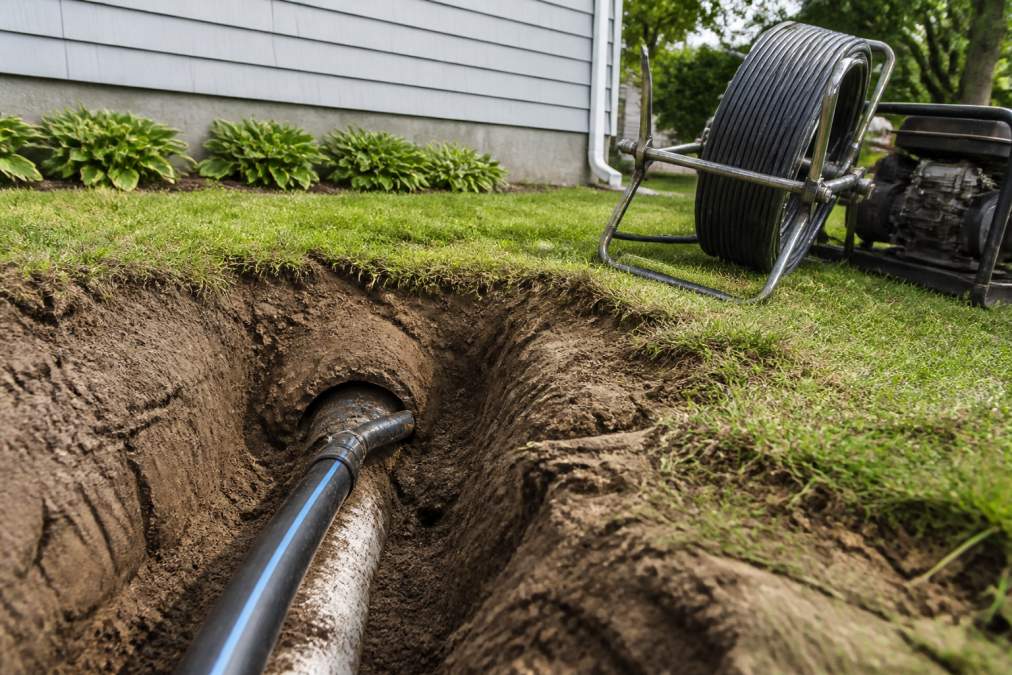
The most obvious benefit of trenchless sewer repair is what doesn’t happen: your yard stays intact. Traditional sewer line replacement requires digging a trench from your house to the street, often 3 to 4 feet deep and several feet wide, removing trees, destroying hardscaping, and tearing up driveways.
Trenchless sewer repair requires only two small access pits, typically 3 to 4 feet in diameter, one near your house, one near the street. Your landscaping, driveway, patio, and trees survive the process completely intact.
This preservation matters financially. Landscape restoration after traditional excavation can cost thousands of dollars and take months or years. With trenchless sewer repair, you avoid those secondary costs entirely.
If you have mature trees near your sewer line, trenchless repair is often the only practical option. Tree roots can be carefully worked around during the process, and the root intrusion that caused the original failure can be permanently addressed without removing the tree.
Faster Completion and Time Efficiency
A traditional sewer line replacement takes 5 to 7 days minimum, often longer due to weather delays, utility conflicts, and soil conditions.
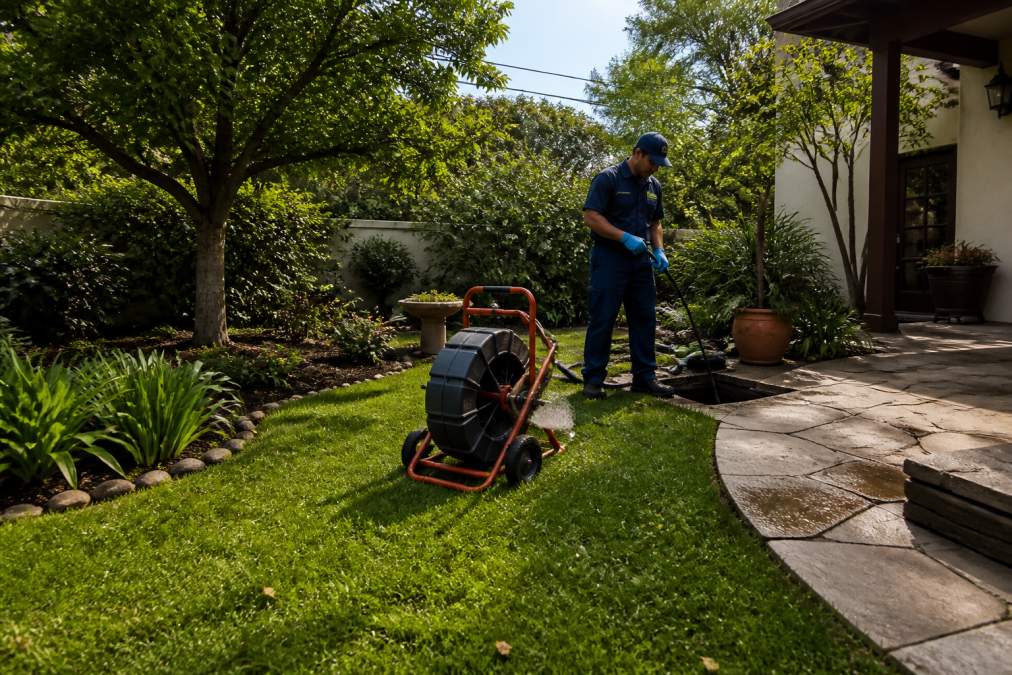
Trenchless sewer repair typically completes in 1 to 3 days with no weather interference, no massive trench, and minimal neighborhood disruption.
For homeowners, this speed means your sewer is operational again quickly and your property returns to normal fast, reducing the window of disruption.
During emergencies like sewer collapse or backup, trenchless repair gets you functional plumbing back online faster, minimizing health and sanitation risks.
Time efficiency with trenchless repair isn’t just convenience, it’s about minimizing the disruption to your daily life and reducing the window when sewer problems affect your home.
Long-Term Durability and Longevity
Trenchless sewer repair creates durable solutions lasting 50+ years, often exceeding traditional repair lifespans.
CIPP technology creates a “pipe within a pipe” by inserting a resin-impregnated liner into the damaged line and curing it in place. This new pipe resists root intrusion, corrosion, and ground movement.
Pipe bursting replaces the old pipe by pulling a new HDPE pipe through the existing line, fracturing the old pipe outward. The result is a brand-new, seamless sewer line lasting 50+ years.
Traditional installation can degrade faster due to soil settling and incomplete compaction. Trenchless methods create more uniform, stable installations.
The durability advantage means fewer repairs over your lifetime, especially valuable for homeowners in older neighborhoods with aging sewer infrastructure.
Trenchless vs Traditional Sewer Repair Methods
Understanding the differences between trenchless and traditional approaches helps clarify why trenchless has become the preferred solution for many homeowners.
Traditional Excavation:
Traditional sewer repair digs down to the damaged pipe, removes it, and installs a new one. The trench must be 4 to 12 feet deep depending on your area’s frost line, then crews backfill, compact, and restore the surface.
Traditional methods work when trenchless repair cannot: severe lateral damage, multiple breaks, or structural collapse. It also allows visual inspection and addressing multiple problems in one project.
Disadvantages include slow, disruptive work; property damage requiring restoration; risks to underground utilities; and potential structural destabilization.
Trenchless Repair Methods:
Trenchless sewer repair works through two primary technologies:
-
CIPP (Cured-in-Place Pipe Lining): Best for pipes with cracks, holes, or minor collapses. A resin-saturated liner is pulled into the damaged pipe and cured via hot water or UV light, creating a hardened new pipe inside the old one.
-
Pipe Bursting: Best for complete pipe replacement. A bursting head fractures the old pipe outward while pulling a new HDPE pipe into place. It works well for collapsed pipes, severely corroded cast iron, or pipe upgrades.
Trenchless methods require access pits but no continuous trench. They’re faster, cleaner, and less disruptive. The trade-off: they don’t work in every situation. Severely damaged sections with multiple breaks, lateral damage, or structural collapse may require traditional excavation.
| Aspect | Trenchless Repair | Traditional Excavation |
|---|---|---|
| Disruption | Minimal (2 small pits) | Extensive (full trench) |
| Timeline | 1-3 days | 5-7+ days |
| Landscaping Impact | None | Significant damage |
| Cost (repair only) | Higher upfront | Lower upfront |
| Restoration Costs | Minimal/none | Thousands of dollars |
| Durability | 50+ years | Variable (15-30 years typical) |
| Best For | Cracks, holes, corrosion | Severe collapse, multiple breaks |
Cost-Effectiveness and Long-Term Savings
Trenchless sewer repair costs more upfront than traditional excavation. The technology is more sophisticated, equipment is specialized, and skilled technicians command higher rates. A trenchless repair might cost 20-40% more than traditional excavation for the repair work itself.
But this comparison misses the real financial picture. When you factor in restoration costs, trenchless repair becomes the more economical choice for most homeowners.
Traditional excavation requires restoring everything the digging destroyed:
- Regrading and recompacting soil
- Replanting landscaping, shrubs, and trees
- Rebuilding hardscaping (patios, walkways)
- Repairing or replacing driveways
- Hauling away excavated soil
These restoration costs often equal or exceed the cost of the sewer repair itself. A homeowner might spend $8,000 on the excavation and pipe replacement, then another $6,000-$10,000 restoring the yard.
Trenchless repair avoids these secondary costs entirely. The total project cost is often comparable or cheaper than traditional methods.
Trenchless repair’s 50+ year lifespan means you’re unlikely to need another major sewer repair in your lifetime, unlike traditional repairs that often require repeat work within 15-25 years.
Alpha Rooter & Plumbing offers upfront pricing with no hidden fees, so you know exactly what your trenchless repair will cost before work begins. This transparency helps you make informed financial decisions about your sewer system.
Watch for contractors who quote only the repair cost without discussing restoration. A “cheaper” traditional excavation quote might not include the $8,000-$12,000 in landscaping restoration that follows. Always get a complete project estimate, not just the pipe work.
Environmental and Eco-Friendly Benefits
Trenchless sewer repair is the environmentally responsible choice. It reduces the ecological impact of sewer system maintenance in multiple ways.
Minimal Soil Disturbance:
Traditional excavation removes thousands of cubic feet of soil and requires energy-intensive hauling to landfills. Trenchless repair works through small access pits, leaving 95% of surrounding soil undisturbed.
Preservation of Vegetation:
Mature trees represent years of growth and carbon sequestration. Trenchless repair preserves existing vegetation, maintaining environmental value already established on your property.
Reduced Equipment Use:
Traditional sewer repair requires heavy excavation equipment running for days, burning fuel and generating emissions. Trenchless repair uses smaller, more efficient equipment, reducing fuel consumption and emissions.
No Landfill Waste:
Excavation produces massive soil and pipe waste requiring disposal. Trenchless methods fracture or leave the old pipe in place, eliminating hauling and landfill waste.
For environmentally conscious homeowners, trenchless sewer repair aligns repair needs with sustainability values.
When Trenchless Repair Is Not Suitable
Trenchless sewer repair is powerful, but it’s not the right solution in every situation. Understanding these limitations helps you and your plumber determine the best approach for your specific problem.
Conclusion
Trenchless sewer repair delivers real advantages for most homeowners facing sewer problems. Minimal disruption, faster completion, long-term durability, and cost-effectiveness make it the preferred solution when the damage pattern allows. The environmental benefits add another compelling reason to choose trenchless technology when it’s suitable for your situation.
Frequently Asked Questions
What are the advantages of trenchless sewer line replacement?
Trenchless sewer repair avoids the excavation required in traditional methods, preserving your landscaping, driveways, and hardscaping. The process is faster, typically completed in one to three days, and reduces property disruption significantly. The cured-in-place pipe (CIPP) lining creates a new pipe within the old one, restoring structural integrity without replacing the entire line. This method works on various pipe materials including clay, cast iron, and PVC, making it adaptable to older homes.
How long does trenchless pipe lining last?
Trenchless pipe lining using CIPP technology typically lasts 50 years or more, matching or exceeding the lifespan of traditional pipe replacement. The resin-impregnated liner bonds to the existing pipe, creating a durable, seamless interior surface resistant to root intrusion and corrosion. Longevity depends on pipe material, water quality, and maintenance practices. Professional installation by certified technicians ensures proper curing and maximum durability of the rehabilitation.
How much does it cost to repair a trenchless sewer line?
Trenchless sewer repair pricing depends on the pipe length, damage severity, accessibility, and your specific situation. While trenchless methods typically cost less than traditional excavation due to reduced labor and property restoration, getting an accurate quote requires a professional inspection. Contact Alpha Rooter & Plumbing for an upfront estimate with no hidden fees, they offer transparent pricing and can assess whether trenchless repair is the right solution for your sewer line.
Is trenchless sewer repair covered by homeowners insurance?
Coverage varies by policy and insurer. Most homeowners insurance policies cover sudden, accidental sewer line damage but may exclude gradual wear, root intrusion, or pre-existing conditions. Some policies cover the repair cost; others cover only backup damage to your home’s interior. Review your policy details and contact your insurer before repair work begins. Documenting the damage with a professional sewer scope inspection strengthens any insurance claim.
What are the potential downsides of trenchless sewer repair?
Trenchless repair is not suitable for all situations. Severely collapsed pipes, multiple breaks, or extensive damage may require full pipe replacement instead. The method requires adequate access points and space for equipment entry and exit. Some older or severely deteriorated pipes may not be good candidates for lining. Additionally, trenchless technology works best on relatively straight pipe runs; complex angles or offset joints can complicate the process and may require hybrid approaches or traditional excavation.
Comments are closed