
Table of Contents
- Why DIY Drain Cleaning Fails on Aging Pipes
- How Chemical Drain Cleaner Damage to Pipes Occurs
- DIY Drain Snake Risks and Why They Backfire
- Health Hazards: Toxic Chemical Exposure and Respiratory Risks
- Safe Ways to Unclog a Drain Without Risking Your Pipes
- When to Call a Plumber for a Clogged Drain
- What to Do After Chemical Cleaner Has Already Been Used
- Frequently Asked Questions
Last Updated: October 21, 2026
Why DIY Drain Cleaning Fails on Aging Pipes
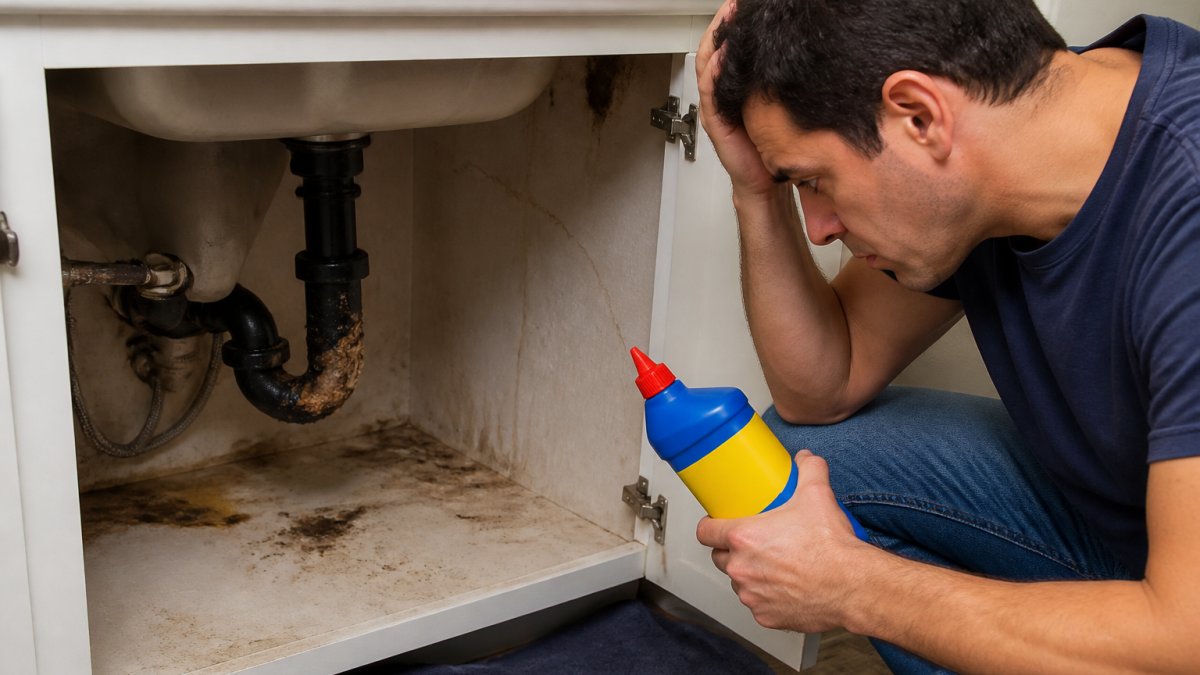
The dangers of DIY drain cleaning for aging pipes pose serious risks to aging pipes.
Homeowners often make this mistake to save money, ending up with burst pipes, leaks, and repair bills that dwarf professional service.
The core problem: aging pipes are fragile.
How Chemical Drain Cleaner Damage to Pipes Occurs
Chemical drain cleaners generate intense heat and caustic reactions inside your pipes, destroying the pipe material itself, not just the clog.
Corrosion and erosion of metal and cast-iron pipes
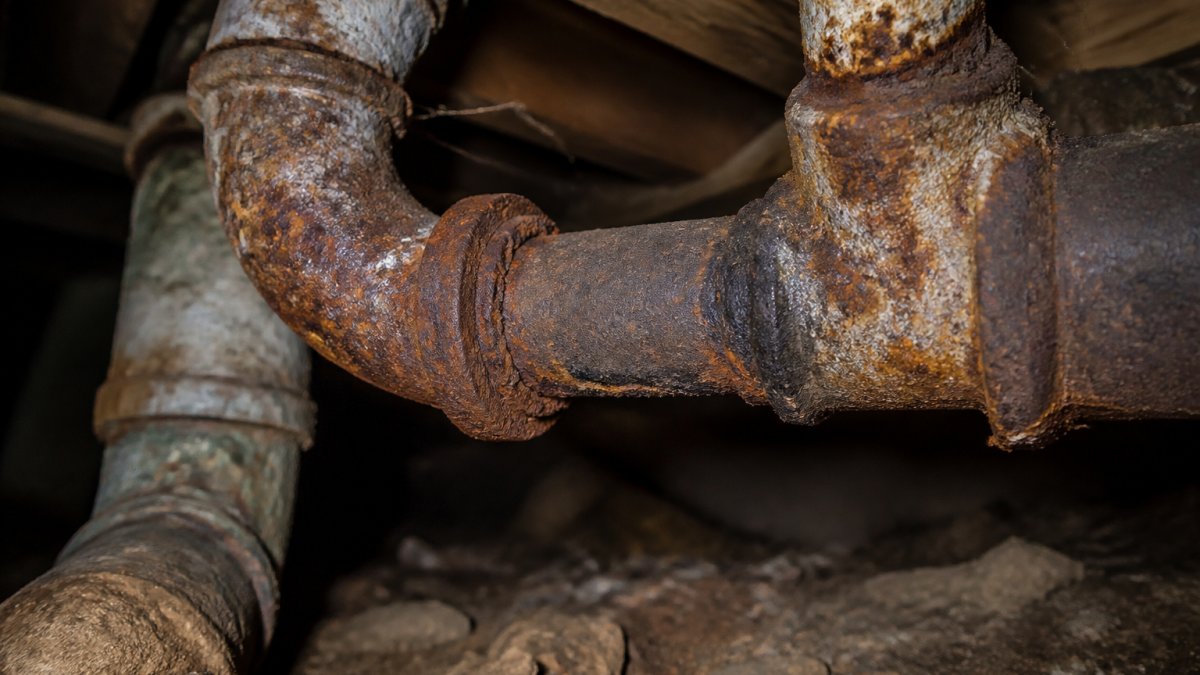
Cast-iron and galvanized steel pipes are vulnerable to chemical attack.
Erosion accelerates with repeated use: a pipe that survives one treatment may fail after the second or third.
Metal pipes from the 1950s and 1960s are especially at risk, having already lost much of their strength to corrosion.
PVC pipes and pipe joints at risk
PVC pipes are plastic but not immune: strong drain cleaners soften PVC and degrade the glue holding joints together.
When the adhesive fails, joints separate, leaking sewage into your crawlspace or basement, a health hazard that attracts pests.
The damage happens slowly. Weeks or months later you notice dampness or smell sewage, and by then repair costs have climbed.
DIY Drain Snake Risks and Why They Backfire
A drain snake seems safer than chemicals, but the reality is more complicated.
DIY drain snakes are short, rigid, and hard to control.
A professional plumber uses a motorized snake with the right length, flexibility, and control, feeling what they hit and adjusting pressure.
Worse, a DIY snake can get stuck inside the pipe, requiring professional equipment to remove.
Health Hazards: Toxic Chemical Exposure and Respiratory Risks
Chemical drain cleaners are poisons, whether in the pipe or on your skin.
Skin, eye irritation, and chemical burns
Drain cleaners splash, and even a small splash causes painful chemical burns that heal slowly and leave scars.
Eye exposure is worse: one splash risks permanent vision damage, and even tiny splashes cause intense pain and redness.
Gloves and goggles help but don’t eliminate risk: splashes find gaps, and one distracted moment is all it takes.
Harmful fumes and respiratory damage
Drain cleaners release toxic fumes that rise from the drain and travel through your home.
Breathing these fumes causes coughing, throat irritation, and chest tightness.
The fumes are invisible, so many people don’t realize they’re breathing dangerous air until symptoms start.
Ventilation helps but doesn’t eliminate the risk.
Safe Ways to Unclog a Drain Without Risking Your Pipes
No single method is safe for every aging pipe. The right choice depends on pipe material, system age, and where the clog sits: a method harmless in a 2015 PVC kitchen line can crack a 1958 cast-iron stack or strip the scale from galvanized steel. Use the decision tree below before you try anything.
Step 1: Identify what kind of clog you have
Before reaching for a tool, answer three questions:
- Is it one fixture or many? A single slow sink points to a localized clog in the trap or branch line. Multiple slow drains, gurgling toilets, or backup in a tub when you run the sink point to a main-line blockage.
- Is it recurring? A clog that returns within weeks after clearing usually means buildup, bellied pipe, or root intrusion, not a one-time blockage.
- Is the water backing up clean or dirty? Clean water backing up suggests a fixture or branch clog. Black or gray water, sewage smell, or backup from a floor drain points to the main line.
If you answer “many,” “recurring,” or “dirty,” stop. That signals a main-line or deteriorated-pipe problem, and DIY methods can push it deeper or damage already-weakened pipe. Call for a camera inspection.
Step 2: Match the method to the pipe material
Aging pipes are not interchangeable. Here is how the common nonchemical methods rank by material:
| Method | Cast iron | Galvanized steel | Copper | Older PVC (pre-1990) | Modern PVC/ABS |
|---|---|---|---|---|---|
| Boiling water | Caution: thermal shock can crack brittle cast iron | Caution: can loosen scale and worsen corrosion | Generally safe in small volumes | Safe if joints are sound | Safe |
| Baking soda + vinegar | Safe | Safe | Safe | Safe | Safe |
| Cup plunger | Safe with steady, moderate force | Safe with steady, moderate force | Safe | Safe | Safe |
| Hand auger/snake | High risk: can catch on rough interior and crack pipe | High risk: can snag on scale | Moderate risk: can scratch soft copper | Moderate risk: can damage glued joints | Generally safe |
| Hydro-jetting (professional) | Only with pressure tuned to pipe condition | Only after inspection | Generally safe | Generally safe | Safe |
Cast iron from the 1950s and 1960s is often brittle and channeled from corrosion; a slug of boiling water or a hand snake catching on a rough interior wall can crack it. Galvanized steel loses interior diameter to scale, and aggressive snaking can break that scale loose in sheets that re-clog the line downstream.
Step 3: Use the lowest-risk method first
Baking soda and vinegar is the safest starting point for any material.
A cup plunger is the next step for a single slow fixture.
A hand auger should be reserved for a single fixture with a trap-accessible clog, and only if the pipe is modern PVC or ABS.
Step 4: Know what not to do
- Do not combine methods. Never pour chemical cleaner after a plunger or snake has failed; the standing chemical can splash back when the clog releases.
- Do not use a drain bladder or high-pressure bag on aging pipe. These concentrate pressure at one point and are a common cause of joint failure in older systems.
- Do not run a power auger yourself. Rental units are unforgiving and can wind through a corroded pipe wall in seconds.
If the drain is slow but not fully blocked, start with baking soda and vinegar plus a weekly hot-water flush. If it is fully blocked, use a cup plunger on a single fixture. If neither works after two attempts, stop and call for a camera inspection rather than escalating to chemicals or a rented snake.
These methods take longer than a bottle of chemical cleaner, but they can help prevent a simple drain cleaning from escalating into a costly pipe replacement.
When to Call a Plumber for a Clogged Drain
Some clogs need professional help. Knowing when to call saves time and prevents damage.
Call a plumber if:
- The clog returns within a few weeks
- Multiple drains are slow or clogged
- Water backs up into your sink, tub, or toilet
Warning signs of pipe deterioration and hidden damage
Aging pipes show warning signs before they fail; catching them early prevents emergency repairs.
Slow drains that persist despite cleaning suggest a deeper blockage or pipe damage.
Damp crawlspaces or basements point to leaking pipes underground. Moisture feels cool and smells musty.
Noise from pipes when water runs, banging, clanging, or whistling, indicates loose pipes or pressure problems.
Patches of dead grass can signal a broken sewer line leaking underground: the sewage fertilizes grass, making it grow faster, then kills it as the leak worsens.
What to Do After Chemical Cleaner Has Already Been Used
Most drain-cleaning guides stop at “don’t use chemicals” and never say what to do if you already have. The wrong next step can cause a chemical burn, a toxic gas release, or a pipe failure. Follow these steps in order.
1. Stop and isolate the drain
Do not pour anything else down that drain, water, vinegar, or another cleaner, and do not plunge or snake it. Any of these can splash caustic or acidic cleaner back out or force it into an already weakened joint. Leave the stopper open so fumes escape upward.
2. Ventilate before you do anything else
Open windows and doors and turn on the exhaust fan. Caustic cleaners release fumes that irritate the throat and lungs, and acid-based products can release chlorine gas if they contact other cleaners. Leave the room if you feel coughing, chest tightness, or eye irritation, and call poison control at 1-800-222-1222 if anyone has symptoms (Contact us).
3. Never mix cleaners
This is the most common and dangerous mistake. Mixing a caustic cleaner (sodium hydroxide) with an acid cleaner (sulfuric or hydrochloric acid) can generate intense heat and splatter; mixing bleach with an acid can release chlorine gas (the CDC). If you’ve poured one product and are tempted to try another, stop, both are now in the same trap, and the reaction can happen the moment they meet.
4. Handle standing cleaner carefully
If the drain still holds standing cleaner, don’t bail it by hand. Wear chemical-resistant gloves and eye protection, and use a plastic cup or turkey baster dedicated to the task, never a kitchen utensil. Put the liquid in a plastic bucket, not metal, and dispose of it per the label.
5. Flush only after the label’s recommended time
Most caustic cleaners call for 15 to 30 minutes of contact time before flushing with hot water. Don’t exceed the label time; longer contact means more corrosion. Flush slowly with hot water and watch the drain. If water backs up again, the clog remains and the pipe holds diluted chemical, do not add more cleaner.
6. Watch for delayed damage
Chemical damage to aging pipe is often delayed. Over the next two to four weeks, check under sinks, in the basement, and in the crawlspace for:
- Damp spots or new water stains on ceilings and cabinet floors
- A sewage or chemical smell that was not there before
- Slow drainage that returns after a few days
Any of these signs means the cleaner has likely weakened a joint or eaten through a thin spot. Stop using the fixture and arrange an inspection.
7. Tell your plumber exactly what you used
When you call for service, have the product name and amount used ready. Plumbers need to know whether the standing liquid is caustic or acidic to wear the right protective equipment and avoid a reaction in their tools. If the label is gone, describe the product (gel, foam, or liquid; caustic or acid) and when it was poured.
If you have used chemical cleaner and the drain is still clogged, do not try a second product, a plunger, or a snake. The trap may hold a mixture that can splash or react. Call a licensed plumber and tell them what was used and when. Chemical damage to aging pipe often appears slowly, and a small leak that starts behind a cabinet can cause thousands of dollars in water damage before it is noticed.
If the cleaner has caused visible damage, cracks, pinhole leaks, or a joint that won’t hold, the pipe needs repair or replacement. A camera inspection shows whether the damage is localized or the whole run is compromised.
Frequently Asked Questions
Can drain cleaners damage pipes?
Yes. Chemical drain cleaners corrode metal and cast-iron pipes through sustained chemical reaction, weakening pipe walls over time. They also damage PVC pipes and pipe joints by degrading the plastic material. Repeated use accelerates deterioration, leading to leaks and costly repairs. Older pipes are especially vulnerable because they lack the protective coatings of modern plumbing.
Are chemical drain cleaners safe for old pipes?
No. Aging pipes, particularly cast-iron and galvanized metal systems, are far more susceptible to chemical damage. The combination of existing pipe corrosion and chemical exposure creates rapid deterioration. What might be a temporary fix for a newer home can result in burst pipes or sewage backups in an older home. Professional assessment is essential before using any chemical product.
When should I call a plumber for a clogged drain?
Call immediately if you notice slow drains that return after DIY attempts, recurring clogs in the same location, water backing up into multiple fixtures, or foul odors suggesting a deeper blockage. These signs indicate an underlying plumbing issue beyond surface debris. In older homes, any clog warrants professional inspection to rule out pipe deterioration, septic system problems, or collapsed sections that DIY methods will only worsen.
What is the safest way to unclog a drain in an older house?
Use a plunger with proper technique or a mechanical drain snake operated carefully to avoid puncturing weakened pipes. For stubborn clogs, hydro-jetting by a licensed professional is safe and effective without chemical exposure. Avoid boiling water on metal pipes and never mix drain products. A professional plumber can inspect your aging pipes first and recommend the method that won’t cause damage.