
Table of Contents
- What Is a Slab Leak and Why It Demands Immediate Action
- Signs and Symptoms of a Slab Leak
- Slab Leak Detection Cost and Methods
- Repair Options: Spot Repair vs. Repiping for Slab Leaks
- Factors That Influence Slab Leak Repair Cost
- Slab Leak Insurance Coverage and Claims
- Post-Repair Restoration and Long-Term Costs
- Getting a Reliable Estimate and Next Steps
- Frequently Asked Questions
Last Updated: September 19, 2026
What Is a Slab Leak and Why It Demands Immediate Action
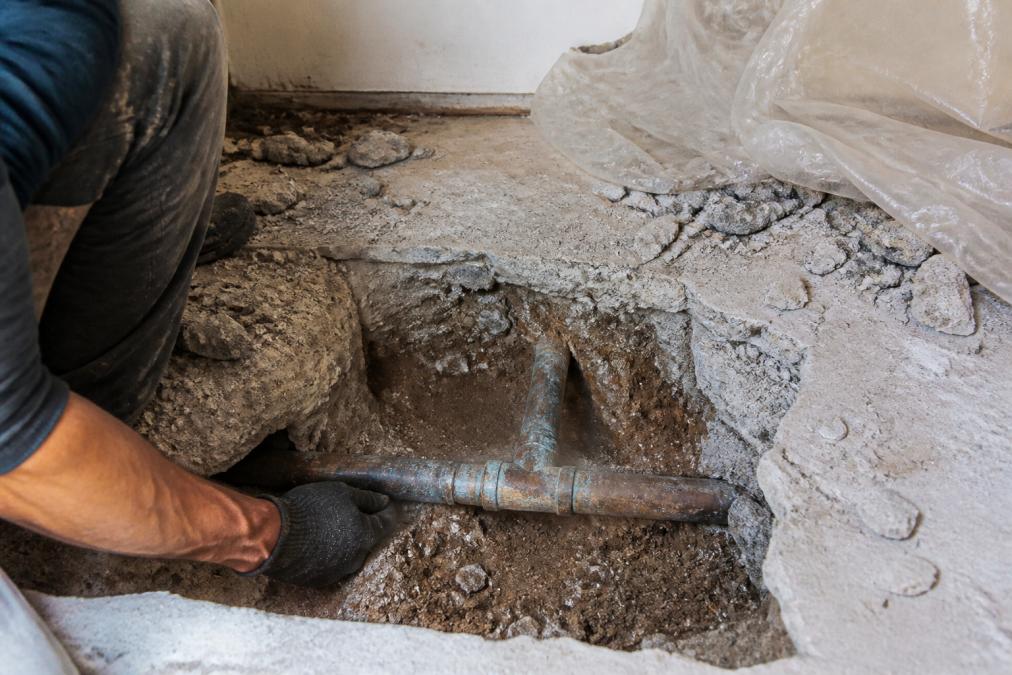
A slab leak is a water line break beneath your home’s concrete foundation. When pipes rupture or corrode, water escapes into the soil, compromising your foundation’s integrity and eroding support beneath your home.
Damage accelerates quickly, a small pinhole leak can become a major foundation settlement issue within weeks because slab leaks operate invisibly beneath your home.
Early detection and swift action are the difference between a manageable repair and catastrophic structural failure. The longer water saturates the soil beneath your foundation, the more extensive the repairs become.
Ignoring a slab leak can result in foundation cracks, uneven settling, and repair costs that exceed initial leak repairs by 300-400%. The water damage to your home’s structural integrity becomes exponentially more expensive the longer it persists.
Signs and Symptoms of a Slab Leak
A spike in your water bill without increased usage is the most common alert, a single pinhole leak wastes thousands of gallons monthly. Check your meter: if it’s running when no water is actively being used, you likely have a leak.
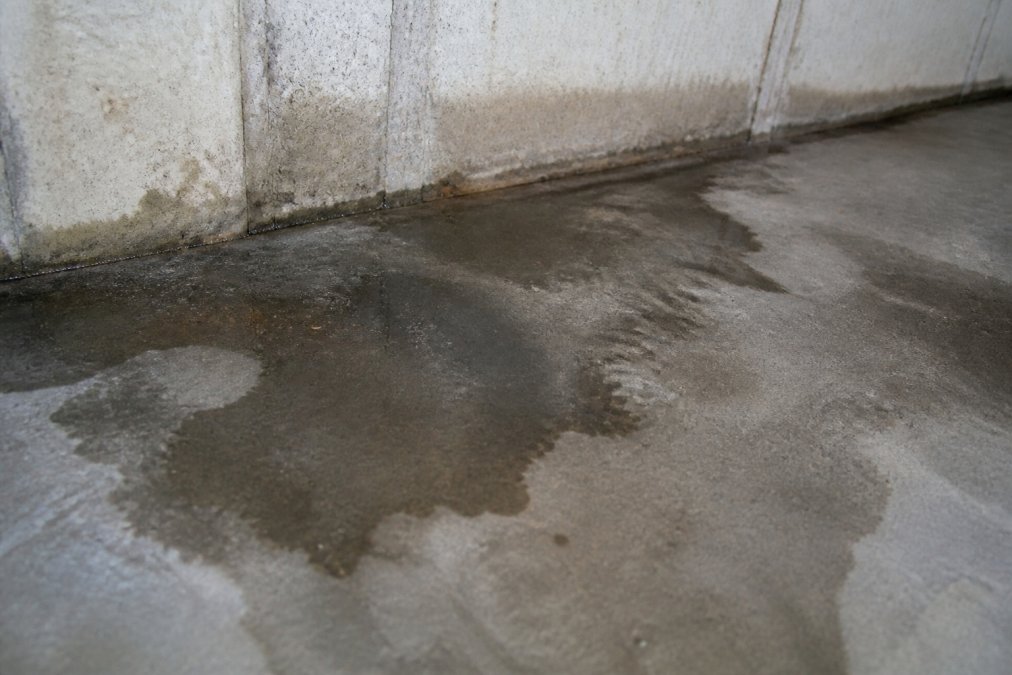
Listen for running water sounds beneath your floors, particularly at night. Warm spots on your floor indicate a rupture in a hot water line, which creates localized heat radiating upward through the slab.
Cracks in foundation walls, sticking doors, visible basement moisture, and mold odors all indicate active water damage. Contact a licensed plumber immediately, the longer you wait, the more expensive the slab leak repair cost becomes.
Slab Leak Detection Cost and Methods
Detecting a slab leak accurately requires professional equipment. Guessing the location leads to unnecessary concrete cutting and inflated repair costs.
Electronic leak detection traces water lines beneath your slab and identifies rupture points. A qualified technician can typically locate a leak within 1-2 hours.
Thermal imaging uses infrared cameras to detect temperature variations caused by escaping water. This non-invasive method is precise and takes 1-3 hours depending on your home’s size.
Hydrostatic pressure testing isolates sections of your plumbing system and measures pressure changes to identify which line is leaking. It typically takes 2-4 hours and is highly accurate.
Acoustic listening devices detect water escaping from pressurized lines using sensitive microphones. This method is fast (30-60 minutes) but works best when the leak is actively flowing.
This investment prevents costly guesswork, a contractor who cuts into your slab without confirming the leak location first costs you thousands in unnecessary patching.
Request electronic leak detection first, it’s affordable and accurate for most residential slab leaks. Reserve thermal imaging for complex cases where multiple lines run beneath your slab or when initial detection proves inconclusive.
Repair Options: Spot Repair vs. Repiping for Slab Leaks
Once the leak location is confirmed, you have three primary repair strategies. Each has distinct cost implications and long-term consequences.
Spot repair cuts into the concrete above the leak, accesses the damaged pipe, and patches or replaces that section. This is the least invasive and lowest-cost option for a single, isolated leak. Spot repairs typically resolve the emergency and restore normal water pressure within 24-48 hours.
Spot repair only fixes the current leak. If your pipes are corroded, other sections will fail within months or years, leading to repeated emergency calls. It’s a temporary fix for homes with systemic pipe deterioration.
Pipe rerouting bypasses the damaged section by installing new water lines through your attic, crawl space, or exterior walls. This eliminates future sub-slab leaks and costs less than full repipe because you’re only installing new lines where needed.
Rerouting works best for homes with multiple leaks or widespread corrosion. The new lines are accessible for future maintenance, reducing long-term repair costs.
Full re-piping replaces all water supply lines throughout your home with new copper, PEX, or other modern materials. This is the highest upfront cost but eliminates future slab leaks and corroded pipe failures for 40-50 years.
| Repair Method | Scope | Timeline | Best For |
|---|---|---|---|
| Spot Repair | Single leak only | 1-2 days | New homes, isolated failures |
| Rerouting | Bypass damaged section | 3-5 days | Corroded pipes, multiple leaks |
| Full Re-piping | All water lines | 5-7 days | Systemic deterioration, older homes |
Factors That Influence Slab Leak Repair Cost
Several variables determine the final bill for slab leak repair. Understanding these factors helps you anticipate costs and make informed decisions about which repair method makes financial sense for your situation.
Leak location is the primary cost driver. Leaks near the foundation perimeter cost less to repair. Leaks under tile flooring cost more to patch than those under carpet because flooring restoration is more complex.
Pipe material affects repair difficulty. Copper pipes are easier to repair but corrode over time. Cast iron pipes require specialized tools and expertise, increasing labor costs.
Foundation condition determines whether spot repair is viable. Homes with settled or cracked foundations often require rerouting or re-piping to prevent repeated emergencies.
Water damage extent adds post-repair restoration costs. Moisture remediation, mold treatment, and structural inspection all add to the total cost.
Concrete patching and flooring restoration varies by floor type. Tile, hardwood, or carpet restoration can equal or exceed the repair cost itself.
Emergency timing affects labor costs. Emergency calls outside business hours, on weekends, or during holidays may include overtime charges. Scheduling repair during regular business hours reduces labor costs significantly.
The cheapest repair option upfront isn’t always the most cost-effective long-term. A spot repair on a corroded pipe system often leads to repeated failures and multiple emergency calls. Rerouting or re-piping may cost more initially but prevents future slab leak emergencies and protects your foundation.
Slab Leak Insurance Coverage and Claims
Standard homeowners policies typically exclude damage caused by water leaks, including slab leaks. However, specific circumstances may qualify for coverage.
Sudden, accidental damage is sometimes covered if the leak results from an unforeseen event, a pipe rupture from freezing, a sudden structural failure, or damage from external impact. The key word is “sudden.” Gradual corrosion or slow leaks are excluded because they’re considered maintenance failures, not accidents.
Check your policy language carefully. Some policies cover the cost of locating the leak but exclude repair costs. Others cover repair but not foundation damage or water damage mitigation. Many exclude any water damage occurring outside your home’s interior, which eliminates coverage for sub-slab leaks entirely.
File a claim promptly. If you believe your slab leak qualifies for coverage, notify your insurance company immediately. Document the damage with photos and keep all repair estimates. Insurance adjusters will inspect the damage and determine coverage based on your specific policy terms.
Get a second opinion from your contractor. Insurance companies sometimes deny valid claims. If your claim is denied, ask Alpha Rooter & Plumbing to review the denial letter. We can often identify coverage language that supports your claim and help you appeal the decision.
Most slab leak repairs are not covered by standard insurance, which means the homeowner bears the full cost. This is why early detection and swift action matter, the sooner you address the leak, the lower your repair costs will be.
Post-Repair Restoration and Long-Term Costs
The repair itself is only part of the expense. Post-repair restoration often equals or exceeds the plumbing work cost, depending on the damage extent and your home’s finishes.
Concrete patching and sealing is required after any slab access. A professional patch is level with surrounding concrete and sealed to prevent future moisture intrusion. Poor patching leads to cracking and water infiltration in the same location.
Flooring restoration varies dramatically by floor type. If your flooring is original or rare, restoration costs can exceed repair costs significantly.
Moisture remediation and mold treatment becomes necessary if water has saturated soil beneath your slab for extended periods. Ignoring moisture issues creates health hazards and structural problems that compound over time.
Foundation inspection and stabilization may be required if the leak caused settlement or cracking.
Preventive re-piping or rerouting is often recommended after a major slab leak to prevent future emergencies.
Getting a Reliable Estimate and Next Steps
When you contact a plumber for a slab leak estimate, you’re making one of the most important decisions in protecting your home. The wrong contractor or repair choice costs thousands in unnecessary work or repeated failures.
Frequently Asked Questions
How expensive is it to repair a slab leak?
Slab leak repair cost varies significantly based on the detection method, repair approach, and pipe location. Spot repairs typically run lower than full repiping. Factors like concrete cutting depth, pipe material, and whether you need foundation restoration all affect the final bill. Contact a licensed contractor for an accurate estimate specific to your situation.
What is the difference between spot repair and repiping for slab leaks?
Spot repair targets only the leaking section, minimizing concrete cutting and restoration work. Repiping replaces the entire water line, eliminating future leak risk on that line but requiring more extensive excavation and concrete patching. Spot repair costs less upfront but carries higher risk of future leaks. Repiping costs more but provides long-term peace of mind, especially in older homes with corroded pipes.
Will homeowners insurance cover a slab leak?
Most standard homeowners insurance policies exclude gradual water damage from slab leaks. However, sudden, accidental damage (like a burst pipe from freezing) may be covered. Water damage mitigation and restoration costs may qualify under certain conditions. Review your homeowner insurance policy or contact your insurer directly to confirm coverage. Document the leak with photos and get a professional assessment to support any claim.
How long does emergency slab leak repair take?
Detection typically takes 1-3 hours using acoustic listening devices, thermal imaging, or hydrostatic pressure testing. Actual repair time depends on the method: spot repairs may take 4-8 hours, while full repiping can take 2-3 days or longer. Concrete patching and flooring restoration add additional time. Licensed contractors can provide a timeline after assessing the leak location and extent.
How do I know if I have a slab leak versus another plumbing issue?
Common signs include unexplained high water bills, warm spots on floors, cracks in concrete, mold or moisture in crawl spaces, and water pressure drops. However, these symptoms can indicate other problems. Professional leak detection equipment, electronic detection, acoustic listening devices, or thermal imaging, confirms a slab leak. A plumbing inspection by a licensed contractor is the only reliable way to diagnose the issue accurately.
Comments are closed