
Table of Contents
- Typical Duration for Main Sewer Line Cleaning
- What Affects How Long Sewer Line Cleaning Takes
- How Long to Clear a Sewer Line Clog by Method
- Main Sewer Line Cleaning Process and Timeline
- Sewer Camera Inspection Time and What It Reveals
- What Can Extend Your Appointment
- How to Prepare and What to Expect During Service
- Preventive Maintenance and Cleaning Frequency
- Frequently Asked Questions
Last Updated: October 10, 2026
Typical Duration for Main Sewer Line Cleaning
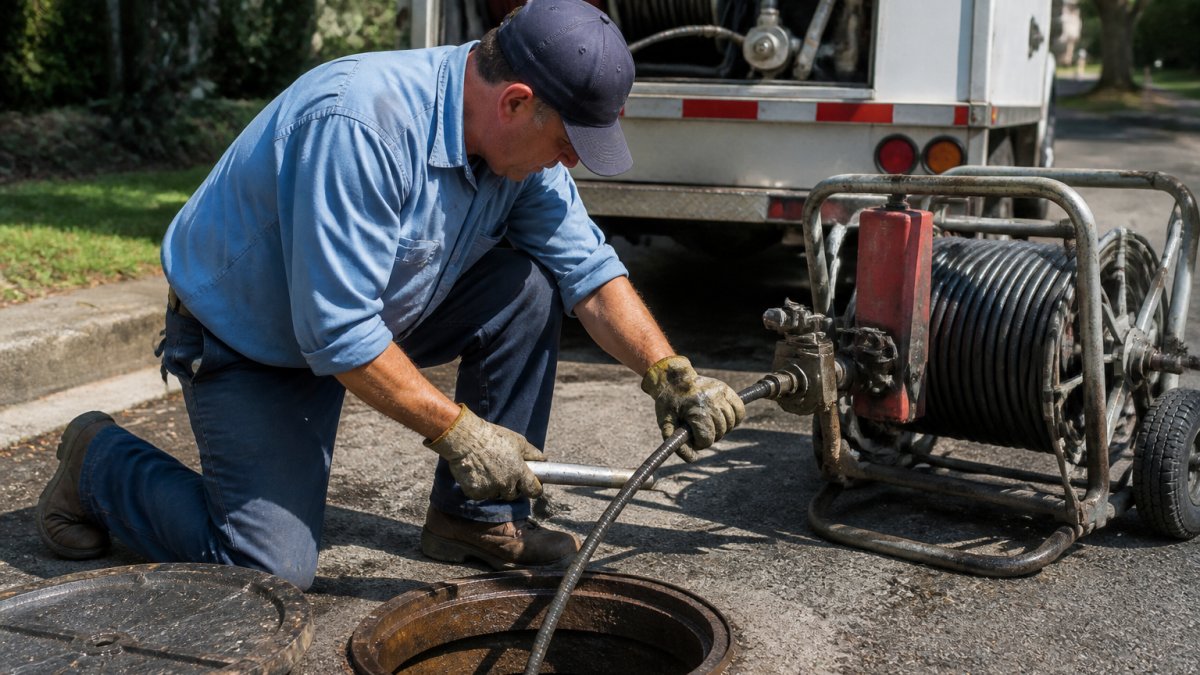
Main sewer line cleaning typically takes between two to four hours for a standard blockage removal. However, the actual time depends heavily on what’s causing the problem and how accessible your cleanout is.
For routine preventive cleaning with no major blockages, you’re looking at the shorter end: 30 minutes to two hours. The plumber runs a snake through the line, flushes it, and verifies flow. That’s straightforward work.
When there’s an actual clog or backup, the appointment stretches longer. Tree roots, grease buildup, or broken pipes mean more diagnostic time and more aggressive cleaning methods. That’s when you hit the three to four hour range.
Giving homeowners realistic expectations matters. Most people ask “how long will this take?” because they need to plan their day. The honest answer: it depends on severity, but plan for two to three hours minimum if you’re dealing with a backup.
Call ahead and describe what you’re experiencing, backups, slow drains, sewage smell. This helps the technician come prepared with the right equipment and gives you a more accurate time estimate.
What Affects How Long Sewer Line Cleaning Takes
Several factors determine whether your main sewer line cleaning appointment runs 30 minutes or five hours. Understanding these helps you set realistic expectations.
Blockage severity and location
A partial clog near the cleanout access point clears fast. A complete blockage deep in the line takes much longer.
Minor blockages, where water still drains slowly, respond quickly to snaking. The plumber breaks through the debris, water flows again, and you’re done.
Severe blockages where nothing drains at all demand more work. The plumber must clear the entire obstruction, which means multiple passes with different tools. A complete backup caused by tree roots or collapsed pipe sections can extend your appointment to four or five hours.
Location matters too. If your cleanout is in the front yard near the street, the plumber accesses the main line easily. If it’s buried under a deck or inaccessible, setup and access time adds 30 minutes to an hour.
Pipe age and material
Older pipes complicate cleaning. Cast iron pipes from the 1950s and 1960s are prone to corrosion, scale buildup, and internal collapse. These require gentler handling and sometimes multiple cleaning passes.
Modern PVC pipes clean faster because they’re smoother and more durable. A snake moves through them without catching on rough spots.
Clay pipes, common in very old homes, are fragile. Aggressive hydro jetting can crack them, so plumbers use lower pressure and take more time to avoid damage.
Pipe condition assessment happens during the inspection. If your pipes show significant wear, the cleaning process slows down because the technician prioritizes preventing further damage over speed.
Access to the cleanout
The sewer cleanout is your entry point to the main line. Easy access means faster work. Difficult access means delays.
A cleanout in your basement or crawl space takes minutes to reach. One buried three feet underground takes longer to excavate. One under concrete or asphalt requires cutting access, which adds time and cost.
Some older homes don’t have a cleanout in the standard location. The plumber must locate it or create temporary access. This can add 30 minutes to an hour to your appointment.
How Long to Clear a Sewer Line Clog by Method
Different cleaning methods take different amounts of time. The method your plumber chooses depends on the blockage type and pipe condition.
Drain snaking and mechanical augers
Drain snaking is the fastest method for most clogs. A motorized auger rotates a cable through the line, breaking up the blockage. This typically takes 30 minutes to 90 minutes depending on blockage depth and severity.
The plumber feeds the snake into the cleanout, works it through the line, and breaks the clog into pieces small enough to flush through. For grease clogs or soft debris, this works quickly.
For stubborn clogs or tree roots, snaking takes longer. The plumber may need to make multiple passes, backing the snake out and re-feeding it to fully clear the line. This can extend the appointment to two hours.
Snaking works best on blockages within 50 to 100 feet of the cleanout. Beyond that distance, the cable loses effectiveness and you need a different approach.
Snaking alone doesn’t remove all debris from pipe walls. You may have slow drains again within months if grease or scale buildup remains. Many plumbers follow snaking with hydro jetting for complete cleaning.
Hydro jetting sewer line technology
Hydro jetting uses high-pressure water to blast away blockages and clean pipe walls. It’s more thorough than snaking but takes longer.
A typical hydro jetting appointment runs 90 minutes to three hours. The plumber inserts a special nozzle into the cleanout, pressurizes water to 4,000 PSI or higher, and forces it through the line. The pressure breaks up blockages and scours away grease, scale, and buildup.
Hydro jetting is essential for recurring clogs because it cleans the entire pipe interior, not just the blockage. However, it requires careful technique on older pipes. The plumber must test water pressure and monitor the line to avoid damaging cast iron or clay pipes.
For severely blocked lines or pipes with heavy grease buildup, hydro jetting takes the full three hours. For light cleaning or preventive maintenance, it might finish in 90 minutes.
Main Sewer Line Cleaning Process and Timeline
Understanding the step-by-step process helps you know what to expect during your appointment.
Initial inspection and diagnosis (15-30 minutes)
The plumber starts by asking questions: when did backups start, which drains are affected, what do you smell or see. This information points to the problem location.
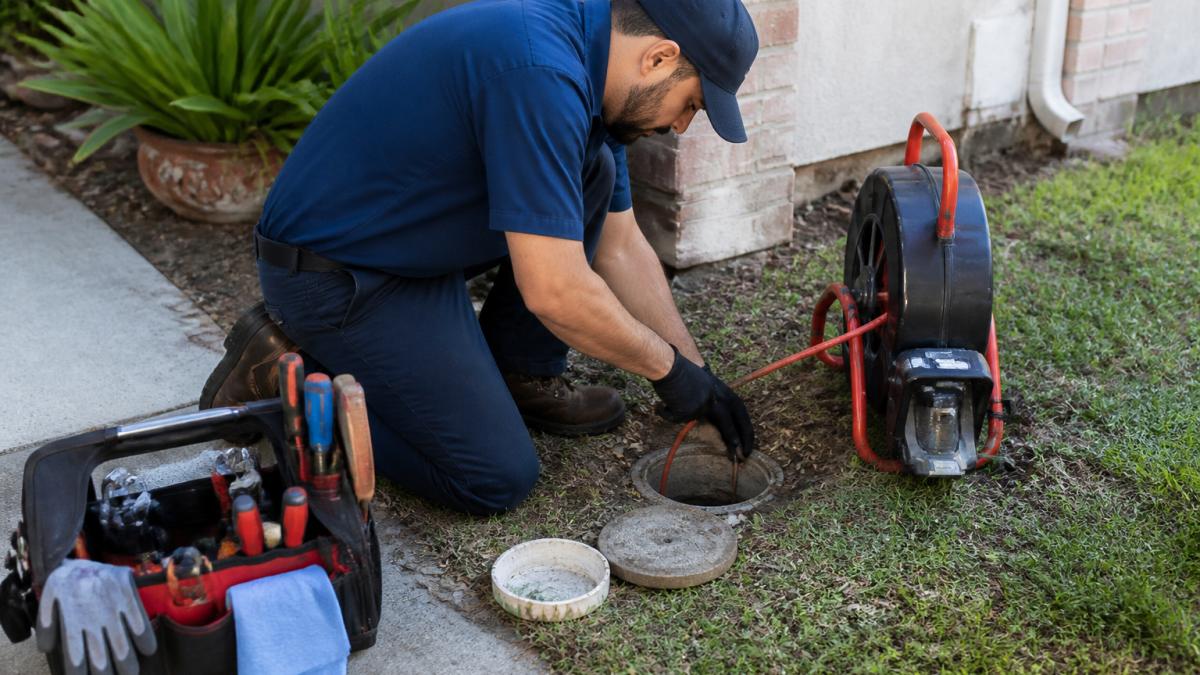
Next comes the camera inspection.
The camera reveals tree roots, grease clogs, broken pipes, or scale buildup. The plumber uses this information to choose the right cleaning method.
Service visit timeline (2-4 hours total)
After diagnosis, the actual cleaning begins.
For snaking: the plumber positions equipment at the cleanout, feeds the auger into the line, and works it through the blockage.
Between cleaning methods, the plumber may need to remove debris from the cleanout access, adjust equipment, or make additional passes. This adds 15 to 30 minutes.
Verification and testing (15-30 minutes)
Once cleaning is complete, the plumber verifies the line is clear. They run water through the cleanout and observe flow.
Testing takes 15 to 30 minutes. The plumber checks that water drains freely and that no debris remains in the line.
Sewer Camera Inspection Time and What It Reveals
A sewer camera inspection is often the first step in diagnosing blockages. It saves time because it shows exactly what’s wrong instead of guessing.
Camera inspection typically takes 15 to 45 minutes depending on how far the line extends and whether the plumber needs to inspect multiple sections.
The camera is a small waterproof device on a flexible rod or cable. The plumber feeds it into the cleanout and watches a monitor as the camera travels through the line. They can see tree roots breaking through the pipe, grease and scale buildup, cracks, collapsed sections, and debris.
The camera reveals the blockage location, severity, and cause. This determines whether snaking, hydro jetting, or repair is needed. Without a camera, the plumber must guess and try different methods, which wastes time.
Most plumbers include a camera inspection in their diagnosis because it speeds up the cleaning process and prevents unnecessary work. We use camera inspection to give you an accurate picture of what’s happening in your line before we recommend a solution.
What Can Extend Your Appointment
Several factors can turn a two-hour job into a five-hour appointment.
Multiple blockages extend time significantly. If your line has two or three separate clogs at different locations, the plumber must clear each one. This doubles or triples the cleaning time.
Debris removal adds time. If the blockage contains large objects, tree branches, roots, broken pipe sections, the plumber must manually remove them before flushing.
Pipe damage discovered during inspection can extend the appointment.
Difficult access to the cleanout delays everything. If it’s buried, blocked by landscaping, or under concrete, the plumber must spend time locating and accessing it. Plan for an extra 30 minutes to an hour.
Equipment issues occasionally happen. If the snake gets stuck or the hydro jetting nozzle clogs, the plumber must troubleshoot and clear the equipment. This adds 15 to 30 minutes.
Old or fragile pipes require slower, more careful work. Cast iron and clay pipes cannot handle aggressive pressure. The plumber must use lower settings and monitor closely, which slows the process.
The difference between a quick cleaning and a long appointment usually comes down to blockage severity and pipe condition. Simple clogs in good pipes finish fast. Severe blockages or damaged pipes take much longer.
How to Prepare and What to Expect During Service
Preparing your home helps the appointment run smoothly and safely.
Before the plumber arrives:
Clear the area around your cleanout access. If it’s in your yard, remove landscaping, toys, or parked cars.
Locate your water main shut-off valve and your cleanout access point.
If you have pets, keep them indoors or in another area.
Turn off any active water use, no showers, laundry, or dishwashing, until the plumber finishes.
During the appointment:
The plumber will ask detailed questions about your symptoms. Answer honestly, this helps them diagnose faster.
They’ll set up equipment near the cleanout and may need to open the access point. This can release odors.
You’ll hear motor noise and water running.
If they’re using hydro jetting, pressure is high and the process is loud. This is normal.
The plumber will likely keep you updated on progress and what they’re finding.
After cleaning is complete:
The plumber will show you the camera footage or explain what they found and removed.
Ask about preventive maintenance. Regular cleaning every 18-24 months prevents most backups.
Get a written receipt and any warranty information about the work performed.
Preventive Maintenance and Cleaning Frequency
Regular main sewer line cleaning prevents expensive backups and emergencies.
Most homes benefit from preventive sewer line cleaning every 18 to 24 months. This schedule prevents buildup from becoming a blockage.
Homes with older pipes (cast iron or clay) should clean more frequently, every 12 to 18 months. These pipes are more prone to scale buildup and root intrusion.
Homes with large trees nearby need more frequent cleaning because roots actively grow into pipes. Every 12 months is wise if you have mature trees within 20 feet of your line.
Restaurants and commercial kitchens with grease traps need even more frequent cleaning, sometimes every 3 to 6 months, because grease accumulates rapidly.
When you schedule preventive cleaning, the appointment is quick, usually 30 minutes to an hour.
Alpha Rooter & Plumbing recommends discussing your cleaning schedule during your appointment. Factors like pipe age, tree proximity, and your home’s drainage history determine the right frequency for you.
Sewer backups disrupt your home, damage property, and create health hazards. Understanding how long main sewer line cleaning takes helps you plan ahead and avoid emergencies.
Frequently Asked Questions
How long does it take a plumber to clean a main sewer line?
Main sewer line cleaning typically takes 1 to 3 hours for routine blockages caused by debris or buildup. Complex jobs involving tree root intrusion or severe pipe damage may extend to 4-6 hours or require multiple visits. The actual duration depends on blockage location, severity, pipe condition, and whether a camera inspection is needed first to diagnose the problem.
How long does sewer camera inspection time take?
A sewer camera inspection usually takes 30 minutes to 1 hour. The technician feeds a waterproof camera through the cleanout to identify the exact blockage location, pipe damage, or root intrusion. This diagnostic step helps determine whether drain snaking, hydro jetting, or repair is needed, making it essential for accurate service estimates.
Does hydro jetting take longer than drain snaking?
Hydro jetting typically takes 1-2 hours, slightly longer than mechanical snaking (30 minutes to 1 hour), but it removes more debris and buildup from pipe walls. Hydro jetting is more thorough for grease, mineral deposits, and root fragments, making it worth the extra time for recurring clogs or older pipes with significant accumulation.
What affects how long main sewer line cleaning takes?
Duration depends on blockage severity and type, pipe age and material (older cast iron pipes take longer), distance to the blockage from the cleanout, whether tree roots are involved, and access difficulty. Frozen ground, buried cleanouts, or multiple blockages can add significant time. A professional diagnosis helps predict the appointment length accurately.
Comments are closed