
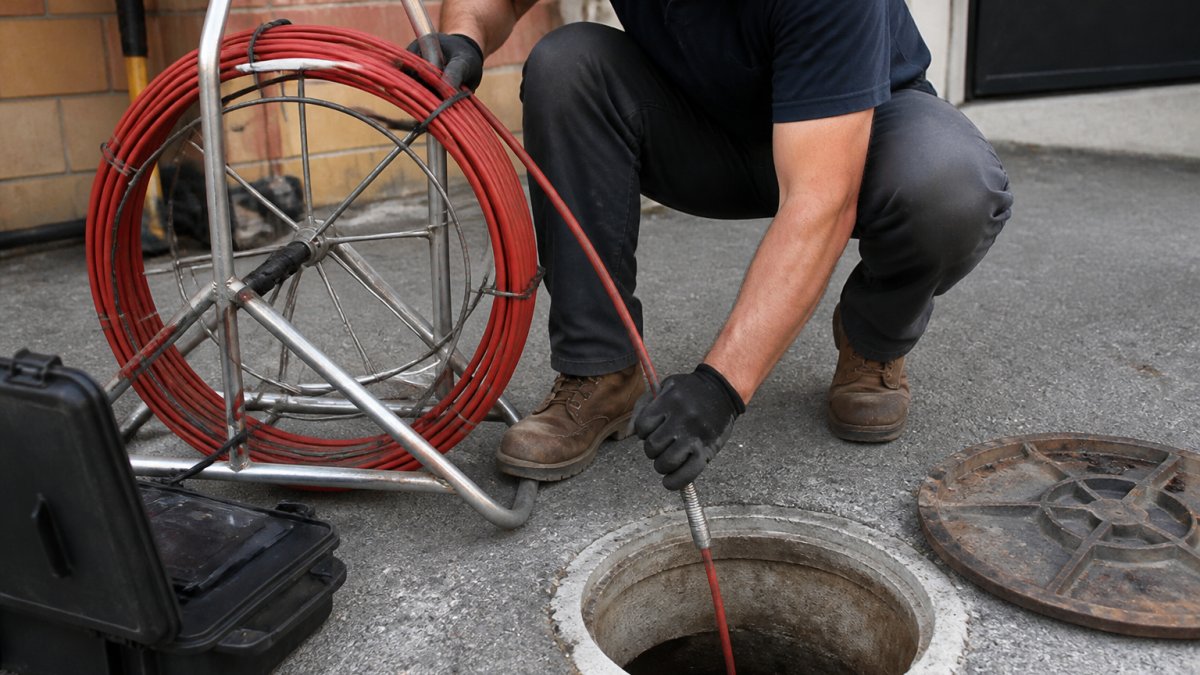
Last Updated: October 24, 2026
Quick Summary
When sewer inspection cracks are found, first determine if there is active leakage or if the crack is stable, then choose a repair method based on severity and location. Active leakage requires immediate service, while stable hairline cracks can be scheduled as planned repairs using spot repair, pipe lining, pipe bursting, or excavation.
- Active leakage or sewage surfacing requires urgent service the same day to prevent health hazards and soil contamination.
- Hairline cracks under 1/8 inch with no active leakage can be monitored and repaired on your timeline rather than immediately.
- Pipe lining works best for isolated cracks in round, structurally sound pipes but fails if the pipe is deformed, collapsed, or heavily root-infested.
- Excavation and replacement is necessary for collapsed sections, multiple severe defects, or when prior repairs failed.
- Ask contractors to specify crack width in inches, pipe material, whether roots are present, and exact distance from your cleanout before comparing repair quotes.
Table of Contents
- Understand What the Sewer Inspection Found
- Reading Your Sewer Camera Inspection Report
- Take Immediate Steps to Limit Wastewater Damage
- Sewer Line Repair Options and How to Choose
- Questions to Ask a Plumber About Sewer Repair
- Understand Sewer Line Repair Time and What Affects It
- Schedule Your Professional Sewer Assessment Today
- Frequently Asked Questions
Understand What the Sewer Inspection Found
A sewer inspection uses a small camera to look inside your pipes and find problems. Understanding what happens during the inspection process helps you interpret your results.
Most cracks fall into a few patterns. Some are minor. Others demand immediate repair. Your job is to figure out which one you have.
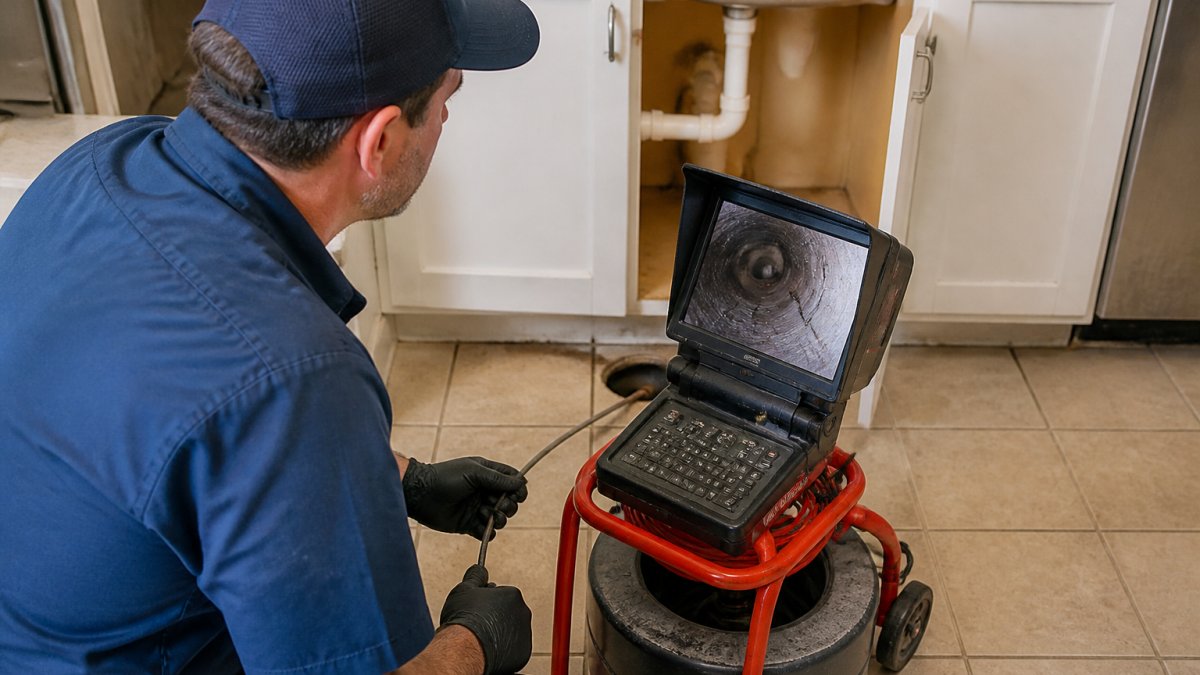
How cracks and breaks are identified by camera inspection
The technician pushes a small camera through your cleanout; it sends live video to a monitor above ground, recording each crack’s exact location, width, and whether water is actively leaking out.
Cracks show up as dark lines or gaps in the pipe wall. Root intrusion looks like hair or roots growing through the pipe. Offset pipes create visible steps, and collapsed sections appear as crushed or missing pipe material.
Common sewer inspection findings and pipe defects
Most older sewer lines develop cracks over time, especially cast iron pipes from the 1950s and earlier. Tree roots seek out moisture and push into small cracks, making them worse.
Common findings include:
- Longitudinal cracks, run the length of the pipe, often from settling or age
- Circumferential cracks, circle the pipe, usually from ground movement or pressure
- Joint separation, where two pipe sections meet, they pull apart
Not every crack needs immediate repair. A hairline crack with no active leakage may stay stable for years. A crack that’s actively leaking sewage into your yard needs attention now.
Reading Your Sewer Camera Inspection Report
Your inspection report maps where problems are, how bad they are, and what to do next. Most homeowners glance at the video and price, then miss the details that determine whether they need an emergency call or a planned repair.
A good report includes:
- Video footage, the actual camera recording of your sewer line
- Still images, photos of specific problem areas marked with distance measurements
- Severity rating, how serious each defect is (minor, moderate, severe)
Read the report carefully. Ask questions about anything you don’t understand. The technician should explain what they saw and why it matters.
How to interpret the camera footage and report details
When you review the footage, ask about these specifics, they change the repair decision more than the word “crack” does:
- Crack length and width. A hairline crack under 1/8 inch is different from one over 1/4 inch. Ask for the measurement in inches, not a vague label.
- Crack orientation. Longitudinal cracks run along the pipe; circumferential cracks circle it. Circumferential cracks in cast iron often signal ground movement or pressure and can progress to a full break.
- Pipe material. Cast iron, clay, PVC, and orangeburg each fail differently. Cast iron cracks and corrodes; clay cracks and offsets at joints; orangeburg deforms and collapses. The material tells you what repair methods will actually hold.
Ask the technician to mark each defect’s distance from the cleanout or foundation on the report. That number determines access difficulty, permit scope, and cost, and it lets you compare quotes apples to apples.
Crack location and severity: a triage decision tree
Where a crack is located and how severe it is should drive your next action.
Step 1, Is there active leakage or sewage surfacing?
Step 2, Is the pipe collapsed, offset, or heavily root-infested?
A collapsed section, significant offset, or heavy root intrusion means the line cannot be reliably lined and may be at risk of backup.
Step 3, Is the crack stable and isolated?
A hairline crack with no active leakage, in otherwise sound pipe, is a “watch and wait” situation.
Signs of active leakage and root intrusion
Active leakage is the biggest red flag: escaping sewage contaminates soil and groundwater and is a health hazard. Signs include wet spots around the crack, sewage visible outside the pipe, soil discoloration or staining, odor near the defect, and water pooling in that area.
Root intrusion is the second major concern. Roots follow moisture, push through cracks, and grow inside the pipe until they block the line.
If your report shows active leakage or heavy root intrusion, don’t delay, these problems get worse without repair.
Take Immediate Steps to Limit Wastewater Damage
Once you know there’s a crack, limit sewer use as much as possible. It sounds extreme, but it’s temporary and it matters.
Here’s what to do right now:
- Stop running water, limit showers, laundry, and dishwashing until you schedule a repair
- Avoid flushing unnecessarily, use the toilet only when essential
- Don’t pour grease down drains, grease hardens in cracks and makes blockages worse
- Keep water away from the damaged section, if the crack is under your yard, avoid watering that area
- Document the damage, take photos of wet spots, odors, or yard issues for your repair estimate and insurance claim
If you see sewage pooling in your yard or backing up into your home, call for emergency service immediately. Learn about the health risks of broken sewer pipes to understand why prompt action matters.
Health risks of broken sewer pipes explain contamination dangers
Untreated sewage exposure can cause serious illness, keep children and pets away from affected areas.
Property managers of multi-unit buildings should notify tenants and restrict water use building-wide until repairs are complete.
Sewer Line Repair Options and How to Choose
You have four realistic repair paths for a cracked sewer line: spot repair, pipe lining (CIPP), pipe bursting, and open-cut excavation with replacement. The right choice depends on crack location, severity, pipe material, and how much disruption you can tolerate, each method has situations where it is the best answer and situations where it will fail or waste money.
Spot repair: targeted fix for isolated defects
A spot repair cuts out or sleeves a short damaged section, typically a few feet, rather than treating the whole run. It is the least expensive option when the crack is isolated and the surrounding pipe is sound.
- Best for: a single circumferential crack, a failed joint, or a short section of root intrusion where the rest of the line inspects clean.
- Unsuitable when: cracks are scattered along the run, the pipe is corroded or thin-walled throughout, or the defect sits under a slab or deep landscaping that makes digging costly.
- Trade-off: you fix today’s problem but leave the rest of the pipe as-is. If the line is 50+ years old cast iron, expect to revisit it.
Pipe lining (CIPP): seal cracks without digging
Pipe lining inserts a resin-saturated felt tube into the existing pipe, inflates it against the walls, and cures it in place to form a new structural pipe inside the old one. It is the go-to trenchless method for cracks under driveways, patios, and finished landscaping.
- Best for: longitudinal and circumferential cracks, joint separation, and moderate corrosion in pipes that are still round and structurally intact.
- Unsuitable when: the pipe has lost its circular shape (oval or deformed), has a significant offset or belly, is collapsed, or has heavy root intrusion that was not cleared first. Lining over roots or a deformed pipe produces a liner that fails prematurely.
- Trade-off: higher upfront cost than spot repair, and it reduces inside diameter slightly. It also does not fix the cause of ground movement that cracked the pipe.
Pipe bursting: replace the pipe while trenchless
Pipe bursting pulls a bursting head through the old pipe, fracturing it outward while pulling new HDPE pipe into the same path. It replaces the full run with minimal surface digging.
- Best for: severely deteriorated or root-infested lines where lining won’t hold, and where you want new pipe without a full open trench.
- Unsuitable when: the existing pipe is too deep, has tight bends, or shares a trench with utilities that could be damaged by the bursting force. It also requires launch and reception pits.
- Trade-off: more expensive than lining and not appropriate for every lot layout.
Open-cut excavation and replacement
Excavation digs up the damaged section and replaces it with new PVC or HDPE pipe. It is the most invasive method but sometimes the only safe option.
- Best for: collapsed pipe, multiple severe defects along a run, heavy root intrusion, degraded pipe that cannot hold a liner, and failed prior repairs.
- Unsuitable when: the pipe runs under a foundation, mature trees, or hardscape you cannot replace, though these are cost problems, not always deal-breakers.
- Trade-off: highest disruption and restoration cost, but you get new pipe with a 50+ year service life and no restrictions on future digging.
How to compare quotes and what drives cost
Repair costs vary widely by region, access, and pipe depth, so treat any single number as a range. Spot repairs are usually least expensive, lining mid-range, and full excavation or pipe bursting highest, but a shallow, accessible excavation can undercut a deep lining job. Ask each contractor to itemize:
- Camera inspection and locating
- Permit fees (most jurisdictions require a sewer repair permit)
- Excavation, shoring, and restoration
Be skeptical of a quote that recommends lining for a collapsed or offset pipe, or excavation for a single isolated crack in otherwise sound pipe. The method should match the defect, not the contractor’s equipment.
EXTERNAL_LINK: Benefits of trenchless sewer repair for homeowners | this website
When excavation or pipe replacement is necessary
Excavation is necessary when the pipe is collapsed, multiple sections are severely damaged, root intrusion is too heavy for lining, the material is too degraded to hold a liner, or prior repairs failed.
Benefits of excavation:
- Completely replaces the damaged section with new material
- Solves root intrusion permanently
- Gives you a fresh start with a pipe that will last 50+ years
EXTERNAL_LINK: Sewer line repair permit requirements guide homeowners through local regulations | this website
The choice comes down to damage severity, pipe condition, and your tolerance for yard disruption. A cracked but stable pipe under your patio? Lining works. A collapsed section under your foundation?
Each repair method works best for specific types of damage and has distinct trade-offs.
| Repair Method | Best For | Not Suitable When | Key Trade-off |
|---|---|---|---|
| Spot repair | Single isolated crack or failed joint | Cracks scattered along run or deep under slab | Leaves rest of old pipe as-is |
| Pipe lining (CIPP) | Longitudinal and circumferential cracks | Pipe deformed, collapsed, or heavy root intrusion | Higher cost; reduces diameter slightly |
| Pipe bursting | Severely deteriorated or root-infested lines | Pipe too deep, tight bends, or near utilities | More expensive; requires launch and reception pits |
| Open-cut excavation | Collapsed pipe or multiple severe defects | Pipe under foundation or mature trees | Highest disruption but new 50+ year pipe |
Questions to Ask a Plumber About Sewer Repair
Before you hire someone to fix your sewer line, ask these questions. The answers tell you whether they understand your situation and whether they’re being straight with you.
-
“What exactly did the camera show, and where is the damage located?”, They should reference specific measurements. If they’re vague, get a second opinion.
-
“Is this crack actively leaking, or is it stable?”, Active leakage changes urgency and method. Don’t let them push repair on a stable crack.
-
“What repair method do you recommend, and why?”, They should explain why one method beats another for your situation. If they push the most expensive option without justifying it, be skeptical.
-
“How long will the repair take?”, Honest answer: 1-2 days for lining, 3-7 days for excavation. If they say “maybe a week” for lining, they’re not being clear.
-
“What’s included in your upfront price?”, Ask if that’s what you’re getting. If the price can change once work starts, ask what conditions would trigger a change.
-
“Do you guarantee the repair?”, Most reputable companies warranty their work for 1-5 years. Ask what’s covered.
-
“Will I need a permit?”, Most sewer repairs require a permit from your local authority. If they say no, they’re cutting corners.
-
“How do I prepare my property?”, They should tell you what to expect and how to prepare.
Understand Sewer Line Repair Time and What Affects It
Repair timelines vary. A simple pipe lining takes 1-2 days. A full excavation and replacement can take a week or more.
Factors that affect timeline:
- Repair method, lining is faster than excavation
- Damage length, longer damaged sections take longer to repair
- Pipe depth, deeper pipes take longer to access
Ask your plumber for a realistic timeline based on your job. Honest contractors give a range like “2-3 days”; a single day promised for a complex repair means they’re rushing or guessing.
Schedule Your Professional Sewer Assessment Today
You now know what cracks mean, how to read your inspection report, and what your repair options are.
Don’t wait on sewer inspection cracks, a hairline crack today can become a major leak in 6 months, and active leakage contaminates soil and creates health hazards.
Alpha Rooter & Plumbing responds to sewer emergencies 24/7 with under 90-minute response times. We provide upfront pricing with no hidden fees, use state-of-the-art diagnostic and repair tools, and explain your options clearly. Our licensed plumbers have experience with cracked sewer lines across older neighborhoods with cast iron pipes and newer systems alike.
EXTERNAL_LINK: How to prepare for sewer camera inspection helps homeowners get ready | this website
Call now to schedule your inspection. We’ll tell you exactly what’s happening in your pipes and what it costs to fix it.
Frequently Asked Questions
How serious is a crack in a sewer line?
Severity depends on crack size, location, and whether it’s actively leaking. A hairline crack may not require immediate repair, but a crack wider than 1/4 inch or one allowing sewage to escape into the soil demands urgent attention. Your sewer camera inspection report will specify the crack dimensions and location, which determines whether you can delay repair or need it done within days. Active leakage poses environmental and sanitation risks and can damage your foundation.
Can a cracked sewer pipe be repaired without replacing the whole line?
Yes. Pipe lining (also called cured-in-place pipe or CIPP) is a trenchless method that seals cracks from the inside without excavating. It works well for single cracks or localized damage. However, if the pipe has multiple large breaks, severe root intrusion, or structural collapse, full replacement may be the only option. Your plumber will recommend the best approach based on the inspection findings and the pipe’s age and material.
Can I keep using water if my sewer line has a crack?
Limited use is usually safe for small cracks with no active leakage, but you should reduce wastewater immediately. Avoid running multiple fixtures at once, take shorter showers, and delay laundry and dishwashing if possible. This minimizes pressure on the damaged pipe and prevents sewage from backing up into your home. If the crack is large or actively leaking, stop non-essential water use and call a plumber right away to prevent basement flooding or contamination.
What does a sewer camera inspection report tell me about repair urgency?
The report documents crack size, location, depth, and whether sewage is leaking into the soil or groundwater is entering the pipe. A small crack at the main cleanout may wait weeks; a large crack under your foundation or near tree roots requires repair within days. The report also notes blockages, root intrusion, and pipe material, all of which affect repair method and cost. Ask your plumber to walk you through the video footage so you understand exactly what was found and why the recommended repair makes sense.
Don’t let a cracked sewer line become a bigger problem. Alpha Rooter & Plumbing diagnoses sewer damage with advanced camera technology, explains your repair options without pressure, and handles the work with licensed professionals and transparent pricing. Contact us today for a sewer inspection and repair estimate.
