
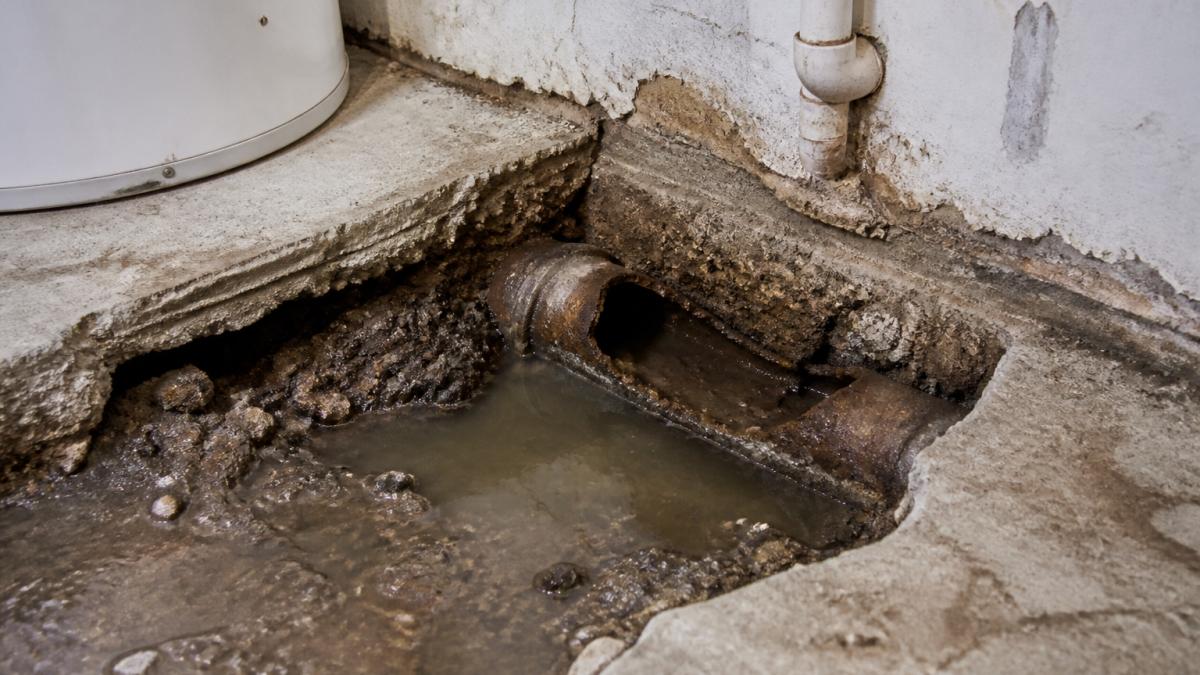
Table of Contents
- Why Broken Sewer Pipes Pose Serious Health Threats
- Common Warning Signs of a Broken Sewer Line
- Symptoms of Sewer Gas Exposure
- Health Hazards of Raw Sewage Exposure
- How to Detect Sewer Leaks Under Slab
- DIY Safety Protocols for Initial Inspection
- When to Call a Professional Plumber
- Mitigation Steps While Waiting for a Plumber
- Frequently Asked Questions
Last Updated: October 3, 2026
Why Broken Sewer Pipes Pose Serious Health Threats
A broken sewer pipe exposes your family to dangerous pathogens, toxic gases, and contaminated water. When a sewer line fails, raw sewage seeps into soil, contaminates groundwater, and releases harmful gases into your home.
Sewage contains bacteria like E. coli and Salmonella, viruses, parasites, and chemical contaminants. Sewer gas, methane, hydrogen sulfide, and other volatile compounds, enters homes through drains, crawl spaces, and foundation cracks, causing respiratory infections, gastrointestinal illness, and neurological symptoms even at low levels.
Common Warning Signs of a Broken Sewer Line
Early detection prevents serious health consequences. Signs appear both inside and outside your home.
Indoor warning signs
When a sewer line cracks, wastewater backs up into your home. Watch for:
- Multiple drains in your home draining slowly at the same time
- Toilets that gurgle or bubble when you run the sink or shower
- Sewage backups in the lowest-level fixtures (basement toilets, showers)
- Foul odors coming from drains or inside the home
- Mold and mildew growth in basements or crawl spaces
A rotten-egg odor indicates sewer gas (hydrogen sulfide) entering your living space. Ventilate immediately and call a professional.
Outdoor warning signs
Outdoor signs of a broken sewer line include:
- Soggy patches of yard that stay wet even after dry weather
- Unusually green or lush grass in certain spots (sewage acts as fertilizer)
- Cracks in your foundation or settling of the house
- Sinkholes or depressions in the yard
- Persistent odors near the cleanout or in your yard
- Pest infestations, rodents and insects are attracted to sewage
These signs indicate sewage is leaking into soil, threatening your family’s health and property integrity.
Symptoms of Sewer Gas Exposure
Sewer gas exposure causes acute symptoms (hours to days) and chronic health problems (weeks to months) that often go undiagnosed because homeowners don’t connect them to their sewer system.
Acute symptoms (hours to days of exposure)
Acute sewer gas exposure causes:
- Respiratory: Coughing, shortness of breath, chest tightness, wheezing
- Neurological: Headaches, dizziness, lightheadedness, difficulty concentrating
- Gastrointestinal: Nausea, vomiting, abdominal discomfort
- Sensory: Eye, nose, and throat irritation; watery eyes; burning sensation in nasal passages
- General: Fatigue, weakness, malaise
Symptoms appear within minutes to hours and resolve after leaving the area. If multiple family members experience them simultaneously, especially during damp weather, suspect sewer gas.
Hydrogen sulfide at 100+ ppm causes respiratory irritation; at 500 ppm, loss of consciousness; at 1,000 ppm, death. Residential exposure rarely reaches lethal levels.
Chronic symptoms (weeks to months of low-level exposure)
Chronic low-level sewer gas exposure creates cumulative health effects often overlooked:
- Persistent respiratory problems: Recurring sinus infections, chronic cough, asthma development or worsening, bronchitis that doesn’t fully resolve
- Gastrointestinal issues: Chronic diarrhea or constipation, irritable bowel syndrome symptoms, food sensitivities that develop over time, nausea without clear cause
- Neurological symptoms: Persistent headaches (often daily), brain fog, memory problems, difficulty concentrating, mood changes (irritability, depression, anxiety)
- Immune dysfunction: Frequent infections (colds, ear infections, urinary tract infections), slow wound healing, allergies that worsen or develop new
- Skin and mucous membrane problems: Chronic dermatitis, eczema flare-ups, persistent rashes in skin folds, recurrent fungal infections
- Fatigue: Persistent tiredness despite adequate sleep, lack of energy for normal activities
Chronic symptoms feel like normal illness, leading to misdiagnosis. You may visit multiple doctors and take medications without resolving the root cause, sewer gas exposure.
Why chronic exposure is underdiagnosed
Most medical professionals don’t ask about sewer problems. Chronic low-level exposure creates gradual health decline you adapt to over time.
Children, elderly, pregnant women, and those with asthma or COPD are more vulnerable to sewer gas effects.
Timeline of improvement after repair
After repair, respiratory symptoms resolve first (days to weeks), gastrointestinal symptoms take 4-8 weeks, and neurological symptoms improve within 1-2 weeks. Rapid improvement confirms sewer gas was the cause.
If you’ve experienced unexplained chronic health problems and notice warning signs (slow drains, foul odors, soggy patches), have your sewer system inspected.
CDC guidance on sewage exposure and health risks
OSHA hydrogen sulfide exposure limits and health effects
Health Hazards of Raw Sewage Exposure
Raw sewage contains dangerous microorganisms and chemical contaminants that migrate into soil, groundwater, and your home’s foundation when a pipe breaks.
Pathogens and bacteria in sewage
Sewage contains multiple classes of harmful organisms:
- Bacteria: E. coli, Salmonella, Shigella, Campylobacter
- Viruses: Hepatitis A, Norovirus, Rotavirus, Enteroviruses
- Parasites: Giardia, Cryptosporidium, Roundworms
- Fungi: Aspergillus (causes respiratory infections in immunocompromised people)
These pathogens cause gastrointestinal illness (diarrhea, vomiting, cramps, fever) requiring hospitalization in severe cases, especially in children or immunocompromised people.
Airborne microorganisms pose an additional threat. Sewage-saturated soil releases aerosol particles containing bacteria and viruses that you inhale outdoors or through foundation cracks.
Long-term health consequences of chronic exposure
Chronic sewer leaks increase your risk of:
- Chronic respiratory infections and asthma development
- Persistent gastrointestinal problems and food sensitivities
- Weakened immune response (your body becomes depleted fighting constant infection)
- Neurological symptoms including memory problems and mood changes
- Skin infections and rashes from contact with contaminated soil or water
Chronic exposure feels like normal illness. Once repaired, symptoms often improve dramatically within weeks.
EPA information on sewage contamination and groundwater protection
How to Detect Sewer Leaks Under Slab
Professional testing pinpoints the break location and severity, determining repair scope and cost. Visual inspection alone won’t reveal underground damage.
Professional testing methods
Licensed plumbers use several diagnostic techniques, each suited to different situations:
Smoke testing introduces non-toxic smoke into your sewer line. If cracked, smoke emerges in your yard, marking the break location. Fast (30-60 minutes), accurate, and inexpensive, but only detects breaks, not slow leaks.
Camera inspection sends a waterproof camera through your sewer line, showing cracks, collapses, root intrusion, and misaligned joints. More expensive ($300-$800) but provides detailed damage documentation for insurance claims.
Dye testing uses colored dye to confirm suspected leak locations but doesn’t show severity or extent.
Pressure testing pressurizes the line to reveal breaks but is less common for residential systems as it can stress damaged pipes.
Ground-penetrating radar (GPR) uses radio waves to map the sewer line’s path and detect voids or collapses. Expensive ($800-$2,000+) but useful if you don’t know the line’s location or suspect foundation damage.
What to expect during testing
The plumber will locate your sewer cleanout and ask about symptoms. For smoke testing, they’ll watch for smoke emergence in your yard. For camera inspection, they’ll narrate findings as the camera moves through the line.
Testing typically takes 1-3 hours. The plumber provides a written report or video with damage location and repair options.
Why DIY testing doesn’t work
DIY testing can damage pipes, expose you to sewer gas, or produce false results. Professional plumbers have calibrated equipment, safe access knowledge, and liability insurance.
Sewer line inspection standards and best practices
DIY Safety Protocols for Initial Inspection
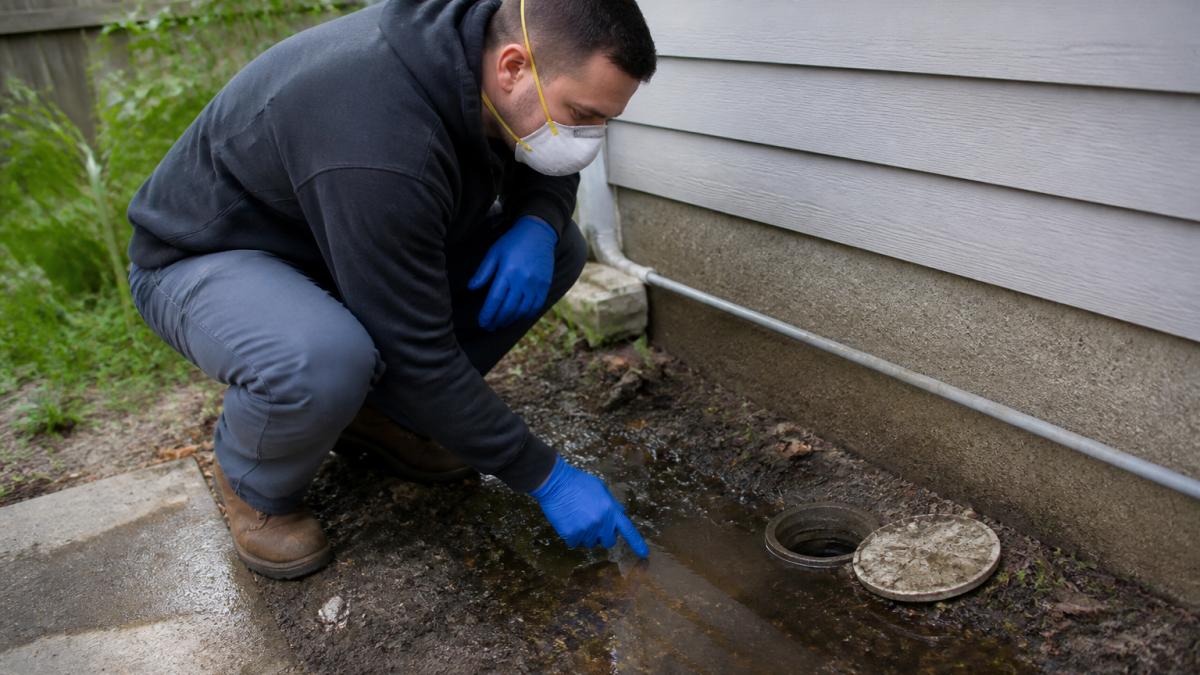
You can safely conduct an initial yard inspection before calling a professional.
Before you start:
- Wear nitrile gloves and N95 mask
- Have someone nearby
- Work during daylight
- Keep children and pets away
What to look for:
- Locate your sewer cleanout (white or black PVC cap near foundation)
- Look for soggy ground, sinkholes, or unusually green patches
- Check for foundation cracks or settling
- Sniff for rotten-egg odor (sewer gas)
- Note pest activity
- Take photos
Do not:
- Open the cleanout cap yourself, sewer gas concentration is highest inside the line
- Dig near the sewer line without professional locating, you could rupture the pipe further
- Enter any crawl space or basement where sewer gas has accumulated
- Touch contaminated soil with bare skin
Stop the inspection immediately if you experience dizziness, nausea, or difficulty breathing. These are signs of sewer gas exposure. Move to fresh air and call emergency services if symptoms persist.
When to Call a Professional Plumber
You need professional help as soon as you suspect a broken sewer pipe. The broken sewer pipe health risks escalate with time, and DIY repairs are not an option, sewer lines require licensed plumber expertise and specialized equipment.
Call immediately if you experience:
- Raw sewage backing up into your home
- Multiple drains backing up simultaneously
- Strong sewer odors inside your home
- Visible sewage in your yard or foundation cracks
- Sudden sinkholes or foundation settling
- Family members experiencing unexplained respiratory or gastrointestinal illness
Alpha Rooter & Plumbing responds to sewer emergencies 24/7 with a guaranteed response time under 90 minutes. Our licensed plumbers arrive with diagnostic equipment to identify the exact problem. We provide upfront pricing with no hidden fees, so you know the cost before work begins.
The longer you wait, the more damage spreads. A small crack becomes a full collapse. Contamination spreads deeper into your soil and groundwater. Your family’s health risk increases daily.
Licensed plumber qualifications and standards
Mitigation Steps While Waiting for a Plumber
If you’ve called a professional and are waiting for their arrival, take steps to minimize exposure and prevent further damage.
Reduce water use:
- Limit toilet flushing to essential use only
- Avoid running sinks, showers, and washing machines
- This reduces pressure on the damaged line and slows sewage backup
Improve ventilation:
- Open windows and doors to increase fresh air circulation
- Run exhaust fans in bathrooms and kitchen
- This dilutes sewer gas concentration in your home
Protect your family:
- Keep children and pets away from the affected area
- If sewage has backed up indoors, avoid contact with contaminated water and surfaces
- Wash hands frequently with soap and hot water
- Do not use tap water for drinking or cooking if you suspect groundwater contamination
Contain the problem:
- If sewage is pooling in your yard, place warning signs and barriers to keep people away
- Do not allow children to play in soggy areas
- Keep pets indoors to prevent them from ingesting contaminated soil
Document the damage:
- Take photos and videos of all visible signs (backups, odors, yard damage)
- Keep records of when symptoms started and who experienced them
- This documentation helps your plumber understand the severity and timeline
Avoid these mistakes:
- Do not use chemical drain cleaners, they won’t fix a broken line and can damage pipes further
- Do not attempt to excavate or repair the line yourself
- Do not ignore the problem hoping it resolves on its own
The goal is to stabilize your situation until professional help arrives. A licensed plumber will diagnose the exact problem, explain your repair options, and restore your sewer system safely.
A broken sewer pipe is a serious health emergency that demands immediate professional attention. The contamination and toxic gases it releases pose real risks to your family’s health and your home’s structural integrity. If you notice warning signs, slow drains, foul odors, soggy yard patches, or unexplained illness, don’t delay. Alpha Rooter & Plumbing provides 24/7 emergency sewer diagnostics with state-of-the-art equipment. We guarantee a response within 90 minutes and upfront pricing with no surprises. Call now to schedule an emergency inspection and protect your family’s health.
Frequently Asked Questions
Can you get sick from a broken sewer line?
Yes. A broken sewer pipe exposes you to sewage containing harmful pathogens, bacteria, and sewer gas. Exposure can cause gastrointestinal illness, respiratory infections, and other health complications. Even brief contact with contaminated soil or inhalation of sewer gas, which contains methane and hydrogen sulfide, can trigger nausea, headaches, and dizziness. Prolonged exposure increases the risk of serious infection.
What are the symptoms of sewage sickness?
Symptoms of sewer gas exposure include nausea, headaches, dizziness, and respiratory irritation. Ingestion or skin contact with raw sewage can cause gastrointestinal illness with symptoms like vomiting, diarrhea, and abdominal pain. Some people experience fatigue and eye irritation. Symptoms typically appear within hours to days of exposure. If you suspect sewage exposure, seek medical attention and inform your doctor of the exposure source.
How do I know if my sewer line is leaking under my house?
Signs of underground sewer leaks include slow drains throughout your home, gurgling toilets, sewage backups, and unusually soggy patches in your yard despite dry weather. You may notice foul odors (rotten-egg smell from hydrogen sulfide) near the foundation or yard. Mold and mildew growth in the basement or foundation cracks can indicate sewage seepage. Professional plumbers use smoke testing and camera inspection to confirm underground leaks and locate the exact damage.
What pathogens are found in raw sewage?
Raw sewage contains numerous disease-causing pathogens including bacteria (E. coli, Salmonella), viruses, and parasites. These airborne microorganisms and contaminated particles pose respiratory and gastrointestinal risks. Exposure to these pathogens can cause infections ranging from mild to severe, depending on the exposure level and your immune system. This is why professional handling and proper safety protocols are essential when dealing with sewage contamination.
Comments are closed