
Table of Contents
- What Constitutes a Plumbing Emergency
- Signs of Burst Pipe Emergency and When to Call
- Typical Emergency Response Times and Dispatch
- Factors That Influence Plumber Arrival Time
- How to Shut Off Main Water Valve Before Help Arrives
- Pre-Arrival Mitigation Steps to Prevent Water Damage
- Emergency Plumbing Cost Breakdown and Upfront Pricing
- Verifying Licensed and Insured Plumbers
Last Updated: August 27, 2026
What Constitutes a Plumbing Emergency
A plumbing emergency is any situation where water damage is actively occurring or imminent, requiring immediate professional intervention to prevent property damage, health hazards, or service interruption. Common scenarios include burst pipes flooding a basement, sewer line backups creating sewage exposure, water heater failures in winter, main water line breaks, or frozen pipes about to rupture. The key factor isn’t the time of day, it’s whether the problem will escalate rapidly without intervention.
At Alpha Rooter & Plumbing, we understand that emergencies don’t follow business hours. That’s why our team responds 24/7. The difference between calling within the first hour versus waiting is often the difference between a contained problem and thousands in water damage.
Delaying a call on a [burst pipe](/signs-of-burst-pipe-emergency/) or sewer backup can result in structural damage to your foundation, mold growth, and contaminated groundwater. The cost of mitigation skyrockets the longer the leak continues.
Signs of Burst Pipe Emergency and When to Call
A burst pipe typically announces itself loudly: water spraying from a visible crack, a sudden drop in water pressure throughout your home, or water pooling in unexpected places. For older plumbing systems where pipes fail inside walls or underground, watch for secondary signs: wet patches on drywall, a sudden spike in your water bill without increased usage, or soft spots in your foundation.
Sewer line backups present different warning signs. You’ll notice slow drains throughout the house (not just one fixture), gurgling sounds from toilets or drains, or raw sewage backing up into your lowest-level fixtures. A foul smell around your yard or foundation is another indicator. These situations require immediate attention because sewage exposure creates serious health risks.
When in doubt, call. An emergency plumber response time matters most in the first 30 minutes after you notice the problem. The sooner you get professional eyes on the situation, the sooner you can implement damage control measures.
If water is actively flowing or you smell sewage, this is not a “wait and see” situation. Call immediately. The cost of an emergency service call is far less than the cost of water damage remediation or mold treatment.
Typical Emergency Response Times and Dispatch
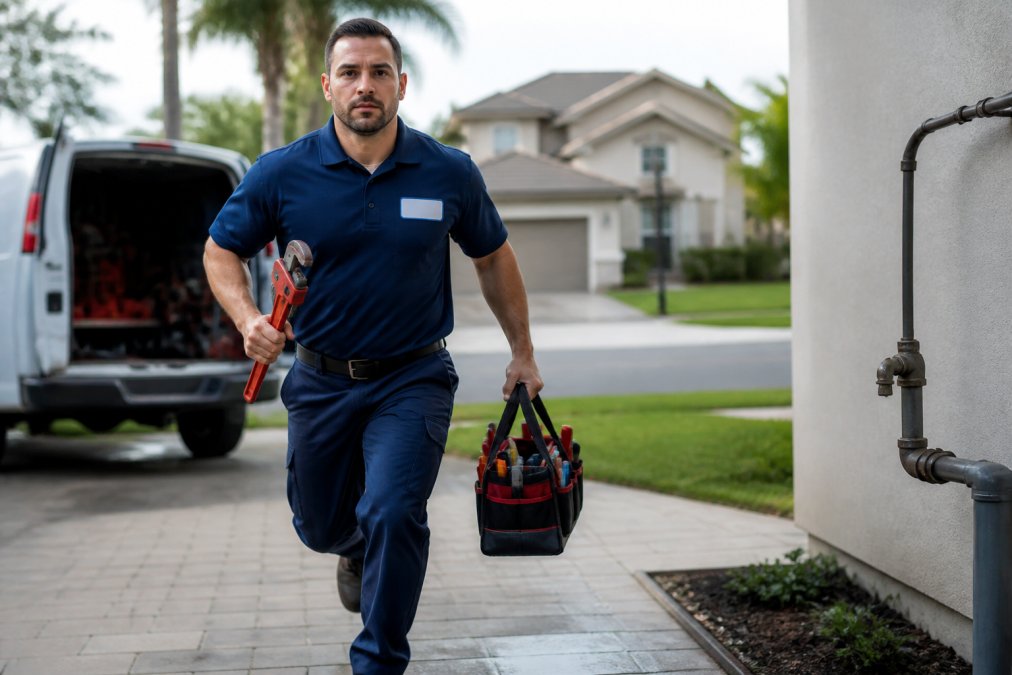
Emergency plumber response time refers to how quickly a technician arrives at your location after you call, not how quickly they answer the phone or dispatch a truck. Most professional emergency plumbing services aim for arrival within 60 to 90 minutes during peak hours, though actual times vary based on traffic, current workload, and your distance from the dispatch center.
Alpha Rooter & Plumbing guarantees a response time of under 90 minutes for emergency calls. This means a licensed technician will be at your door ready to assess and begin work within that window. During off-peak hours (late night or early morning), response times often improve because fewer calls are in the queue.
The dispatch process itself typically takes 5 to 10 minutes. When you call, the dispatcher gathers information about your situation, confirms your address, and checks the current location of available technicians. They then route the nearest available truck to your location.
| Response Metric | Typical Range | What It Means |
|---|---|---|
| Phone answer time | 1-2 minutes | How fast dispatch picks up |
| Dispatch to truck | 5-10 minutes | Time to route technician |
| Travel time | 15-45 minutes | Distance + traffic conditions |
| Total response time | 30-90 minutes | When technician arrives |
Factors That Influence Plumber Arrival Time
Several variables determine how quickly an emergency plumber can reach your location.
Geographic location and traffic patterns are the biggest variables. A call from downtown during evening rush hour will take longer than a call from a residential neighborhood at 2 AM. Current call volume directly impacts availability. During winter months or after heavy storms, call volume spikes, which extends response times across the board.
Your distance from the service center matters less than many assume. Professional services like Alpha Rooter & Plumbing deploy technicians throughout the service area specifically to minimize travel time. Access and location specifics can add time, gated communities, apartment building security, or commercial properties with after-hours access restrictions require upfront communication.
Time of day and day of week influence both availability and traffic. A 2 AM emergency might get faster response than a 5 PM emergency because fewer calls are pending and traffic is lighter. Severity of the reported problem sometimes affects dispatch priority. A burst pipe actively flooding a basement gets routed faster than a slow drain.
How to Shut Off Main Water Valve Before Help Arrives
Knowing how to shut off your main water valve is the single most important action you can take while waiting for an emergency plumber. This one step can mean the difference between a contained problem and catastrophic water damage.
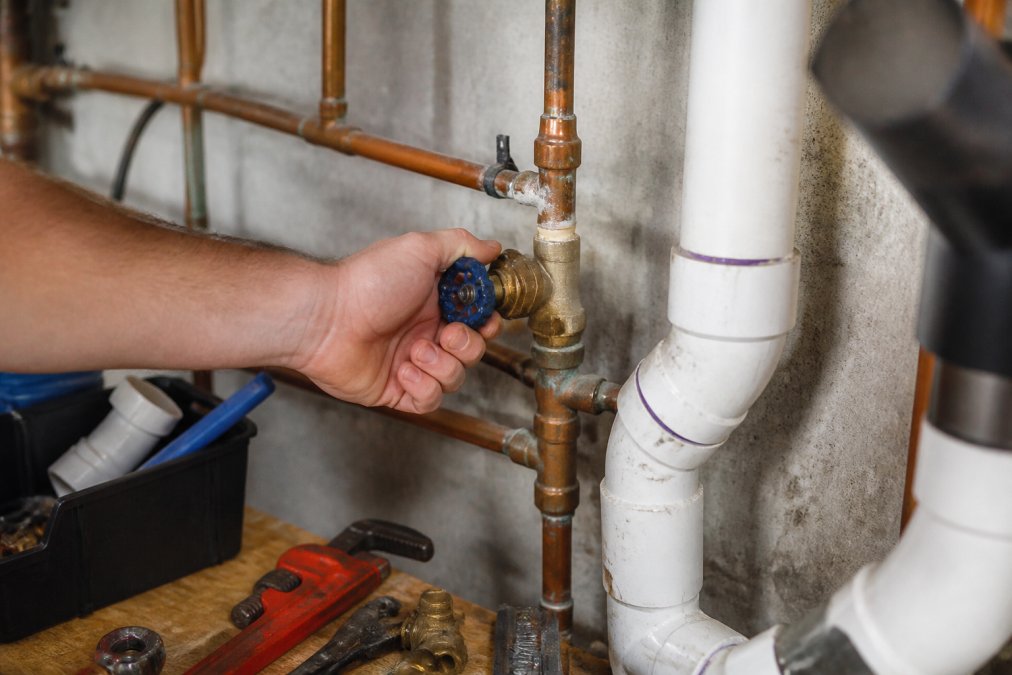
Your main water shut-off valve is typically located where the water line enters your home, usually in the basement near the foundation wall, in a utility closet, or outside in a valve box near the street. Locate it now, before an emergency happens.
Once you’ve found it, turn it clockwise to close. Most valves require a quarter-turn, though some older gate valves need multiple full rotations. Turn until you feel resistance; don’t force it. After closing the valve, open a faucet on the lowest level of your house to release remaining pressure in the lines.
For apartment dwellers and commercial tenants, locate your unit’s isolation valve if one exists. If not, ask your building manager where the main shut-off is located and ensure you have access to it in an emergency.
Take a photo of your main water valve location and save it to your phone. When an emergency happens, you won’t have time to search. Also label the valve with a bright tag so family members can find it in the dark if needed.
Pre-Arrival Mitigation Steps to Prevent Water Damage
The minutes between discovering a burst pipe and when the emergency plumber arrives are critical for damage prevention.
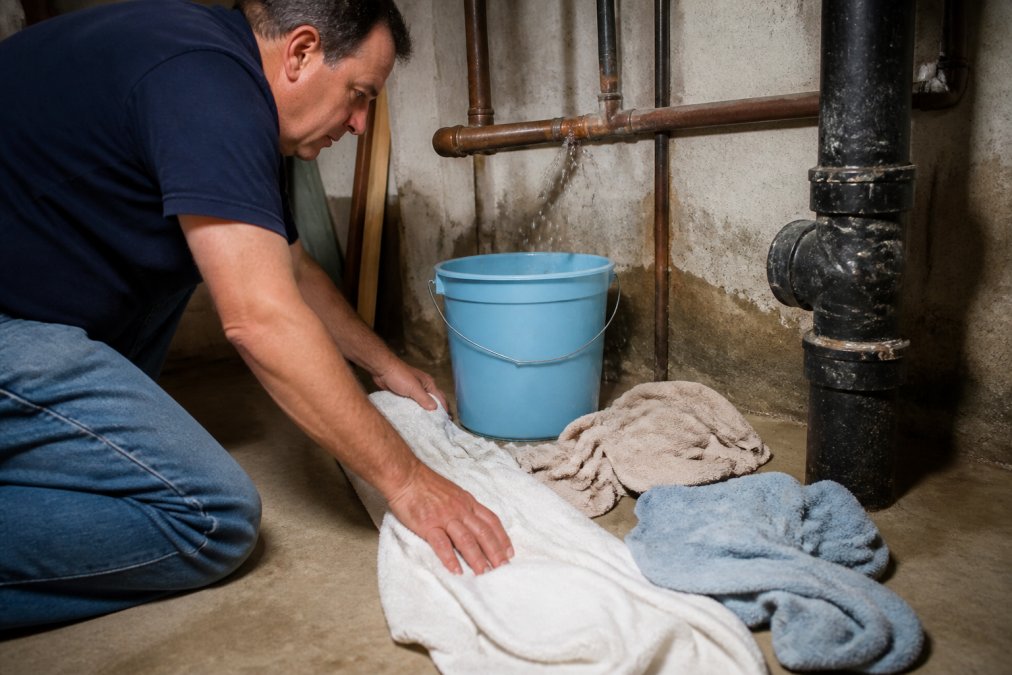
Start by moving valuable items away from the water source. Electronics, documents, photographs, and furniture absorb water quickly and are often unsalvageable once soaked. Place towels, buckets, and any absorbent materials under the leak to catch water. This prevents water from spreading across floors and seeping into subflooring and structural elements.
Turn off the electricity to the affected area if water is near electrical outlets, appliances, or wiring. Open windows and doors to increase air circulation. Moving air helps prevent mold growth, which can begin within 24 to 48 hours in wet conditions (the CDC).
If the water is coming from a sewer line backup, do not touch the contaminated water. Sewage contains harmful pathogens (the CDC). Instead, isolate the area, keep people and pets away, and wait for professional remediation.
Document the damage by taking photos and videos. This helps with insurance claims and gives the plumber a clear picture of what happened. Contact your homeowner’s or renter’s insurance company as soon as you’ve stabilized the immediate situation.
Emergency Plumbing Cost Breakdown and Upfront Pricing
Emergency service calls typically cost more than routine repairs because they happen outside normal business hours and require immediate availability. Most emergency plumbing services charge a service call fee, which covers the technician’s time to arrive, diagnose the problem, and provide an estimate. Some services waive this fee if you proceed with repairs, while others charge it regardless.
Labor rates for emergency calls are higher than standard rates because technicians are on-call and the work often happens at night, on weekends, or during holidays. The actual repair cost depends on the severity of the problem. A simple shut-off valve replacement costs far less than excavating and replacing a sewer line.
Alpha Rooter & Plumbing provides upfront pricing with no hidden fees. This means you know the cost before work begins, and you won’t face surprise charges if the job takes longer than expected or requires additional materials.
When evaluating pricing, ask: Is the service call fee waived if you hire them? Are parts marked up, and by how much? Are there additional charges for after-hours service, weekend service, or holiday service? Transparent answers to these questions indicate a trustworthy service.
Emergency plumbing costs more than routine repairs because you’re paying for immediate availability and rapid response. Transparent upfront pricing protects you from surprise bills and lets you make informed decisions under stress.
Verifying Licensed and Insured Plumbers
Before hiring any plumber, especially during an emergency, verify that they are licensed and insured. A valid plumbing license means the technician has passed exams demonstrating knowledge of plumbing codes, safety practices, and proper installation methods (nh.gov). Ask for the license number and verify it with your state’s licensing board.
Insurance is equally important. General liability insurance protects you if the plumber damages your property during the repair. Workers’ compensation insurance protects you from liability if the technician is injured on your property.
Alpha Rooter & Plumbing maintains full licensing and insurance, and we’re happy to provide proof before any work begins. Our License #874454 is current and verifiable. When you call for emergency service, ask for the technician’s name and license number before they arrive. Request that they show you their license when they get there.
Be wary of services that seem reluctant to provide this information or that offer unusually low prices in exchange for cash payment. These are red flags for unlicensed or uninsured work.
Plumbing emergencies are stressful, but knowing what to expect and how to respond reduces panic and limits damage. When a burst pipe or sewer backup strikes, the first 90 minutes matter most. Shut off your water, move valuables, and call a licensed, insured emergency plumber immediately. Alpha Rooter & Plumbing responds within 90 minutes with upfront pricing and no hidden fees, so you know exactly what you’re paying and when help arrives. Our licensed technicians handle everything from burst pipes to sewer line backups with the speed and professionalism your emergency demands. Call now to get a licensed plumber to your door fast.
Frequently Asked Questions
What is the standard emergency plumber response time?
Response times for emergency plumbing services typically range from 30 minutes to 2 hours, depending on current demand, traffic conditions, and your location. Many professional emergency plumbing services, including Alpha Rooter & Plumbing, guarantee response times under 90 minutes. However, actual arrival can vary based on how many calls are in the queue and whether technicians are already on-site elsewhere. Always ask about the specific estimated time of arrival when you call.
How do I know if my plumbing issue qualifies as an emergency?
A plumbing emergency requires immediate attention to prevent water damage, health hazards, or loss of essential services. Common emergencies include burst pipes, sewer line backups, water heater failures, gas leaks, and major leaks that flood your home. If water is actively damaging your property, you cannot access clean water, or you smell sewage inside your home, call emergency plumbing services right away. Minor drips or slow clogs can usually wait for standard business hours.
What should I do while waiting for the emergency plumber to arrive?
First, shut off your main water valve to stop water flow and prevent further damage. Place towels or buckets under the leak to contain water. Move valuable items away from the affected area. If it's a sewage backup, avoid using any plumbing fixtures. Document the damage with photos for insurance purposes. Keep the area accessible so the plumber can work quickly upon arrival. Stay calm and have your address and phone number ready when the technician calls for directions.
How can I verify that a plumbing company is licensed and insured?
Ask the company for their license number and insurance certificate before they arrive. You can verify licensing through your state's licensing board or contractor database. Request proof of liability insurance and workers' compensation coverage, legitimate emergency plumbing services will provide this without hesitation. Check online reviews and the Better Business Bureau for complaints or disputes. Licensed and insured plumbers protect you from liability if damage occurs during repairs and ensure the work meets code standards.
This article was written using GrandRanker
Comments are closed