
Table of Contents
- The Most Common Plumbing Issues Homeowners Face
- Signs of a Slab Leak You Should Never Ignore
- When to Call for Emergency Plumbing Services
- How to Find a Licensed Plumber You Can Trust
- Preventative Maintenance to Avoid Costly Repairs
- Conclusion
Last Updated: August 25, 2026
The Most Common Plumbing Issues Homeowners Face
Most homeowners don’t think about their plumbing until something breaks. Then they’re scrambling to find a plumber and bracing for a bill they can’t predict. The truth is that common plumbing issues follow predictable patterns, and understanding them gives you a real advantage when it comes to prevention and knowing when to call for help.
At Alpha Rooter & Plumbing, we’ve responded to thousands of emergency calls across the Los Angeles area. The issues we see most often aren’t random. They cluster into a handful of categories that repeat with striking regularity. Knowing what to watch for means you can catch problems early, avoid catastrophic water damage, and make smarter decisions about when to DIY versus when to bring in professionals.
Clogged Drains and Sewer Line Blockages
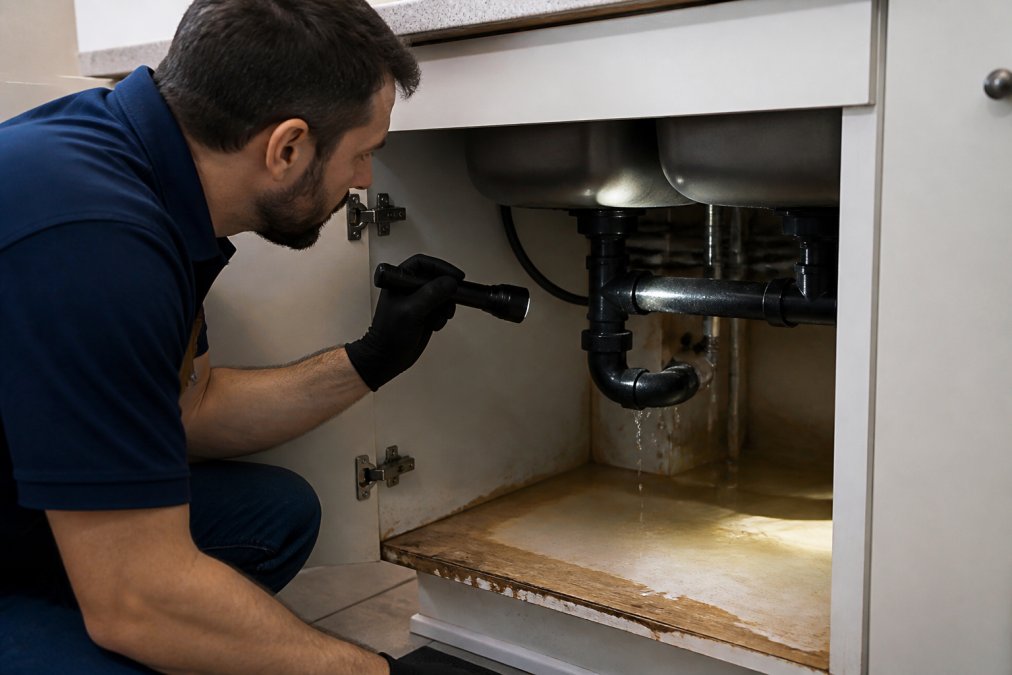
A clogged drain is the most frequent call we receive. It starts small, usually in a single fixture, then escalates if left untreated. Hair, soap buildup, food debris, and grease accumulate inside drain pipes, restricting water flow until water backs up into your sink, shower, or tub.
Sewer line blockages are more serious. When the main line that connects your home to the municipal sewer system backs up, you’re dealing with sewage backing into your house, which creates a genuine health hazard. Tree root intrusion is a common culprit here, especially in older neighborhoods where large trees have been established for decades. Roots seek moisture and will penetrate small cracks in sewer pipes, eventually creating blockages that trap debris and cause backups. Hard water mineral deposits can also accumulate inside pipes, narrowing the diameter and reducing flow capacity over time.
The difference between a simple drain cleaning and a sewer line issue comes down to scope. A single clogged drain affects one fixture. A sewer line blockage affects your entire drainage system, and you’ll notice multiple fixtures backing up simultaneously. If your toilet is overflowing while your shower drains slowly and your kitchen sink is sluggish all at the same time, you’re looking at a main line problem that requires professional intervention with specialized equipment like hydro-jetting or camera inspection.
Leaking Pipes and Burst Water Lines
Pipe leaks range from minor drips to catastrophic failures. A pinhole leak in a water supply line might go unnoticed for weeks, silently increasing your water bill and potentially causing hidden water damage inside walls or under your foundation. A burst pipe, by contrast, announces itself immediately with water flooding your home.
Burst pipes typically occur when water freezes inside the pipe, expands, and ruptures the line (the CDC). In the Los Angeles area, freezing is less common than in colder climates, but it still happens during rare cold snaps. More often, burst pipes result from pipe corrosion, especially in homes with older galvanized steel or cast iron plumbing systems. Corroded pipes weaken over time, and pressure fluctuations cause them to fail.
The cost of ignoring a slow leak is deceptive. A leak that wastes just a few gallons per day adds up to thousands of gallons per month (the EPA). Beyond the water bill, the moisture creates conditions for mold growth and structural damage. Foundation damage from slab leaks can cost tens of thousands to repair if the leak persists undetected. This is why catching leaks early matters so much.
Running Toilets and Overflowing Fixtures
A running toilet sounds like a minor inconvenience, but it’s one of the biggest water wasters in residential homes. The issue usually stems from a faulty fill valve or flapper inside the tank. Water continuously leaks from the tank into the bowl, and the fill valve keeps running to maintain tank level. Left unfixed, a running toilet can waste thousands of gallons per month.
Overflowing toilets are more urgent. When a toilet overflows, it’s usually because the drain line is blocked or the water level in the bowl is rising faster than it can drain. This signals either a localized clog in the toilet’s trap or a broader drainage system problem. An overflowing toilet requires immediate attention because sewage water poses genuine health risks.
Both issues are preventable with regular maintenance. Replacing a worn flapper or fill valve is inexpensive and straightforward. Ignoring the problem is expensive and unsanitary.
Low Water Pressure and Mineral Deposits
Low water pressure is frustrating and often points to one of several underlying issues. Hard water mineral deposits accumulate inside pipes and fixtures, restricting flow. In the Los Angeles area, water hardness varies by neighborhood, but mineral buildup is a common problem in older plumbing systems. The deposits form on aerators, inside shower heads, and along the interior walls of pipes themselves.
A water pressure regulator that fails or is set too low can also cause widespread pressure loss throughout your home. If pressure is low at every fixture, the problem is likely at the main water supply line or the regulator. If pressure is low at only one fixture, the issue is localized to that line or fixture.
Hard water doesn’t just reduce pressure. It also accelerates corrosion in metal pipes and reduces the efficiency of water heaters. Addressing hard water early prevents cascading problems down the line.
Leaky Faucets and Fixture Corrosion
A dripping faucet seems minor until you calculate the waste. A single faucet dripping once per second wastes roughly 3,000 gallons per year (usgs.gov). Beyond the water waste, the constant dripping indicates worn internal seals that will eventually fail completely.
Fixture corrosion is more serious. Corroded faucet handles, valve stems, and supply lines weaken and eventually fail. Corrosion happens faster in areas with aggressive water chemistry or in older fixtures that haven’t been maintained. Once corrosion takes hold, replacement is often more practical than repair.
Water Heater Malfunctions
Water heater failures typically come without warning. One day you have hot water, the next day you don’t. A water heater that’s leaking, making strange noises, or producing rusty water needs professional attention. Sediment buildup inside the tank reduces efficiency and shortens the heater’s lifespan. Regular flushing extends the life of your unit, but once a water heater starts failing, replacement is usually the most economical option.
Tree Root Intrusion and Hard Water Damage
Tree root intrusion and hard water damage often work together to accelerate plumbing failure. Tree roots seek moisture and nutrients, and they’re attracted to sewer lines. Once roots penetrate a pipe, they continue to grow inside it, eventually blocking the line completely. Hard water deposits compound the problem by narrowing the pipe’s interior diameter, making blockages more likely.
Both issues require professional diagnosis. A plumbing camera can identify root intrusion inside a sewer line. Water testing reveals hardness levels and mineral content. Once you understand what you’re dealing with, you can make informed decisions about treatment options like hydro-jetting or pipe restoration.
Signs of a Slab Leak You Should Never Ignore
A slab leak occurs when a water line running beneath your home’s foundation develops a crack or hole. These leaks are dangerous because they’re hidden, and by the time you notice them, significant damage may have already occurred.
The most obvious sign is a sudden spike in your water bill with no corresponding increase in usage. You’re not using more water, but you’re paying more. That’s a leak somewhere in your system, and if it’s not visible inside your home, it’s likely under the slab.
Other warning signs include soft spots or unusually wet areas in your yard, cracks appearing in interior walls or flooring, or the sound of running water when all fixtures are turned off. Mold or mildew appearing in unexpected places also suggests moisture problems that could indicate a slab leak.
Professional leak detection services use non-invasive methods to pinpoint the exact location of a slab leak without tearing up your foundation. Once located, options range from trenchless pipe repair using epoxy lining to traditional excavation and replacement, depending on the severity and location of the leak.
When to Call for Emergency Plumbing Services
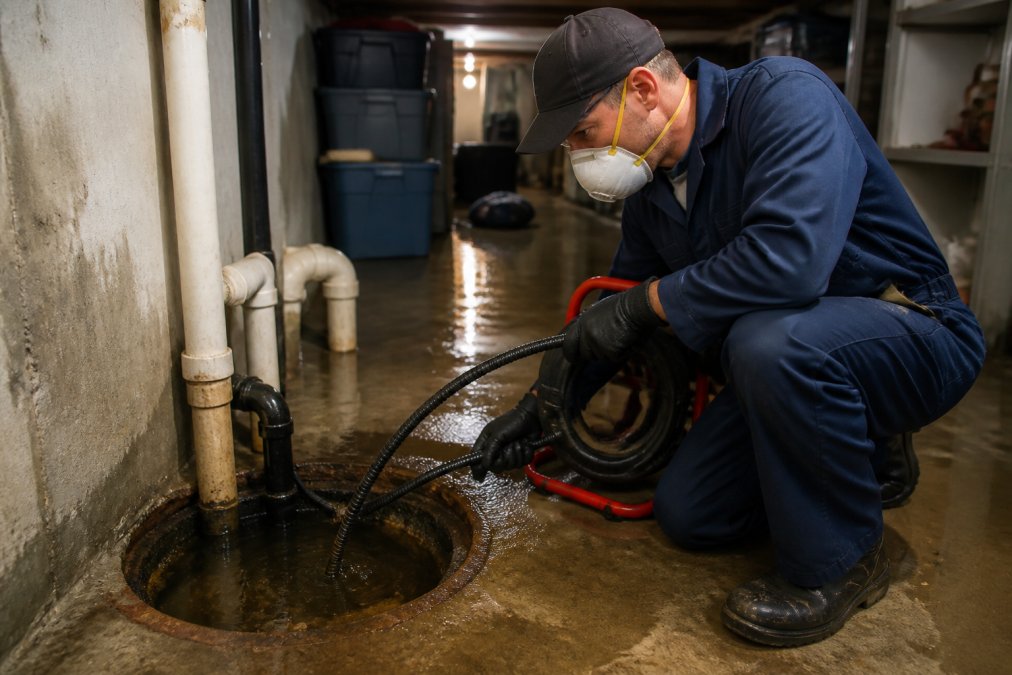
Some plumbing problems require immediate professional intervention. Sewage backups, burst pipes flooding your home, and gas leaks are emergencies that demand urgent response. Water damage escalates rapidly, and every hour of delay increases the cost of repairs and the risk of mold growth.
Alpha Rooter & Plumbing operates 24/7 with a guarantee of under 90-minute response time. When you have a plumbing emergency, that speed matters. The difference between a manageable repair and catastrophic damage often comes down to how quickly you get professional help on site.
Signs that you need emergency services include water actively flooding from burst pipes, sewage backing up into your home, no water pressure at any fixture, or the smell of gas near your plumbing or water heater. These situations require immediate professional attention, not DIY attempts.
How to Find a Licensed Plumber You Can Trust
When you need plumbing work done, choosing the right professional matters. A licensed plumber has passed exams, completed apprenticeships, and carries insurance. Unlicensed operators may seem cheaper upfront, but they lack accountability, insurance coverage, and the expertise to handle complex problems correctly.
Verify licensing through your state’s licensing board. In California, the Contractors State License Board maintains a searchable database of licensed contractors. You can confirm a plumber’s license number, verify it’s current, and check for any complaints or disciplinary actions.
Ask about upfront pricing before work begins. Reputable plumbers provide written estimates that detail labor costs, materials, and any service call fees. Avoid plumbers who quote vague ranges or refuse to provide estimates. Transparent pricing protects you from surprise charges after work is complete.
Check references and online reviews, but remember that reviews can be manipulated. The most reliable indicator is how a plumber responds to your questions. Do they explain what’s wrong in terms you understand? Do they answer your concerns directly? Do they seem genuinely interested in solving your problem or just closing the sale?
Alpha Rooter & Plumbing holds California Contractor License #874454 and maintains upfront pricing with no hidden fees. When you call, you get a transparent estimate before work begins, and the licensed plumbers who show up are the ones who do the work.
Preventative Maintenance to Avoid Costly Repairs
Regular preventative maintenance catches problems before they become emergencies. Simple steps reduce the likelihood of plumbing failures and extend the lifespan of your system.
| Maintenance Task | Frequency | Impact |
|---|---|---|
| Inspect visible pipes for leaks or corrosion | Quarterly | Catches slow leaks before they cause water damage |
| Flush water heater sediment | Annually | Extends heater life and maintains efficiency |
| Clean drain aerators and shower heads | Twice yearly | Maintains water pressure and prevents buildup |
| Test water pressure regulator | Annually | Prevents pressure fluctuations that cause burst pipes |
| Have main sewer line inspected | Every 3-5 years | Identifies root intrusion or blockages early |
| Install water filtration if hard water | As needed | Reduces mineral deposits and fixture corrosion |
A whole-home water filter or softener addresses hard water issues at the source, protecting all fixtures and appliances downstream. Water heater maintenance, particularly annual sediment flushing, prevents the tank from failing prematurely. Drain cleaning using hydro-jetting removes buildup before it becomes a blockage.
For older homes with cast iron sewer lines or galvanized water pipes, periodic professional inspection identifies corrosion before catastrophic failure. A plumbing camera can photograph the interior condition of your sewer line, revealing tree root intrusion, cracks, or blockages that need attention.
The cost of preventative maintenance is minimal compared to the cost of emergency repairs. A service call to flush your water heater costs far less than replacing a failed heater or repairing water damage from a burst pipe.
Plumbing emergencies don’t announce themselves in advance. When a pipe bursts or your sewer line backs up, you need a licensed professional who responds quickly and charges fairly. Alpha Rooter & Plumbing provides 24/7 emergency services with under 90-minute response times, upfront pricing with no hidden fees, and state-of-the-art diagnostic equipment to identify and fix problems correctly the first time. When you’re facing a plumbing crisis, call now and get the professional help your home needs.
=== FAQ ANSWERS (audit these too, same rules) ===
[1] Q: What is the most common plumbing issue in homes?
A: Clogged drains are the most frequent problem homeowners encounter. They occur in kitchen sinks, bathrooms, and main sewer lines, often caused by hair, grease buildup, soap residue, or mineral deposits. If left untreated, drain clogs can lead to sewage backup and water damage. Regular drain cleaning and preventative maintenance help avoid costly repairs.
[2] Q: What are the signs of a slab leak?
A: Slab leaks occur when water pipes beneath your foundation crack or corrode. Warning signs include unexplained increases in your water bill, soft or wet spots in your foundation, cracks in walls or flooring, mold growth, and the sound of running water when no fixtures are in use. If you suspect a slab leak, contact a professional immediately to prevent foundation damage.
[3] Q: How do I know when I need emergency plumbing services?
A: Call for emergency plumbing services immediately if you experience burst pipes, sewage backups, gas leaks, water heater failures causing flooding, or major leaks causing water damage. These situations require rapid response to prevent property damage and health hazards. Most emergencies cannot wait for regular business hours and demand professional intervention.
[4] Q: How do I find a licensed plumber I can trust?
A: Verify that any plumber holds a valid state license and carries liability insurance. Ask for references from recent clients and check online reviews. Reputable plumbers provide upfront pricing with no hidden fees, offer warranties on work, and maintain transparent communication. Confirm their experience with your specific issue, whether it’s corroded pipes, slab leaks, or drain cleaning.
Frequently Asked Questions
Q: What is the most common plumbing issue in homes?
A: Clogged drains are the most frequent problem homeowners encounter. They occur in kitchen sinks, bathrooms, and main sewer lines, often caused by hair, grease buildup, soap residue, or mineral deposits. If left untreated, drain clogs can lead to sewage backup and water damage. Regular drain cleaning and preventative maintenance help avoid costly repairs.
Q: What are the signs of a slab leak?
A: Slab leaks occur when water pipes beneath your foundation crack or corrode. Warning signs include unexplained increases in your water bill, soft or wet spots in your foundation, cracks in walls or flooring, mold growth, and the sound of running water when no fixtures are in use. If you suspect a slab leak, contact a professional immediately to prevent foundation damage.
Q: How do I know when I need emergency plumbing services?
A: Call for emergency plumbing services immediately if you experience burst pipes, sewage backups, gas leaks, water heater failures causing flooding, or major leaks causing water damage. These situations require rapid response to prevent property damage and health hazards. Most emergencies cannot wait for regular business hours and demand professional intervention.
Q: How do I find a licensed plumber I can trust?
A: Verify that any plumber holds a valid state license and carries liability insurance. Ask for references from recent clients and check online reviews. Reputable plumbers provide upfront pricing with no hidden fees, offer warranties on work, and maintain transparent communication. Confirm their experience with your specific issue, whether it's corroded pipes, slab leaks, or drain cleaning.
This article was written using GrandRanker
Comments are closed