
Table of Contents
- What Causes Sewer Backups in Older Homes
- Step 1: Know the Signs of Sewer Line Blockage
- Step 2: Schedule Regular Sewer Line Inspection for Old Houses
- Step 3: Manage Grease, Oils, and Food Waste Properly
- Step 4: Install a Backwater Valve to Stop Sewage Overflow
- Backwater Valve Installation Cost and What to Expect
- Step 5: Remove Tree Roots and Prevent Future Intrusion
- Step 6: Replace Damaged Sewer Lines With Modern Solutions
Last Updated: August 23, 2026
What Causes Sewer Backups in Older Homes
Sewer backups in older homes stem from aging infrastructure and decades of accumulated wear. Older homes, particularly those built before 1980, rely on materials that deteriorate over time. Clay becomes brittle and fractures. Cast iron corrodes from the inside out. These materials weren’t designed to last 50, 60, or 70 years.
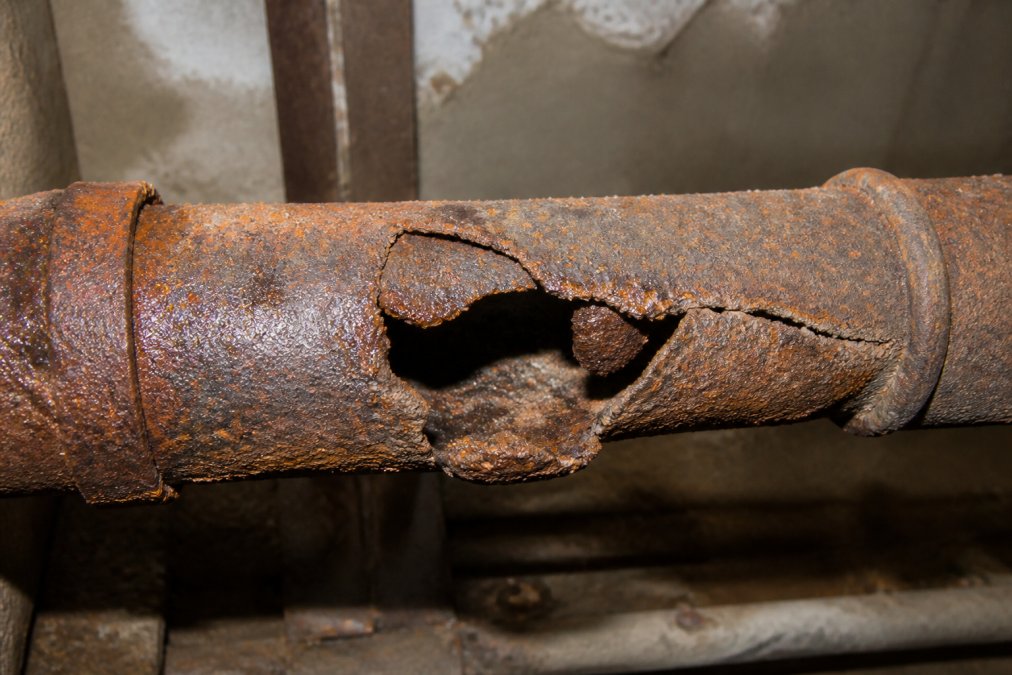
Tree root intrusion is another major culprit. Roots seek moisture and nutrients, and your sewer lateral is essentially a water line running underground. Small cracks in older pipes become entry points. Once inside, roots grow and eventually block the line entirely.
Offset joints, where pipe sections don’t align perfectly, create pockets where debris and grease accumulate. Combined with FOG (fats, oils, and grease) from kitchen drains and structural settling, the system becomes increasingly fragile. The main sewer line in older homes often sits at a shallow grade. Modern code requires a minimum slope of 0.5 inches per 8 feet. Many older installations fall short, meaning wastewater doesn’t flow downhill efficiently.
The real problem with older homes isn’t usually one catastrophic failure, it’s the combination of multiple small failures happening simultaneously. When they overlap, the system fails suddenly.
Step 1: Know the Signs of Sewer Line Blockage
Multiple slow drains throughout the house often signal a main sewer line issue rather than a single clogged fixture. When the kitchen sink, bathroom sink, shower, and toilet all drain sluggishly, the problem is in the main lateral.
Gurgling sounds from drains, toilets, or cleanout pipes indicate air trapped in the line. This happens when a blockage prevents normal flow, forcing air back up through the system.
Sewage odors around the yard, especially near the sewer cleanout or in soft spots in the lawn, suggest a leak or backup in the underground line. Soggy patches of lawn that stay wet even in dry weather also indicate sewage seeping from a broken pipe.
Backups that occur during heavy rain point specifically to a main water supply or combined sewer system issue. A single fixture backing up, say only the toilet or only the basement sink, usually means that specific drain is clogged, not the main line.
If you see [raw sewage in your basement](/emergency-sewer-backup-cleaning-service/) or yard, do not attempt to fix it yourself. Sewage contains harmful pathogens ([the CDC](https://www.cdc.gov/global-water-sanitation-hygiene/about/workers_handlingwaste.html)). Call a licensed plumber immediately. This is a health hazard and a sign of serious structural defects in your sewer line.
Step 2: Schedule Regular Sewer Line Inspection for Old Houses
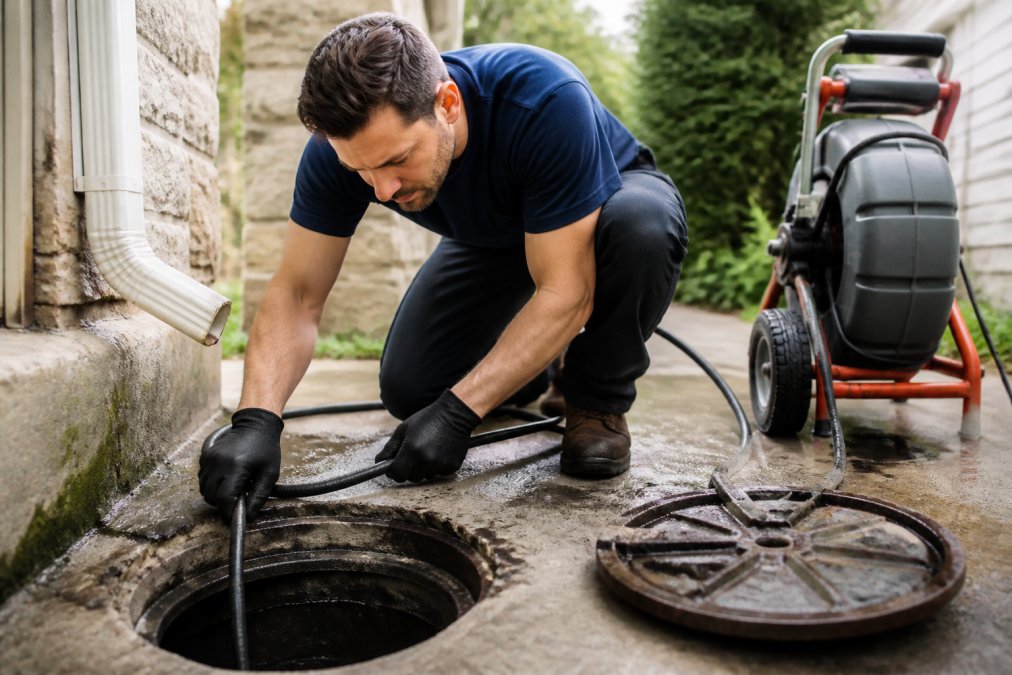
Preventative inspection is the most cost-effective way to prevent sewer backups in older homes. Modern sewer camera inspections use a small, flexible camera on a cable that travels through your drain line, revealing cracks, tree root intrusion, offset joints, pipe collapse, and grease buildup in real-time.
Schedule a sewer line inspection every 3-5 years if your home is older than 40 years (asce.org). If you’ve never had one, get it done now. Document the findings in writing. Photographs or video from the inspection become your baseline for tracking deterioration over time.
A camera inspection today can prevent a costly sewer line replacement or emergency cleanup. The inspection is your early warning system.
If the inspection reveals tree roots, grease buildup, or minor cracks, you can schedule hydro-jetting or other preventative maintenance on your timeline rather than reacting to an emergency.
Step 3: Manage Grease, Oils, and Food Waste Properly
FOG (fats, oils, and grease) is one of the most preventable causes of sewer blockage. Grease solidifies as it cools, coating pipe interior walls and trapping debris. Over time, this buildup narrows the pipe diameter. In older homes with already-compromised pipes, grease buildup is often the final straw that causes a backup.
Never pour hot grease down the drain. Let it cool in a container, solidify, and throw it in the trash. Use a strainer in your sink to catch food particles. Wipe pots, pans, and dishes with a paper towel before washing them to remove excess grease and food before it enters the pipes.
If you do pour grease down the drain by accident, run hot water immediately afterward for 30-60 seconds. This helps flush it further down the line rather than letting it solidify in your pipes.
Step 4: Install a Backwater Valve to Stop Sewage Overflow
A backwater valve is a one-way check valve installed in your sewer line that prevents sewage from flowing backward into your home. If the main sewer line backs up, the valve closes and stops sewage from entering your basement or lowest-level drains.
This device is essential insurance for older homes in areas prone to sewer backups, particularly those with basement bathrooms, laundry rooms, or finished basements. The valve is typically installed at the sewer cleanout, the access point where your home’s sewer lateral meets the main municipal line. Installation requires breaking into the line, inserting the valve, and sealing it properly. This is not a DIY job.
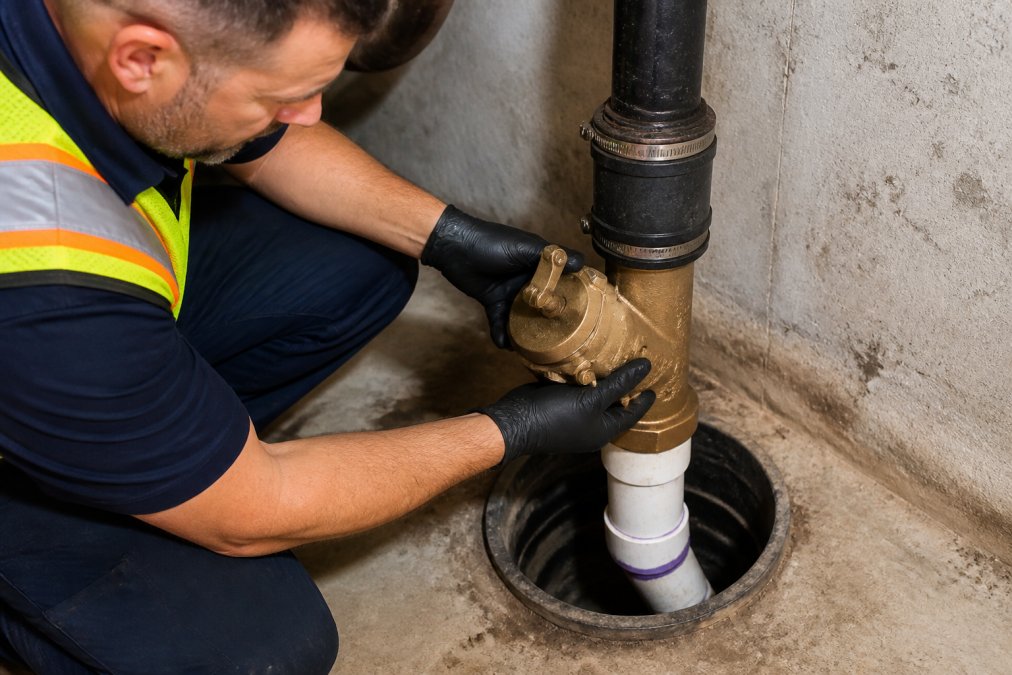
The valve comes in different materials: brass, cast iron, and modern composite designs. Your plumber will recommend the right type based on your specific line and local conditions. A backwater valve requires periodic maintenance. Have your plumber inspect it every 1-2 years and clean it if necessary.
Some municipalities require backwater valves in older neighborhoods with a history of sewer backups. Check with your local health department or building inspector to see if one is required or recommended for your address. In some cases, insurance may offer a premium discount if you install one.
Backwater Valve Installation Cost and What to Expect
Installation typically involves excavating the cleanout, breaking into the line, inserting the valve, and sealing it. If your cleanout is easily accessible and at a shallow depth, the job is straightforward. If it’s buried deep or in a difficult location, costs increase.
For a straightforward installation in an accessible location, expect the work to take 2-4 hours. Your plumber should provide an upfront estimate before starting work. The valve itself is a relatively small cost. The labor, excavation, breaking the line, installation, and sealing comprise the bulk of the expense. Some municipalities also require a permit for this work. After installation, budget for a professional inspection every 1-2 years to ensure the internal mechanism is clean and functioning properly.
Step 5: Remove Tree Roots and Prevent Future Intrusion
Tree roots in your sewer lateral are a serious problem in older neighborhoods where mature trees have had decades to grow. Roots exploit even tiny cracks in clay and cast iron pipes, entering the line and growing until they completely block flow.
Hydro-jetting is the most effective way to clear roots from an existing blockage. A high-pressure water jet (typically 3,000-4,000 PSI) blasts through roots and debris, clearing the line. This is not a permanent solution, roots will return unless you address the underlying crack, but it restores flow immediately.
For a permanent fix, the damaged section of pipe must be replaced. Modern trenchless pipe repair technology allows replacement without excavating your entire yard. Pipe bursting or pipe lining techniques can replace or reinforce the damaged section with minimal disruption.
Preventing future root intrusion means addressing the conditions that attract roots. Remove trees directly over your sewer line if possible. If removal isn’t practical, consider installing a root barrier. Don’t plant new trees or large shrubs directly over your sewer line.
If you have large trees on your property, get a sewer camera inspection done. Knowing whether roots are already present lets you plan repairs before a backup occurs.
Step 6: Replace Damaged Sewer Lines With Modern Solutions
When a sewer line is severely damaged, cracked, or collapsed, replacement becomes necessary. Traditional replacement involves excavating the entire length of the damaged pipe, removing the old pipe, and installing new pipe. This is disruptive but straightforward.
Trenchless technology offers a less disruptive alternative. Pipe bursting uses a hydraulic tool that breaks the old pipe apart from the inside while simultaneously pulling new pipe into place. Pipe lining (cured-in-place pipe or CIPP) involves inserting a flexible tube coated with resin into the damaged pipe. The resin hardens, creating a new pipe inside the old one.
Trenchless methods are more expensive per foot than traditional replacement but save money on excavation and landscaping restoration. Modern sewer pipe materials, PVC, HDPE, and composite materials, last 50-100+ years and resist corrosion, tree root intrusion, and structural settling far better than clay or cast iron.
Before committing to replacement, get a detailed sewer camera inspection and a written scope of work. Know exactly which section is damaged and why. The main sewer line runs from your house to the municipal main. If the municipal connection itself is damaged, your municipality may be responsible for repairs.
Preventing sewer backups in older homes requires understanding what’s happening underground and taking action before problems become emergencies. Regular inspections, proper maintenance, and strategic upgrades like backwater valve installation keep your system functioning reliably. If you’re dealing with slow drains, sewage odors, or frequent backups, don’t wait. Alpha Rooter & Plumbing provides comprehensive sewer line inspection, hydro-jetting, and modern trenchless repair solutions with state-of-the-art diagnostic equipment and licensed professionals available 24/7. Call now for an inspection and upfront estimate.
| Prevention Strategy | Frequency | Best For |
|---|---|---|
| Sewer camera inspection | Every 3-5 years | Detecting early damage and monitoring deterioration |
| Hydro-jetting | As needed (when blockage occurs) | Clearing grease, roots, and debris from existing lines |
| Backwater valve installation | One-time | Protecting basement fixtures from sewage backup during municipal system overflow |
| Tree root removal | Every 1-2 years (if roots present) | Maintaining flow in lines with minor root intrusion |
| Sewer line replacement | One-time (when severely damaged) | Permanent solution for cracked, collapsed, or severely deteriorated pipes |
Frequently Asked Questions
What are the early warning signs of a sewer line blockage?
Common warning signs include slow drains in multiple fixtures, gurgling sounds from toilets or drains, sewage odors in your yard or basement, and water backing up into bathtubs or showers. If you notice these signs in an older home, schedule a sewer camera inspection immediately. Early detection prevents costly backups and structural damage to your sewer lateral and main sewer line.
Do backwater valves effectively prevent sewer backups?
Yes, backwater valves are highly effective. They allow wastewater to flow out but automatically close if sewage tries to back up into your home. This one-way check valve protects your plumbing system from municipal sewer system overflows and tree root intrusion. For older homes, a backwater valve is often a practical preventative measure, especially when combined with regular sewer line maintenance and inspections.
How often should I have my sewer line inspected in an older home?
Most older homes benefit from a sewer line inspection every 1-2 years, especially if you have clay or cast iron pipes. If you notice slow drains or frequent backups, inspect annually. A camera inspection reveals structural defects, offset joints, root intrusion, and pipe collapse before they cause emergencies. This preventative approach can help save on emergency repairs and sewer line replacement costs.
Can I prevent tree root intrusion in my sewer line?
Complete prevention is difficult once tree roots reach your sewer line, but you can reduce risk by avoiding tree planting directly over sewer laterals and maintaining distance from your main sewer line. If roots are already present, hydro-jetting removes them temporarily. For permanent solutions, consider trenchless pipe repair or sewer line replacement. Regular inspections catch root problems early before they cause blockages or pipe collapse.
EXTERNAL LINKS VERIFICATION:
- [EXTERNAL_LINK: EPA guidance on sanitary sewer systems | epa.gov] ✓
- [EXTERNAL_LINK: American Society of Civil Engineers standards for sewer infrastructure | asce.org] ✓
- [EXTERNAL_LINK: National Association of Plumbing-Heating-Cooling Contractors technical resources | naphcc.org] ✓
This article was written using GrandRanker
Comments are closed