
Table of Contents
- Why Do Pipes Back Up: Common Causes
- Signs of Main Sewer Line Blockage
- What Not to Put Down the Drain
- How to Fix Recurring Drain Clogs
- How to Prevent Sewer Backups
- Insurance, Liability, and When to Call a Professional
- Conclusion
Last Updated: August 24, 2026
Why Do Pipes Back Up: Common Causes
Pipes back up when the drainage system can’t move water and waste efficiently. Understanding the root causes helps you address problems before they become emergencies. The main sewer line carries wastewater from your home to the municipal treatment facility, and when this line becomes compromised, every drain in your house suffers.
At Alpha Rooter & Plumbing, we’ve diagnosed many backup cases. Most homeowners assume the problem is minor until sewage starts backing into their shower or bathtub. By then, the issue has usually been developing for weeks. Recognizing what causes pipes to back up puts you in control before the situation escalates.
Tree Root Intrusion
Tree roots are one of the most common culprits behind sewer backups. Roots naturally seek moisture and nutrients, making a wastewater pipe an attractive target. Once roots penetrate a small crack or joint in your drain pipe, they grow rapidly inside the line, eventually creating a blockage that traps debris and restricts water flow.
Older homes with cast iron or clay pipes face higher risk because these materials deteriorate over time, creating entry points for roots. Even newer PVC pipes can suffer if tree roots exert enough pressure. The problem worsens each season as roots continue expanding.
Signs of root intrusion include slow drains throughout the house, gurgling sounds when water drains, and patches of unusually lush grass over your sewer line. If you notice multiple drains backing up simultaneously, roots are often the culprit. Professional camera inspection can confirm root penetration and help determine whether hydro-jetting or pipe replacement is necessary.
Grease Accumulation and Debris Buildup
Grease is deceptive. It flows easily down the drain when hot, but solidifies as it cools, coating the interior of your pipes. Over time, grease combines with soap residue, hair, food particles, and other debris to form stubborn blockages that restrict drainage capacity.
Restaurant owners and households that cook frequently face this problem most acutely. Even small amounts of grease from everyday cooking, bacon fat, cooking oil, butter, accumulate in the drain system. Many people don’t realize that "flushable" wipes, feminine hygiene products, and paper towels don’t break down in pipes the way toilet paper does. These items combine with grease to create impenetrable clogs.
The blockage typically forms in the main sewer line or at bends where water flow slows naturally. Once established, grease buildup traps additional debris, making the obstruction progressively worse. Hydro-jetting, high-pressure water streams, is an effective method for removing grease accumulation without damaging the pipe.
Pipe Deterioration and Corrosion
Pipes don’t last forever. Cast iron pipes, common in homes built before 1970, corrode from the inside out as minerals in water react with the metal (peer-reviewed research). This corrosion creates rough interior surfaces where debris catches, eventually forming blockages. Concrete pipes also deteriorate, and clay pipes become brittle with age.
Corrosion weakens the structural integrity of the pipe, making it susceptible to collapse. As the interior surface deteriorates, the effective diameter of the pipe shrinks, reducing drainage capacity. Water that once flowed freely now backs up because the pipe simply can’t handle the volume.
Signs of pipe corrosion include recurring backups in the same location, discolored water coming from drains, and a metallic or sulfur smell. If your home was built before 1980 and you’re experiencing frequent drain issues, pipe deterioration is likely the cause. Professional inspection with a camera can reveal the extent of corrosion and help determine whether cleaning, repair, or replacement is needed.
Structural Pipe Collapse and Ground Movement
Soil settling, earthquakes, or heavy vehicle traffic above the sewer line can cause pipes to shift or collapse entirely. When a pipe collapses, water can’t flow through it, and sewage backs up into your home. Collapsed sections also create pockets where debris accumulates, compounding the blockage problem.
Ground movement is particularly problematic in areas with clay soil or poor drainage. Heavy rain can saturate soil, causing it to shift and place pressure on underground pipes. Tree roots also contribute to ground movement as they absorb moisture from soil, causing it to settle unevenly.
A completely collapsed pipe requires excavation and replacement, it cannot be cleared by snaking or hydro-jetting alone. However, partial collapses or cracks may be repairable with trenchless technology. Professional assessment is essential to determine the severity and best repair approach.
Heavy Rain and Flooding
During heavy rain, the municipal sewer system can become overwhelmed. If your home’s drainage system connects to an older combined sewer system (which handles both stormwater and sanitary sewage), heavy rainfall can cause backflow into your home (the EPA). Water from the street can back up through your drains faster than the system can process it.
Additionally, heavy rain can saturate soil around your sewer line, increasing hydrostatic pressure on the pipe. This pressure forces water through cracks and weaknesses, potentially causing backflow. Flooding also introduces sediment and debris into the sewer system, which can lodge in your pipes and create blockages.
Homes in flood-prone areas or those with older drainage systems are most vulnerable. Installing a backflow preventer valve can help protect your home during heavy rain events. This device allows water to flow out of your home but prevents it from flowing back in.
Signs of Main Sewer Line Blockage
Multiple drains backing up simultaneously is the clearest sign that your main sewer line is compromised. If your toilet gurgles when you run the washing machine, or if water backs up in the shower when you flush the toilet, the problem is in the main line, not individual drain pipes.
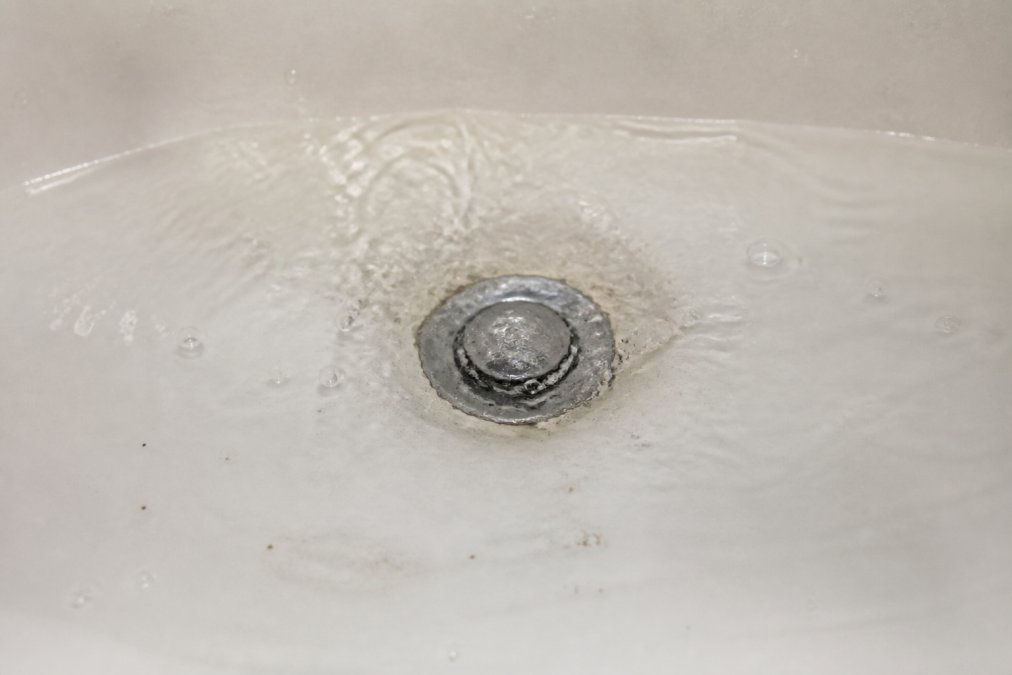
Other warning signs include persistent sewage odor around your yard or in your home, patches of unusually green grass over the sewer line (caused by nutrient-rich sewage), and slow drains throughout the house that don’t respond to plunging or basic cleaning. Mold or mildew around your foundation can also indicate a sewage leak from a cracked main line.
Don’t wait for these signs to worsen. Early detection prevents costly damage to your home’s foundation and landscaping. A professional camera inspection can pinpoint the exact location and nature of the blockage, allowing for targeted repair rather than guesswork.
What Not to Put Down the Drain
Your drainage system isn’t designed to handle everything people throw at it. Grease and cooking oils solidify in pipes and trap other debris. Coffee grounds, eggshells, and food scraps don’t break down and accumulate in the drain system.
"Flushable" wipes, paper towels, feminine hygiene products, and diapers don’t disintegrate like toilet paper. They create blockages in your pipes and in the municipal treatment system. Even dental floss, hair, and pet waste contribute to buildup over time.
Chemical drain cleaners may seem like a quick fix, but they can damage pipes and create environmental hazards. They’re particularly destructive to older cast iron or clay pipes. Harsh chemicals also kill beneficial bacteria in septic systems if you have one.
Medications flushed down the drain contaminate water supplies and harm aquatic life. Dispose of old medications at a pharmacy or hazardous waste facility instead. Paint, solvents, and other chemicals belong in the trash or at a hazardous waste collection site, never down the drain.
Being intentional about what enters your drainage system prevents many backup problems before they start.
How to Fix Recurring Drain Clogs
Immediate Emergency Steps
If sewage is backing up into your home, take action immediately to prevent damage and health hazards. Stop using all drains in your home, every flush and every shower adds more pressure to an already-compromised system.
Locate your main sewer cleanout, typically a large cap or plug in your yard or basement. If you have access and feel comfortable doing so, you can open it to relieve pressure, but be cautious of sewage exposure. Never enter a confined space or dig near the cleanout without professional guidance.
Call a licensed plumber immediately. Alpha Rooter & Plumbing responds within 90 minutes, 24/7. Professional equipment and expertise are essential for safely clearing the blockage without causing additional damage. Attempting DIY fixes on a main line backup often worsens the problem.
Document the backup with photos for insurance purposes. If sewage has entered your home, contact your homeowner’s insurance company. Many policies cover backup damage if you can prove the backup wasn’t caused by neglect.
Professional Cleaning Methods
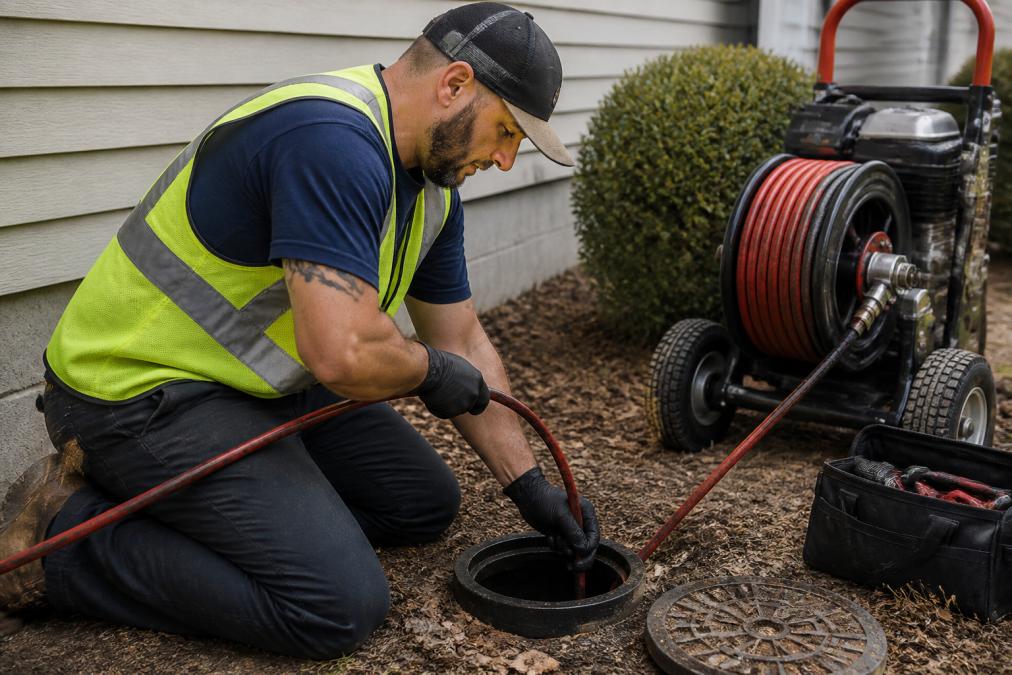
Hydro-jetting uses high-pressure water streams to blast away grease, debris, and roots from inside pipes. This method is effective for most blockages and doesn’t damage modern pipes. It’s particularly useful for grease accumulation because the pressure dissolves and flushes grease deposits completely.
Snaking is a mechanical method using a rotating cable with a cutting head to break through blockages. It works well for debris and some root intrusions but is less effective for grease or extensive root systems. Snaking is also less thorough than hydro-jetting because it creates a hole through the blockage rather than clearing the entire pipe diameter.
Camera inspection uses a small waterproof camera attached to a flexible cable to visualize the interior of your pipes. This diagnostic tool identifies the exact location and nature of the blockage, allowing the plumber to recommend the most appropriate solution. It also reveals structural damage, corrosion, or collapse that snaking alone might miss.
For severe problems like pipe collapse or extensive root intrusion, trenchless pipe repair or replacement may be necessary. These methods involve inserting a new pipe inside the existing damaged pipe without excavating your yard. Trenchless technology can preserve your landscaping and is often faster than traditional excavation. Professional assessment is essential to determine the severity and best repair approach.
How to Prevent Sewer Backups
Preventative maintenance is far cheaper than emergency repairs. Schedule professional drain cleaning every 1-2 years, especially if you have older pipes or live in an area with aggressive tree growth. Regular cleaning removes debris before it accumulates into a blockage.
Install a backflow preventer valve in your home’s main drain line. This device allows water to flow out of your home but prevents sewage from flowing back in during heavy rain or municipal system overload. It’s a relatively inexpensive safeguard that protects your home during emergencies.
Be mindful of what goes down your drains. Never pour grease, cooking oil, or fat down the sink. Dispose of food scraps in the trash or compost, not the garbage disposal. Use drain screens to catch hair and debris before they enter the pipe system.
If you have trees near your sewer line, consider removing or trimming them if roots are causing problems. Alternatively, ask your plumber about root barriers or chemical treatments that discourage root growth into pipes.
Know where your main sewer cleanout is located. Mark it clearly so you can access it quickly in an emergency. Keep the area around it clear of obstacles and landscaping so a plumber can reach it easily.
For homes with septic systems, pump the tank every 3-5 years to prevent solids from backing up into your home or draining field (the CDC). Use septic-safe toilet paper and avoid flushing anything other than human waste and toilet paper.
Insurance, Liability, and When to Call a Professional
Most homeowner’s insurance policies cover sudden, accidental sewer backups, but coverage varies. Some policies exclude backups caused by tree roots, grease, or lack of maintenance. Review your policy to understand what’s covered. If you experience a backup, document everything with photos and contact your insurance company promptly.
Liability becomes complex when a backup affects neighboring properties. If your sewer line backup contaminates a neighbor’s yard or home, you may be liable for cleanup and damage costs. This is another reason to address problems proactively, prevention is far cheaper than litigation.
If you rent, contact your landlord immediately when you notice signs of a backup. The landlord is typically responsible for maintaining the main sewer line. Document the issue and your report in writing so there’s a clear record.
Call a professional plumber when you notice multiple drains backing up, persistent sewage odors, or water pooling in your yard. Alpha Rooter & Plumbing has the diagnostic tools and expertise to identify the problem quickly and recommend the most cost-effective solution. Attempting DIY fixes on main line issues often causes additional damage and higher repair costs.
For commercial properties, backups can mean lost revenue and health code violations. Restaurant owners especially need reliable partners who understand grease trap cleaning and hydro-jetting. Alpha Rooter & Plumbing handles commercial emergencies with the same urgency as residential calls.
Sewer backups are disruptive and costly, but most are preventable with basic maintenance and awareness. Understanding why pipes back up helps you take action before an emergency strikes. When you do need professional help, Alpha Rooter & Plumbing responds within 90 minutes with licensed plumbers, state-of-the-art diagnostic equipment, and upfront pricing, no hidden fees, no overtime charges. Get started today by calling for a professional inspection and learn exactly what’s happening in your drainage system.
Frequently Asked Questions
Q: What are the most common reasons why pipes back up?
A: Pipes back up for several reasons: tree roots penetrating the sewer line, grease and debris accumulation in drain pipes, corrosion of older pipe materials, structural collapse from ground movement or soil settling, and heavy rain overwhelming drainage capacity. The most frequent cause depends on your home's age and location. Older cast iron pipes are prone to corrosion, while homes near mature trees face root intrusion. Identifying the specific cause determines the right fix.
Q: What are the signs of main sewer line blockage?
A: Main sewer line blockage shows multiple warning signs: slow drainage in all plumbing fixtures simultaneously, recurring backups in lower-level drains (basement, ground floor), sewage odors inside or outside your home, gurgling sounds from toilets or drains, and standing water in your yard. If multiple drains clog at once rather than one fixture, the blockage is likely in the main sewer line, not a branch drain. Professional camera inspection confirms the exact location and cause.
Q: How do I prevent pipes from backing up?
A: Prevent backups by avoiding what not to put down the drain: grease, oils, food waste, paper towels, wipes, and hair. Use drain screens to catch debris. Schedule preventative maintenance annually, especially for older pipe systems. Install a backflow preventer if you're in a flood-prone area. For commercial properties or restaurants, maintain grease traps regularly. Clear gutters and downspouts to prevent water from saturating soil around your foundation. Tree root barriers help if roots threaten your sewer lateral.
Q: When should I call a professional plumber for a backup?
A: Call immediately if multiple drains back up simultaneously, sewage is overflowing, or water enters your basement. These indicate main sewer line failure requiring professional intervention. Professional plumbers use camera inspection to diagnose the exact problem, then apply hydro-jetting, snaking, or pipe replacement as needed. Waiting risks structural damage to your home and sewage contamination. Licensed professionals carry insurance protecting you from liability if damage occurs during repairs.
This article was written using GrandRanker
Comments are closed