
Table of Contents
- 10 Common Causes of Broken Sewer Pipes
- 1. Tree Root Intrusion
- 2. Aging and Deteriorating Pipes
- 3. Corrosion of Sewer Lines
- 4. Ground Movement and Soil Shifting
- 5. Incorrect or Ill-Fitted Installation
- 6. Pipe Settlement and Sagging
- 7. High Water Pressure and Hydraulic Shock
- 8. Grease and Debris Buildup
- 9. Freeze-Thaw Cycles
- 10. Structural Defects and Manufacturing Flaws
- Broken Sewer Line Signs You Shouldn’t Ignore
- Tree Roots in Sewer Line: Prevention and Detection
- Sewer Line Repair Options and Next Steps
- How to Distinguish a Sewer-Line Problem From a Local Drain Clog
- Frequently Asked Questions
Last Updated: October 8, 2026
10 Common Causes of Broken Sewer Pipes
Broken sewer pipes are one of the most costly problems a homeowner can face. At Alpha Rooter & Plumbing, we’ve seen firsthand how quickly a small crack can turn into a major emergency. Understanding what causes sewer pipe failure helps you spot trouble early and avoid expensive repairs down the road.
The most common culprits behind broken sewer pipes fall into predictable patterns. Some stem from age and wear. Others result from external forces pushing on the line. A few come from poor installation decisions made decades ago. Knowing which threat applies to your home puts you in control.
Here are the 10 most common causes of broken sewer pipes, ranked by frequency:
1. Tree Root Intrusion
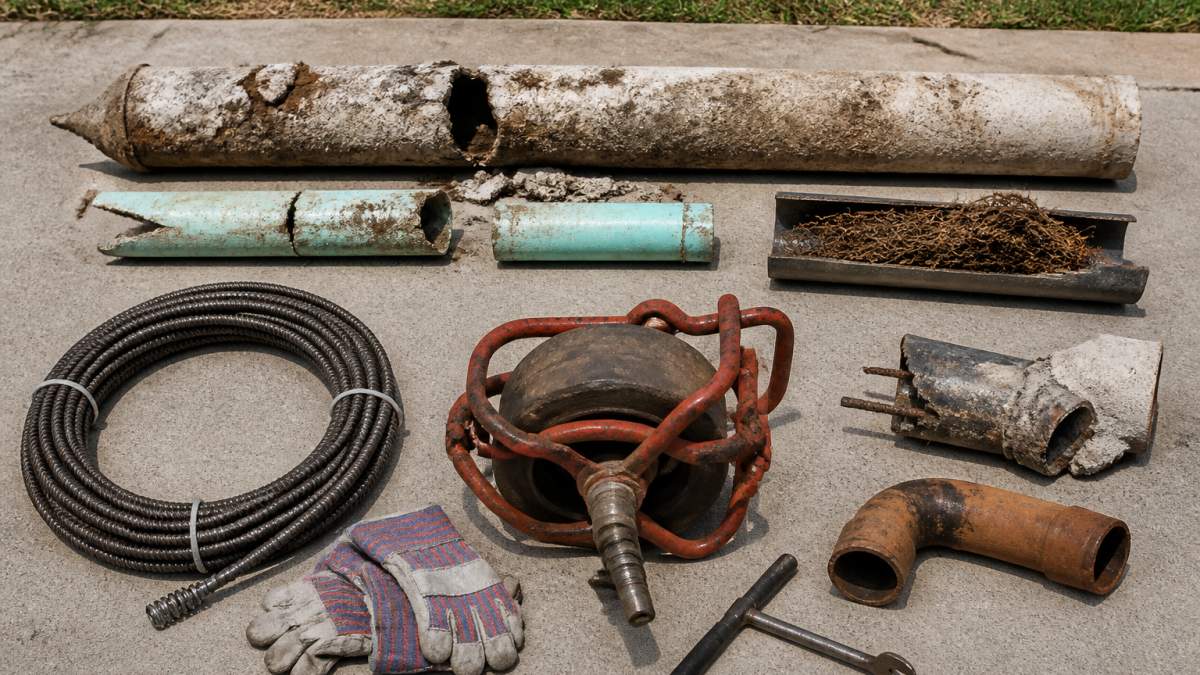
Tree roots are the leading cause of sewer line damage in residential areas. Roots grow toward moisture and nutrients. Your sewer pipe is both. Even a hairline crack in the pipe wall becomes an entry point.
Once inside, roots grow thicker over time. They wrap around the pipe interior. This creates blockages and eventually cracks the pipe itself. Clay and cast iron pipes are especially vulnerable. Newer PVC pipes offer better resistance, but roots can still find their way in.
Prevention matters here. Plant trees at least 10 feet away from your sewer line. Avoid willows, poplars, and maples near your home. These species have aggressive root systems.
If you notice slow drains in multiple fixtures or a toilet that bubbles when you flush, tree roots may already be inside your line. Early detection prevents complete pipe collapse.
2. Aging and Deteriorating Pipes
Pipes don’t last forever. Cast iron pipes installed in the 1950s and 1960s are now 70+ years old. Clay pipes from even earlier are crumbling from the inside out.
As pipes age, the interior walls corrode and weaken. Small cracks develop. The structural integrity fails. You can’t see this happening underground, but the signs appear in your drains.
Homes built before 1980 are at highest risk. If you live in an older neighborhood, your sewer line may already be failing. A professional inspection with a camera can tell you the actual condition.
3. Corrosion of Sewer Lines
Corrosive materials in wastewater attack pipe walls over decades. Cast iron pipes corrode from the inside. Hydrogen sulfide gas, produced by bacteria in the sewer, eats through metal. Clay pipes absorb moisture and deteriorate.
Water chemistry matters too. Acidic soil surrounding your pipes accelerates external corrosion. High-sulfate soils are particularly damaging.
Modern PVC pipes resist corrosion much better than older materials. But if you have cast iron or clay, corrosion is already happening. The question is how far it has progressed.
4. Ground Movement and Soil Shifting
The earth beneath your home is not stable. Soil shifts with moisture changes. Seasonal freezing and thawing cause movement. Heavy equipment or construction nearby can compact soil unevenly.
When soil shifts, it applies pressure to your sewer line. The pipe may crack. It may separate at the joints. A small shift doesn’t cause immediate problems, but repeated movement over years adds up.
Clay and cast iron pipes are rigid. They crack under pressure. PVC pipes are slightly flexible and handle movement better. But even PVC has limits.
If your home is built on clay soil or near a slope, ground movement becomes a real risk. Have your line inspected after heavy rains or during drought when soil shifts most dramatically.
5. Incorrect or Ill-Fitted Installation
Poor installation decades ago creates problems today. If your sewer line was installed with incorrect slope, water pools inside the pipe instead of flowing freely. Sediment builds up. The line clogs.
Pipes installed at the wrong angle also experience uneven stress. Some sections bear more weight than others. Cracks develop at weak points.
Joints that don’t fit properly allow soil to infiltrate the line. This is called “I/I” (inflow and infiltration). Excess groundwater enters the pipe, overwhelming your system.
You can’t fix poor installation by yourself. But knowing your line was installed decades ago means problems are likely. A camera inspection reveals the slope and joint condition.
6. Pipe Settlement and Sagging
Over time, pipes can settle or sag in the ground. This happens when the soil beneath the pipe compacts unevenly. The pipe bends downward. Water pools in the low spot instead of flowing.
Sagging pipes collect debris, grease, and roots. Blockages form quickly. The pooled water also puts pressure on the pipe walls, leading to cracks.
Older installations are most prone to sagging. The ground has had 50+ years to settle. If your home is on fill dirt or unstable soil, sagging becomes more likely.
7. High Water Pressure and Hydraulic Shock
Water pressure spikes inside your pipes when you shut off a faucet quickly. This is called hydraulic shock or water hammer. The sudden pressure surge can crack weak pipes.
Older pipes weakened by corrosion are especially vulnerable. A single pressure spike might not break the pipe. But repeated shocks over years cause cumulative damage.
You might hear banging sounds in your walls when this happens. That’s the pipe reacting to pressure surges. If you hear this regularly, your pipes are under stress.
8. Grease and Debris Buildup
Grease poured down drains hardens inside your sewer line. Kitchen oils, fats, and soap residue accumulate. Over time, this buildup narrows the pipe opening.
The blockage traps other debris. Hair, paper, and food waste pile up. Pressure builds behind the clog. This pressure can crack the pipe or separate joints.
Restaurant owners and commercial kitchens face this risk most acutely. But residential kitchens contribute too. Every drain in your home eventually feeds into the main sewer line.
Never pour grease down the drain. Let it cool and solidify in a container, then throw it away. This single habit prevents many sewer line problems.
9. Freeze-Thaw Cycles
Water inside your sewer line freezes during cold winters. Ice expands and puts pressure on the pipe walls. When temperatures rise, the ice melts. The pipe expands and contracts.
This cycle repeats dozens of times each winter. The repeated stress cracks the pipe. Cracks start small but grow larger each freeze-thaw cycle.
Pipes near the surface or in poorly insulated areas are at highest risk. Homes in colder climates experience this damage more frequently.
10. Structural Defects and Manufacturing Flaws
Some pipes arrive at the job site with defects. A crack in the clay or a weak spot in cast iron goes unnoticed. The pipe is installed and buried. Years later, the defect becomes a full break.
Manufacturing flaws are rare but do happen. Poor quality control in older pipe production meant some batches had weak spots. These pipes fail sooner than expected.
You can’t predict or prevent manufacturing defects. But knowing they exist is useful context if your relatively new line fails unexpectedly.
Broken Sewer Line Signs You Shouldn’t Ignore
A broken sewer line announces itself through several warning signs. The earlier you catch them, the less damage occurs.
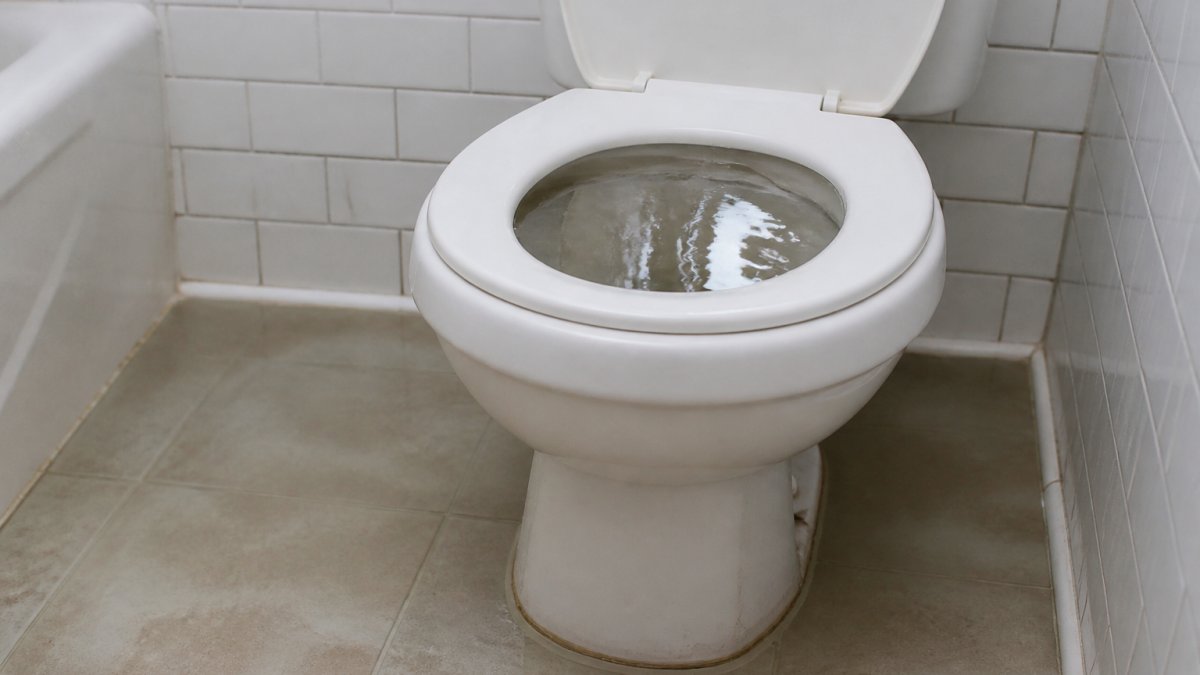
Multiple slow drains are the most common indicator.
Frequent backups mean wastewater can’t flow out properly.
Bubbling toilets happen when air gets trapped in the line. Flush the toilet and watch for bubbles in the bowl.
Foul sewer odors around your yard indicate a crack in the underground pipe. Gases escape into the soil.
Patches of unusually green or lush grass can signal a leak. Sewage acts as fertilizer.
Cracks in your foundation sometimes indicate sewer line problems.
Don’t ignore these signs. Call a professional plumber as soon as you notice them.
Tree Roots in Sewer Line: Prevention and Detection
Tree root intrusion deserves special attention because it’s so common and so preventable.
Prevention starts with smart landscaping. Know where your sewer line runs.
Avoid planting willows, poplars, maples, and aspens near your home. These species have aggressive root systems that actively seek water.
Detection requires a camera inspection. You can’t see roots inside your pipe with your eyes.
Early detection matters. If roots have just entered the pipe, they can be removed before major damage occurs.
Maintenance helps too. Have your main sewer line inspected every 3-5 years if you have large trees nearby.
If roots are found, you have options. Root barriers installed around the pipe can slow future growth.
Sewer Line Repair Options and Next Steps
Once you’ve confirmed a broken sewer pipe, you need repair options.
Traditional excavation involves digging up the damaged section. The old pipe is removed and replaced with new PVC pipe.
Trenchless repair has become popular for good reason. A new pipe is inserted inside the old broken pipe.
Trenchless methods work best for cracks and moderate damage.
Spot repairs fix only the damaged section instead of replacing the entire line. This is the most affordable option.
The right choice depends on the damage severity, your budget, and your situation.
Next steps after diagnosis:
- Get a written estimate from a licensed plumber
- Understand what’s included (permit costs, restoration, warranty)
- Ask about financing options if the repair is expensive
- Schedule the work before problems worsen
- Verify the plumber is licensed and insured
At Alpha Rooter & Plumbing, we provide upfront pricing with no hidden fees.
How to Distinguish a Sewer-Line Problem From a Local Drain Clog
Not every slow drain means your sewer line is broken. Sometimes it’s just a local clog.
A local drain clog affects one fixture. Your kitchen sink backs up, but your toilet and shower drain fine.
A sewer line problem affects multiple fixtures simultaneously. Your toilet, shower, and sink all slow down or back up at the same time.
Test this yourself: Fill your bathtub while watching your toilet. Does the toilet water level rise?
Sewer line problems produce sewer odors. You smell rotten eggs or sewage inside your home.
Professional diagnosis is definitive. A plumber can use a camera to see exactly where the problem is.
Don’t assume you need a full sewer line replacement based on slow drains. Get a professional inspection first.
Broken sewer pipes create expensive problems if left untreated.
When you spot these signs, call a licensed plumber immediately. Our team uses state-of-the-art camera inspection equipment to diagnose the exact problem.
Frequently Asked Questions
How can you tell if your sewer line is broken?
Common signs of a broken sewer pipe include frequent backups in multiple fixtures (toilets, showers, sinks), slow drainage throughout your home, bubbling or gurgling sounds from drains, foul sewer odors indoors or in your yard, patches of unusually green grass, and sewage pooling near your foundation. If you notice multiple fixtures backing up simultaneously rather than just one drain, that’s a strong indicator of a main sewer line problem rather than a local clog. A licensed plumber can confirm the issue using camera inspection technology.
Can tree roots break a sewer line?
Yes, tree roots are one of the most common causes of broken sewer pipes. Roots seek out moisture and are attracted to the small cracks and joints in sewer lines. Once inside, they grow and expand, creating blockages and eventually cracking or collapsing the pipe. Roots in sewer lines are particularly problematic because they continue growing and can cause repeated backups even after initial cleaning. Prevention includes keeping trees and large shrubs away from sewer lines and having your line inspected regularly if you have mature trees on your property.
What should you do if you suspect a broken sewer line?
First, stop using water and avoid flushing toilets to prevent further backup. Document any symptoms like odors, slow drains, or visible sewage. Contact a licensed plumber immediately for a professional inspection using video camera technology, which can pinpoint the exact location and nature of the damage. The plumber can determine whether you need drain cleaning, repairs, or full line replacement. For urgent situations like sewage backing into your home, call emergency plumbing services right away. Never attempt DIY repairs on a main sewer line, as improper work can worsen the problem.
How does pipe material affect sewer line failure risk?
Older pipes made from clay or cast iron are more prone to deterioration, corrosion, and root intrusion than modern PVC pipes. Clay pipes, common in homes built before the 1970s, are porous and break easily. Cast iron pipes corrode over time, especially in acidic soil conditions. PVC pipes, used since the 1970s, are more durable and resistant to root intrusion and corrosion, but they can still fail due to ground movement or installation defects. Knowing your pipe material helps determine maintenance frequency and replacement urgency. A plumber can identify your pipe type during a camera inspection.
Comments are closed