
Table of Contents
- Document Your Plumbing Symptoms Before Scheduling
- How to Describe a Plumbing Problem to a Plumber
- Create a Plumbing Service Call Checklist for Your Home
- Questions to Ask a Plumber Before Hiring
- How Long Does a Plumbing Service Call Take
- Emergency Triage and Safety Steps
- What to Expect After Your Service Visit
- Frequently Asked Questions
Last Updated: October 12, 2026
Document Your Plumbing Symptoms Before Scheduling
The first step in how to prepare for a plumbing service visit is knowing exactly what’s wrong. Write down what you’re seeing, hearing, and experiencing.
Photograph visible leaks under sinks, around toilets, and along exposed pipes, noting location, severity, and when you first noticed them.
Note unusual noises, banging pipes, gurgling drains, hissing, plus when they occur and what triggers them.
Test hot and cold water pressure; low pressure at one fixture differs from low pressure everywhere.
Document drains: backing up, slow, or stopped, and which are affected. One slow drain suggests a local clog; several suggest a downstream issue.
Take a short video on your phone showing the problem. A 15-second clip of water backing up or pipes dripping tells the plumber more than words alone.
How to Describe a Plumbing Problem to a Plumber
When you schedule your plumbing service visit, use specific language so the plumber understands the urgency and comes prepared.
Instead of “my pipes are broken,” say: “I have a visible pipe leak under my kitchen sink that started this morning, dripping into a bucket every 30 seconds.”
For drains: “My bathroom sink drains in about 2 minutes, and the toilet gurgles when the sink drains” suggests a vent problem or deeper blockage.
For water damage, explain the scope: “Water is coming into my basement” is an emergency; “a small wet spot on the basement wall” might be a slow leak.
Use these phrases when describing your issue:
- “The problem started [specific date/time]”
- “It happens when I [specific action]”
- “The water/sound/pressure is [specific observation]”
- “I’ve noticed [specific change from normal]”
Create a Plumbing Service Call Checklist for Your Home
A solid plumbing service call checklist tells the plumber what they need to know and your household what to expect, the second job is where visits go smoothly or sideways.
What to Gather Before the Appointment
Start by pulling together information about your plumbing system and service history.
Collect these documents before your appointment:
- Previous repair receipts or invoices
- Your home’s age and construction type
- Information about past plumbing work
- Warranty details on fixtures or pipes
- Photos or a short video of the problem area
- A written list of all issues you’ve noticed
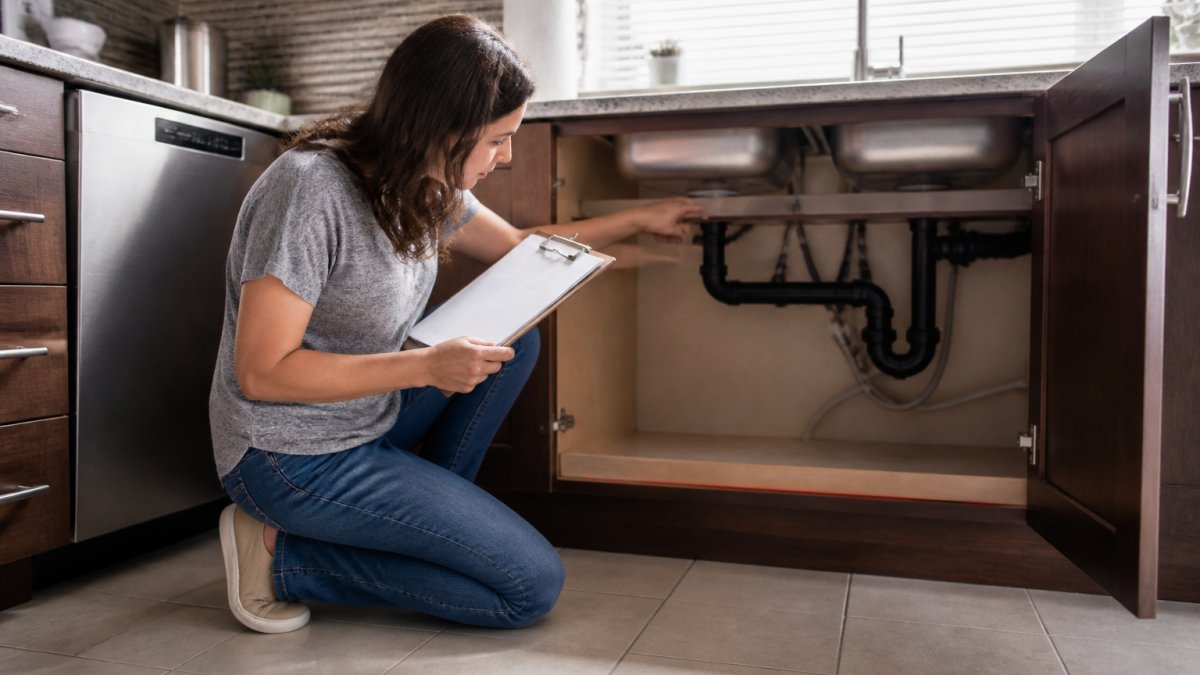
Service history matters. If you’ve had the same problem before, or know your pipes are cast iron from the 1950s or PVC from a recent renovation, say so, it helps the plumber judge whether this is isolated or a symptom of something larger.
Note previous plumbers’ names and dates, what they fixed, and whether the problem returned, that history prevents wasted diagnostic time and reveals patterns.
Keep your home’s documentation accessible. The plumber might need to know:
- When your water heater was installed
- Whether your home has a water softener
- If you’ve had sewer line issues
- The location of your main water shutoff
Appointment Logistics: Parking, Entry, Pets, and Who Approves the Work
This is the part most checklists skip, and it’s the part that most often delays a visit.
Parking and access. A service van needs a clear, legal spot near your entry.
Pets and children. Confine dogs and cats to a closed room before the plumber arrives, even friendly pets can trip a technician or slip out an open door.
Who is authorized to approve work. Decide before the visit who can approve a repair and sign the invoice.
For renters. In most rentals, the tenant reports the problem and provides access, but the landlord or property manager authorizes and pays for the repair.
Accessibility and communication needs. If anyone in the household needs step-free access, a sign-language interpreter, or a preferred language, mention it when you book.
Clear Access to Fixtures and Work Areas
Before the plumber arrives, clear access to problem areas to save time and prevent damage to your belongings.
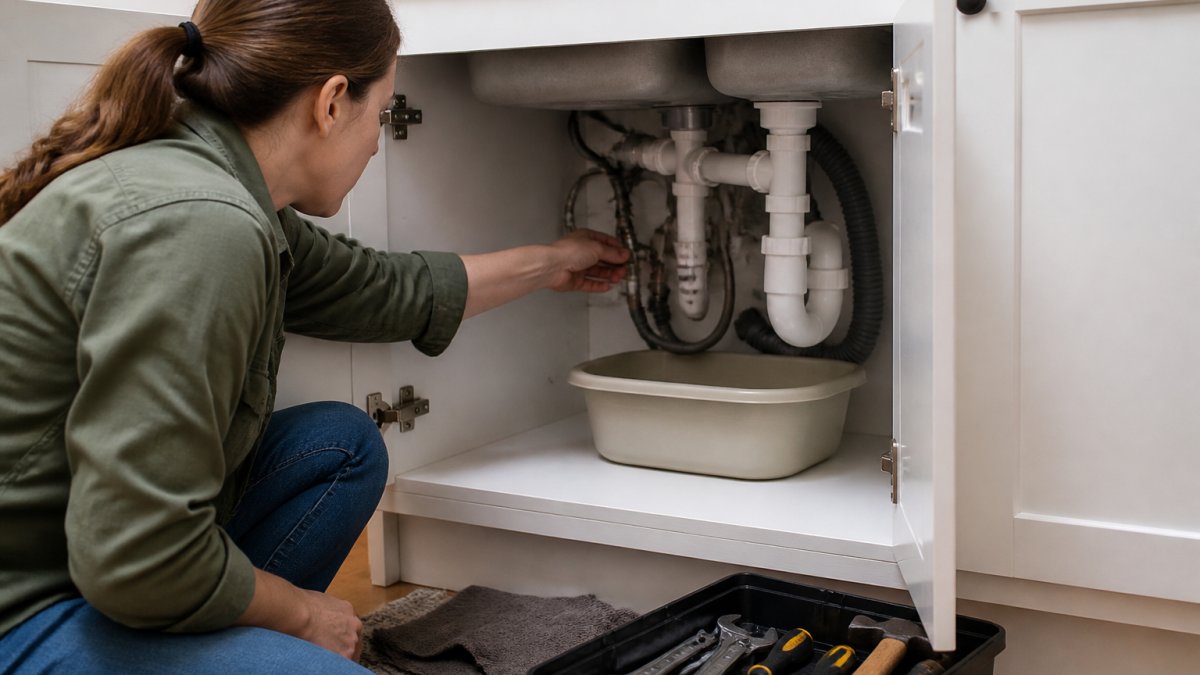
For under-sink work, empty the cabinet and clear a 2-foot radius around the fixture, the plumber needs room and may need to remove pipes or access the wall behind the sink.
For toilet repairs, remove bath mats, rugs, and trash cans, and clear the area around the base completely.
For drain problems, clear the area around affected fixtures:
- Remove items from shower or tub surrounds
- Clear the floor around sinks
- Move any furniture blocking access to walls or crawl spaces
For outdoor work like main shutoff or sewer line access, remove hoses, potted plants, or decorations that might obstruct the work.
Accessibility prevents accidental damage to your belongings and lets the plumber work safely and efficiently.
Text yourself a short checklist the night before: gate code, pet secured, cabinet emptied, decision-maker reachable. Five items, thirty seconds, and the visit starts on time.
Questions to Ask a Plumber Before Hiring
Before committing to any plumbing service visit, ask these questions to avoid surprises.
About the plumber and company:
- Are you licensed and insured?
- How long have you been in business?
- Do you offer emergency service?
- What’s your typical response time?
About the work:
- What’s your initial assessment of the problem?
- What repair options do you recommend?
- How long will the repair take?
- Will you provide a written estimate before starting?
About costs:
- What’s included in your service fee?
- Do you charge for the service call itself?
- Are there additional charges for emergency service or after-hours work?
- What’s your payment policy?
About guarantees:
- Do you warranty your work?
- For how long?
- What does the warranty cover?
When you contact Alpha Rooter & Plumbing, ask about their 24/7 service availability, under 90-minute response time guarantee, and upfront pricing with no hidden fees, specifics that let you compare service levels across plumbers.
Licensed, insured plumbers with clear pricing and warranty policies reduce your risk significantly. Don’t hesitate to ask these questions, legitimate plumbers expect them.
How Long Does a Plumbing Service Call Take
How long your plumbing service call takes depends on the problem’s complexity. Typical timeframes help you plan your day.
Complex problems take longer: a major leak, water heater replacement, or extensive drain cleaning might take 2 to 4 hours.
The first part of any plumbing service visit is the initial inspection and assessment, which typically takes 15 to 30 minutes.
Once diagnosis is complete, the plumber explains what’s wrong, the cost, and how long the repair will take.
Plan to be home during the entire plumbing service call, the plumber may need access to multiple areas, and you’ll want to discuss findings and approve work.
What the Visit Will Cost and How Payment Usually Works
Time and money are the two questions every homeowner asks. Here’s how the money side typically works.
Diagnostic or call-out fees. Many companies charge a fee just to assess the problem; some waive it if you approve the repair.
Written estimates before work begins. A reputable plumber provides a written estimate breaking out parts, labor, and additional charges before starting.
Emergency and after-hours rates. Nights, weekends, and holidays often carry a higher rate.
Payment methods. Most companies accept major credit and debit cards, checks, and sometimes cash, and some offer financing for larger jobs. Confirm accepted methods before the visit.
If the estimate feels high. You can decline the work, pay only the diagnostic fee if one applies, and get a second estimate.
Ask three questions when you book: Is there a diagnostic fee? Will I get a written estimate before work starts? What payment methods do you accept? The answers tell you more about a company than any review.
How to Keep the Visit on Schedule
A few small moves shave real time off the visit:
- Have the decision-maker reachable by phone for the whole appointment window.
- Clear the work area before the plumber arrives, not while they’re standing in it.
- Have your service history and any prior invoices ready to hand over.
- Note the location of your main water shutoff in case the plumber needs it.
- Keep pets and children clear of the work zone.
None takes more than a few minutes, and together they can turn a two-hour visit into a ninety-minute one.
Emergency Triage and Safety Steps
In a plumbing emergency, the right safety steps before help arrives prevent further damage and protect your home.
If you have a burst pipe or major leak:
Locate your main water shutoff, typically near the water meter or where the main line enters your home, and turn it clockwise to stop water flow. This can prevent thousands of dollars in damage while you wait for emergency plumbing service.
If you can’t find the main shutoff, turn off water to the affected fixture instead. Most sinks, toilets, and water heaters have individual shutoff valves underneath or behind them.
If you have a sewage backup:
Stop using all water fixtures immediately, no flushing, sinks, or showers. Sewage backups indicate a serious problem downstream, and using water makes it worse.
If you have electrical concerns:
If water is near outlets, switches, or appliances, turn off power to that area at the circuit breaker. Water and electricity create serious hazards.
Never attempt to repair a burst pipe, sewer backup, or major leak yourself. These require professional diagnosis and repair. Improper fixes often make the problem worse and more expensive to correct.
Document the damage with photos for insurance purposes.
When you call for emergency plumbing service, clearly describe the situation and mention water damage, sewage backup, or electrical concerns.
What to Expect After Your Service Visit
Your plumbing service visit doesn’t end when the plumber leaves. Knowing what comes next protects your investment and catches problems early.
After the repair, ask the plumber to explain what was wrong, what they fixed, and any prevention tips.
Request a written invoice that details:
- The work performed
- Parts replaced
- Labor time
- Total cost
- Warranty information
- Any follow-up recommendations
Review the invoice carefully before paying, it documents your records and any insurance claim.
Most reputable plumbers warranty their work.
Monitor the repaired area over the next few days for new leaks, unusual sounds, or pressure changes.
If the plumber recommended follow-up service, schedule it promptly, addressing an aging water heater before failure prevents an emergency.
Keep all plumbing service documentation in a file. This helps future plumbers understand your system’s history and helps you track maintenance patterns.
Preparing for a plumbing service visit puts you in control of the process. Our licensed plumbers provide upfront pricing, state-of-the-art diagnostic tools, and a guarantee of under 90-minute response time. Contact Alpha Rooter & Plumbing to schedule your plumbing service visit or call for emergency service 24/7.
Frequently Asked Questions
What should I document before calling a plumber for a service visit?
Write down when the problem started, what you’ve noticed (visible leaks, low water pressure, unusual noises, or drain problems), and which fixtures are affected. Take photos of any water damage or visible issues. Note any previous repairs to that fixture or the plumbing system. This information helps the plumber diagnose the issue faster and gives you a clearer picture to share during your plumbing service call.
How do I describe a plumbing problem to a plumber clearly?
Be specific about symptoms: instead of ‘the sink doesn’t work,’ say ‘water drains very slowly from the bathroom sink and makes a gurgling sound.’ Mention when it started, whether it’s constant or intermittent, and if you’ve tried any fixes. Share your home’s age and pipe material if you know it. The more details you provide, the better the plumber can prepare and give you an accurate assessment during the service visit.
What questions should I ask a plumber before they start work?
Ask about the diagnosis and repair options available, the estimated cost and timeline, whether they’re licensed and insured, and what’s included in their upfront pricing. Request a written estimate before work begins. Ask if there are any guarantees on the repair and whether follow-up service is needed. These questions protect you and ensure you understand the scope of work before the plumber begins.
How long does a typical plumbing service call take?
Most service calls last 30 minutes to 2 hours, depending on the complexity of the issue and how quickly the plumber can access the problem. Emergency situations like burst pipes or sewer backups may take longer. The initial inspection and assessment typically take 15-30 minutes. Your plumber can give you a better estimate once they arrive and diagnose the issue, but having this timeframe helps you plan your day.