
Table of Contents
- What to Do Immediately When Sewer Backup Occurs
- Health Hazards and Safety Risks of Sewage Contamination
- Signs of Main Sewer Line Blockage to Watch For
- The Professional Sewage Backup Cleanup Process
- Sewer Backup Cleanup Cost: What Affects Your Bill
- Insurance Claims and Documentation for Sewage Damage
- How to Prevent Sewer Backups Before They Start
- Conclusion
Last Updated: August 22, 2026
What to Do Immediately When Sewer Backup Occurs
A sewage backup is one of the most urgent plumbing emergencies you can face. When sewage backs up into your home or business, every minute counts as contamination spreads and health hazards intensify.
First, stop using all water in the building immediately. Don’t flush toilets, run showers, do laundry, or use sinks. Every drop of water you send down the drain will back up into your property, making contamination worse. Multiple drains backing up simultaneously indicate a main sewer line problem requiring emergency sewer backup cleaning.
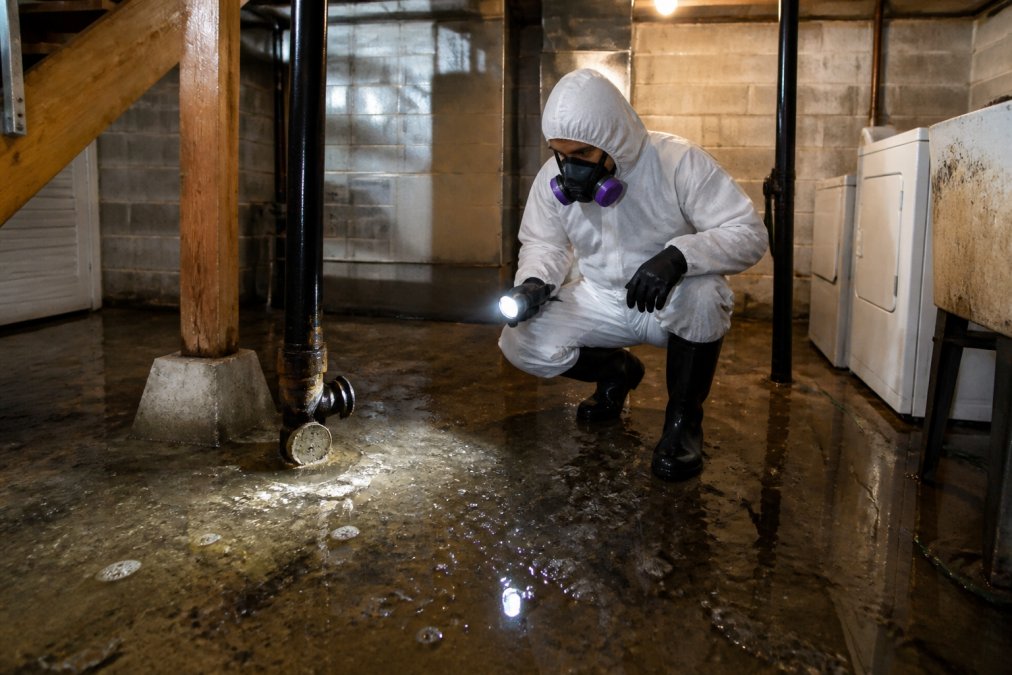
Second, evacuate the affected area. Sewage contains harmful pathogens, bacteria, and viruses that pose serious health risks. Keep children and pets away from contaminated spaces. If the backup is extensive or you smell strong sewage odors throughout your home, consider leaving the building entirely until professional help arrives.
Third, call Alpha Rooter & Plumbing immediately. A true sewer backup emergency requires licensed professionals with state-of-the-art equipment and proper protective gear. Have this information ready: where the backup is occurring, when you first noticed it, whether this is a first-time occurrence or recurring problem, and what water is currently backing up. Alpha Rooter & Plumbing guarantees a response time under 90 minutes with upfront pricing and no hidden fees.
Fourth, document the damage with photos and videos of affected areas before cleanup begins. This documentation is essential for insurance claims. Finally, avoid DIY cleanup attempts. Sewage contamination requires professional-grade disinfection that goes far beyond household cleaners.
Health Hazards and Safety Risks of Sewage Contamination
Sewage is genuinely hazardous to human health. Black water, the term for sewage from sewer lines, contains fecal matter, urine, harmful bacteria (E. coli, salmonella, hepatitis A virus), parasites, and chemical contaminants. Exposure can cause serious illnesses including gastroenteritis, hepatitis A, typhoid fever, and cryptosporidiosis, developing within hours or days.
Mold begins growing within 24-48 hours in wet environments created by sewage backups. Mold spores become airborne and can trigger asthma attacks, allergic reactions, and respiratory infections. Children, elderly individuals, and pregnant women are particularly vulnerable to sewage-related illnesses due to developing, declining, or compromised immune systems.
Watch for these health symptoms if you’ve been exposed to sewage: nausea, vomiting, diarrhea, abdominal cramping, fever, headaches, skin rashes, respiratory symptoms, or eye irritation. Seek medical attention if you experience any of these signs, particularly with direct sewage contact. Inform your doctor about the exposure so they can run appropriate tests.
Professional sewage backup cleanup teams use EPA-registered disinfectants and follow IICRC S500 standards for water damage restoration. They wear full protective equipment including respirators, gloves, and hazmat suits, this level of protection is necessary when handling black water contamination.
Signs of Main Sewer Line Blockage to Watch For
Multiple drain backups happening simultaneously indicate a main sewer line blockage rather than a single-drain clog. If water backs up from your toilet, shower, and sink at the same time, the problem is downstream in your main line. Slow draining throughout your entire home is another red flag.
Persistent sewage odors inside or around your home suggest a sewer line issue. Soggy patches in your yard or unusually lush grass in specific areas can indicate a sewer line leak or blockage, as sewage seeping into soil creates nutrient-rich conditions.
Rodent or insect infestations near your drains suggest a compromised sewer line. Backup occurring only during heavy rain indicates a sewer line issue combined with drainage system overwhelm. Recurring backups even after professional drain cleaning point to a deeper sewer line problem, such as tree root intrusion, line collapse, or offset joints requiring professional assessment.
The Professional Sewage Backup Cleanup Process
Professional sewage backup cleanup involves multiple specialized steps that go far beyond simple mopping and disinfection.
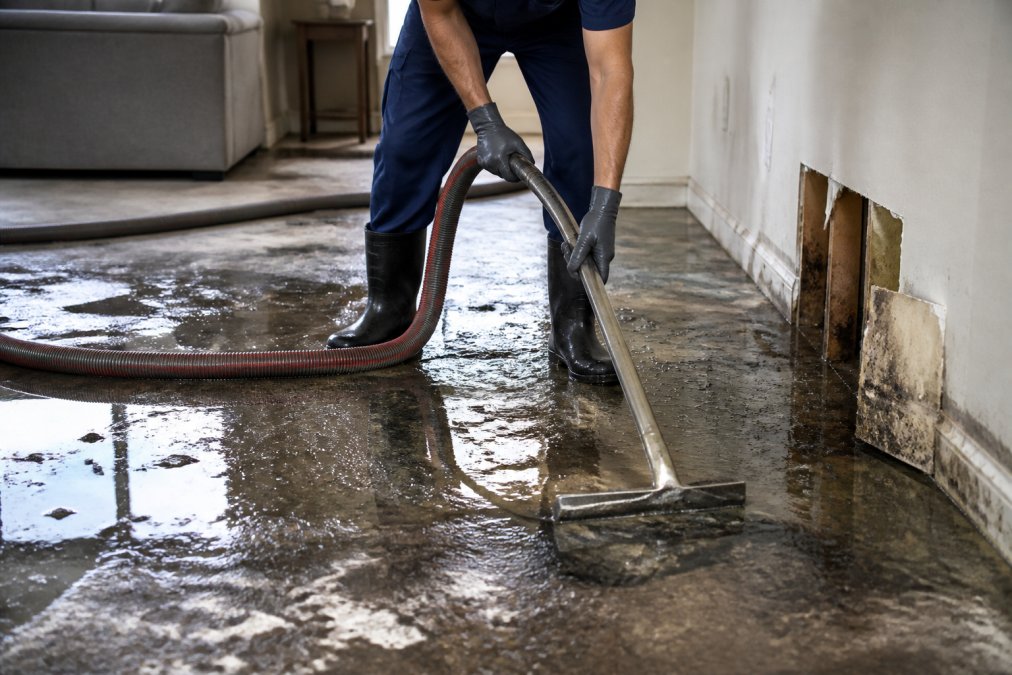
The process begins with professional assessment. Licensed plumbers use video camera inspection technology to identify the exact location and cause of the backup. Next comes sewage extraction using industrial-grade wet vacuums and pumps that handle hazardous black water safely.
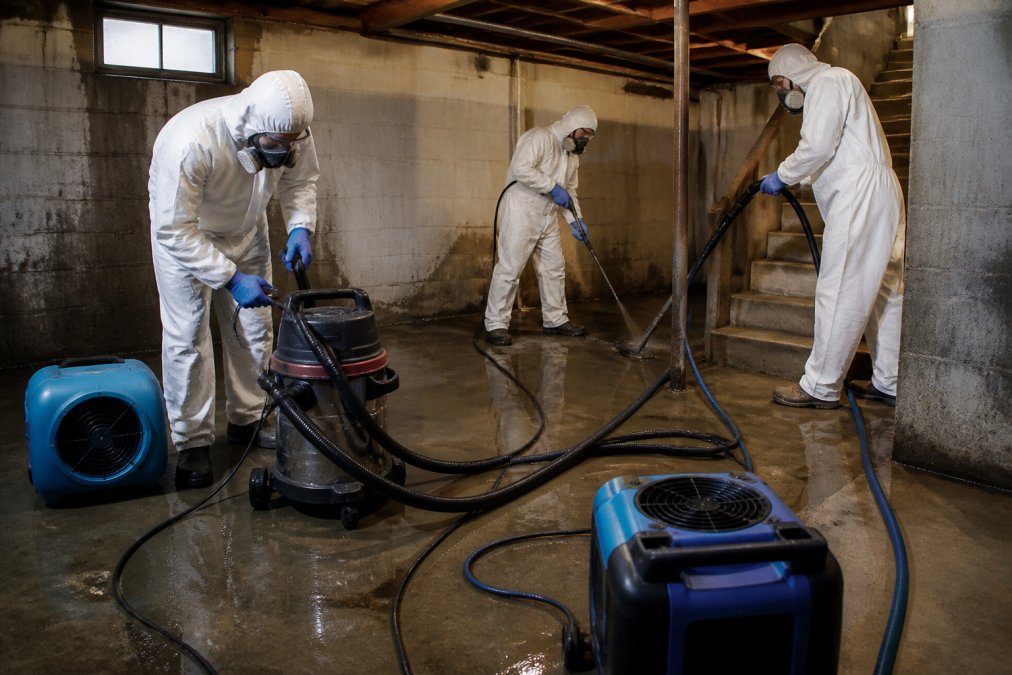
Decontamination and sanitization follow extraction. Professional teams apply EPA-registered disinfectants to all affected surfaces, killing pathogens and rendering the area safe. Structural drying prevents mold growth and secondary damage using dehumidifiers and specialized drying equipment, typically taking 48-72 hours depending on humidity levels and contamination extent.
Waste removal is the final step. All contaminated materials that cannot be safely disinfected, drywall, insulation, carpeting, personal items, are removed and disposed of according to environmental regulations. Alpha Rooter & Plumbing coordinates the entire process with state-of-the-art diagnostic and repair tools.
Sewer Backup Cleanup Cost: What Affects Your Bill
Sewer backup cleanup costs vary dramatically based on several factors. The extent of contamination is the primary cost driver. A backup affecting only a basement floor costs significantly less than sewage spread throughout multiple rooms or saturated insulation.
The cause of the backup affects remediation costs. A simple clog cleared with hydro-jetting costs less than a collapsed sewer line requiring excavation and replacement. Your property’s age and pipe material influence costs, as older homes with cast iron or clay pipes sometimes require specialized equipment and techniques.
The time required for structural drying and decontamination varies by property size and humidity conditions. Mold remediation, if needed after the backup, adds to overall costs.
When requesting quotes, ask what’s included in the pricing. Does it cover sewage extraction, decontamination, structural drying, waste removal, and the initial plumbing repair? Are there separate charges for equipment rental, disposal fees, or additional services? Alpha Rooter & Plumbing provides upfront pricing with no hidden fees, so you know exactly what you’ll pay before work begins.
Insurance may cover portions of cleanup costs depending on your policy. Document everything for your insurance company, including photos, professional assessments, and itemized cleanup invoices.
Insurance Claims and Documentation for Sewage Damage
Filing an insurance claim for sewage backup damage requires thorough documentation and understanding your coverage. Most homeowners insurance policies exclude coverage for sewer backups unless you’ve purchased specific sewer backup coverage.
Start by reviewing your insurance policy immediately. Check whether you have sewer backup coverage and what the deductible is. Some policies cover backups caused by external factors like tree roots or municipal system failure but not internal clogs.
Document the damage comprehensively before cleanup begins. Take photos and videos showing the location and extent of sewage contamination, affected personal belongings, visible damage to walls and flooring, water marks showing contamination height, and the date and time you first noticed the backup.
Create a detailed written record including the date and time the backup occurred, which drains were affected, whether this is a first-time occurrence or recurring problem, any previous plumbing repairs, and weather conditions. Obtain professional assessment documentation from your plumber including the cause of the backup, location of the blockage or damage, recommended repairs, and itemized costs.
Keep all receipts and invoices from professional cleanup and restoration services. Contact your insurance company promptly after the backup occurs and file a claim as soon as possible. Provide your documentation package including photos, professional assessments, and receipts. Be prepared to explain what caused the backup and appeal if you believe coverage should apply.
How to Prevent Sewer Backups Before They Start
Preventing sewer backups saves you from the trauma, expense, and health hazards of emergency sewer backup cleaning. Proactive maintenance is far more cost-effective than emergency response.
Never flush non-flushable items down toilets. Paper towels, facial tissues, feminine hygiene products, diapers, cotton swabs, dental floss, and wipes, even those labeled "flushable", accumulate in your sewer line and cause blockages. Only human waste and toilet paper should go down the toilet.
Manage grease carefully. Cooking grease solidifies as it cools, creating stubborn blockages in your sewer line. Never pour grease down drains. Avoid chemical drain cleaners, which can damage your pipes over time, particularly older cast iron or clay pipes.
Have your sewer line inspected regularly if your home is older or you’ve experienced previous backups. Video camera inspections identify problems like tree root intrusion, line deterioration, or offset joints before they cause backups. Watch for tree roots near your sewer line, as they can penetrate cracks and cause blockages or line collapse.
Install a backwater valve if you’re in an area prone to sewer backups. This one-way valve allows sewage to flow out of your home but prevents it from flowing backward into your property. Schedule regular drain maintenance with a professional service like Alpha Rooter & Plumbing to remove buildup before it becomes a serious problem.
Sewer backups create chaos, health hazards, and expensive damage. When you’re facing this emergency, professional help is essential. Alpha Rooter & Plumbing provides emergency sewer backup cleaning service with a guaranteed response time under 90 minutes, licensed professionals, state-of-the-art equipment, and upfront pricing with no hidden fees. Their team handles the entire process from diagnosis through complete restoration. When sewage backup strikes, call Alpha Rooter & Plumbing and get your property safe and functional again.
| Factor | Impact on Cost | How to Minimize |
|---|---|---|
| Contamination extent | Larger affected areas = higher costs | Act quickly to prevent spread |
| Backup cause | Structural damage costs more than simple clogs | Regular maintenance catches issues early |
| Property size | Larger homes require more drying time | Professional assessment prevents surprises |
| Mold growth | Additional remediation adds significant expense | Proper drying prevents mold development |
| Pipe age/material | Older pipes may require specialized techniques | Know your system’s condition |
Frequently Asked Questions
What should I do immediately if my sewer backs up?
Stop using all water immediately, toilets, sinks, showers, and washing machines. Turn off the main water supply if the backup is severe. Avoid contact with sewage and contaminated water, as it contains dangerous pathogens. Keep children and pets away from affected areas. Call a licensed emergency sewer backup cleaning service right away. Document the damage with photos for insurance purposes. Do not attempt DIY cleanup of sewage, as black water requires professional decontamination and biohazard protocols.
Is a sewer backup considered a health hazard?
Yes. Sewage contains harmful pathogens including bacteria, viruses, and parasites that cause serious illness. Exposure can lead to gastrointestinal infections, skin infections, and respiratory issues. Black water, raw sewage, is classified as Category 3 contamination and poses immediate health risks. Professional sanitization and disinfection using EPA-registered products are required to eliminate these hazards. Never handle sewage cleanup without proper protective equipment and training.
Does homeowners insurance cover sewer backup cleaning?
Standard homeowners insurance typically does not cover sewer backup damage. However, many insurers offer sewer backup coverage as an optional endorsement for an additional premium. Backup caused by tree roots, grease buildup, or age-related deterioration may fall under this optional coverage. Backups caused by municipal sewer system failure may be covered under different policies. Check your policy immediately and contact your insurer to understand your coverage. Document all damage with photos and keep receipts from professional cleanup services for your claim.
How long does professional sewer backup cleaning take?
The timeline depends on the severity and extent of contamination. Minor backups affecting one bathroom may take 4-8 hours. Major backups affecting multiple areas or requiring extensive structural drying can take several days. Initial sewage extraction typically takes 2-4 hours, followed by decontamination, disinfection, and moisture detection. Professional teams use state-of-the-art equipment to accelerate the process. Alpha Rooter & Plumbing guarantees response within 90 minutes and provides upfront timelines during the initial assessment.
This article was written using GrandRanker
Comments are closed