
Table of Contents
- Signs of Burst Pipe Emergency: How to Identify the Problem
- Step 1: Turn Off Electricity to Prevent Electrical Hazards
- Step 2: How to Shut Off Water in Apartment Immediately
- Step 3: Stop the Water Flow and Drain Remaining Water
- Step 4: Contact Your Landlord or Property Manager
- Step 5: Document Water Damage for Insurance Claims
- Step 6: File a Renters Insurance Water Damage Claim
- Step 7: Remove Water and Begin Moisture Mitigation
- Frequently Asked Questions
Last Updated: September 28, 2026
Signs of Burst Pipe Emergency: How to Identify the Problem
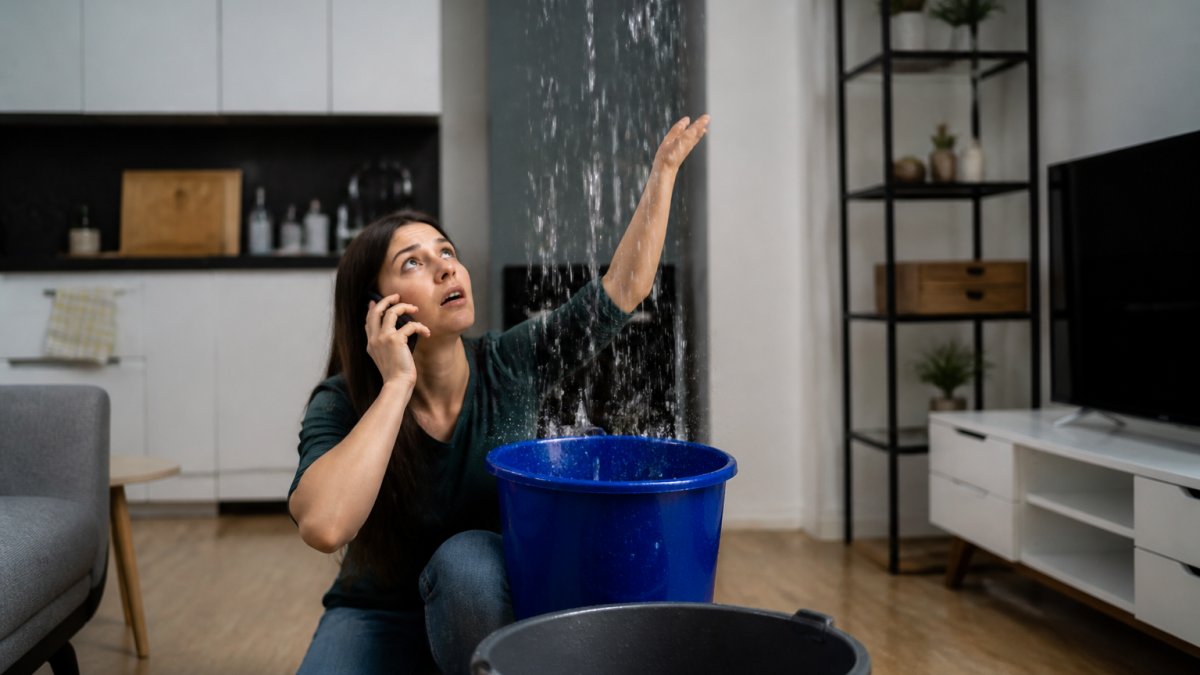
Understanding how to stop a burst pipe in apartment situations creates an immediate crisis response plan. Water floods into walls, ceilings, and floors within minutes. The damage spreads fast, and the longer you wait, the worse it gets.
Know the warning signs so you can act immediately. Look for sudden water spraying from walls or under sinks. Listen for loud hissing or banging sounds in the pipes. Check for water pooling on floors, ceiling stains, or wet spots on walls. A sudden drop in water pressure is another red flag.
If you see any of these signs, treat it as an emergency. Turn off the water right now. Call your landlord or property manager. Contact an emergency plumber, which offers 24/7 response and arrives in under 90 minutes.
The first few minutes determine how much damage occurs. Every second counts when you know how to stop a burst pipe in apartment situations.
Step 1: Turn Off Electricity to Prevent Electrical Hazards
Water and electricity are a deadly combination. If water is near outlets, light switches, or appliances, turn off the power immediately.
Go to your electrical panel. Flip the main breaker to the off position. This cuts power to the entire apartment. If you’re unsure which breaker controls what, flip the main breaker. It’s better to lose all power than risk electrocution.
Do not touch water near electrical outlets or appliances. Do not use electrical devices in wet areas. Water conducts electricity and can cause serious injury or death.
If the water is spreading near your electrical panel, leave the apartment and call emergency services. Let a professional handle it.
Step 2: How to Shut Off Water in Apartment Immediately
Stopping the water flow is your top priority. You need to find and close the main water shut-off valve. This stops water from entering your apartment.
Locating Your Main Water Shut-Off Valve
The main water shut-off valve controls all water entering your unit. It’s usually located near the water meter or where the main supply line enters your apartment.
Common locations include under the kitchen sink, in a basement or crawl space, in a utility closet, or near the front wall of the building. Check these spots first.
Look for a valve with a handle you can turn. It might be a round knob or a lever handle. Turn it clockwise (to the right) until it stops. This closes the valve and stops water flow.
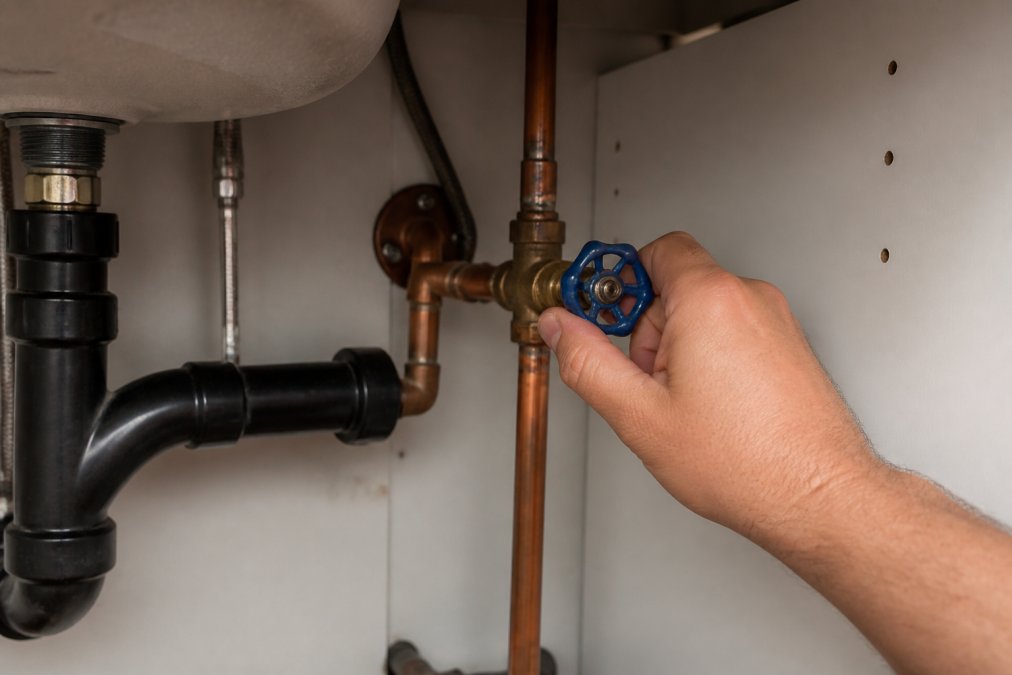
If you cannot find the main valve, ask your landlord or property manager for its location. They should know exactly where it is. Write down the location so you can find it quickly in future emergencies.
Individual Fixture Shut-Off Valves
If you cannot reach the main valve, shut off water at the source. Each fixture (sink, toilet, shower) has its own shut-off valve.
Look under the sink or behind the toilet. You’ll see a small valve on the water supply line. Turn it clockwise to close it. This stops water to that specific fixture.
If the burst pipe is in the wall or ceiling, you may not be able to reach an individual valve. In that case, you must find the main shut-off valve.
Step 3: Stop the Water Flow and Drain Remaining Water
After closing the main valve, water still fills the pipes. You need to drain it so it doesn’t continue leaking.
Open all cold-water taps in your apartment. Let the water run until it stops. Open the lowest faucet in the building if you can access it. This drains water downward through the pipes.
Flush toilets to empty the tanks. This releases trapped water in the system.
Open any outdoor faucets or hose bibs if your apartment has access to them. This helps drain water from the supply lines.
Once the water stops flowing from all taps, the main water flow has been stopped and drained. This prevents additional water damage while you wait for professional help.
Step 4: Contact Your Landlord or Property Manager
Your landlord is responsible for fixing burst pipes in the apartment building structure. Contact them immediately, even if it’s the middle of the night or a weekend. This is a habitability issue under most state housing codes.
Immediate Notification
Explain the emergency clearly. Tell them you have a burst pipe, you’ve turned off the water, and you need immediate professional help. Get their response in writing if possible. Send a text message or email confirming the conversation. This creates a record of when you reported the problem and what you said.
If your landlord doesn’t respond within one hour, call an emergency plumber yourself. Document this action with date, time, and the plumber’s name. You may be able to deduct emergency plumbing costs from rent in some cases under state “repair and deduct” laws, but check your lease and local tenant laws first.
Do not wait for your landlord if water is actively damaging your apartment. Emergency mitigation is more important than following the chain of command.
Understanding Tenant vs. Landlord Liability
Most state housing codes and standard lease agreements place responsibility for burst pipes on the landlord, not the tenant. Here’s why: the building’s plumbing system is part of the structure, and landlords are legally required to maintain habitable premises.
Landlord’s responsibility: Burst pipes caused by age, wear, freezing, or structural defects are the landlord’s liability. They must pay for the repair and any resulting water damage mitigation. This is true even if the burst occurs in a wall or ceiling you cannot access.
Tenant’s responsibility: You are responsible only if you caused the damage through negligence, for example, by deliberately damaging a pipe, failing to report a known leak for weeks, or ignoring a maintenance request that would have prevented the burst.
Document Everything for Liability Protection
Keep all communications with your landlord. Save text messages, emails, and voicemail transcripts. If you called and spoke to someone, follow up with an email summarizing what was said and when.
When to Involve Local Housing Authority
If your landlord ignores the burst pipe and refuses repairs for more than 24 hours, you may file a complaint with your local housing authority or tenant rights board. Most jurisdictions treat burst pipes as emergency habitability violations that must be addressed immediately. Contact your city or county housing department for guidance on filing a complaint in your area.
Step 5: Document Water Damage for Insurance Claims
Take photos and videos of all water damage immediately. Document everything before anything dries or gets cleaned up.
Step 6: File a Renters Insurance Water Damage Claim
Renters insurance typically covers water damage from burst pipes, but coverage depends on your specific policy (Water Damage: Whats Covered; Whats Not).
Step 7: Remove Water and Begin Moisture Mitigation
After stopping the water flow and documenting damage, focus on removing water and preventing mold. This is critical in apartments, where poor ventilation and shared walls create ideal conditions for mold growth within 24 to 48 hours.
Immediate Water Removal
Use towels, mops, and buckets to remove standing water. Wring out wet towels and mop up puddles. This prevents water from soaking deeper into walls and floors. Pay special attention to baseboards, corners, and areas where water pools, these are mold hotspots in apartments.
Apartment-Specific Ventilation Strategy
Apartments have inherent ventilation challenges: shared walls limit air movement, windows may not open fully, and HVAC systems are often minimal. Standard advice to “open windows and turn on fans” is insufficient.
Preventing Mold in Walls and Hidden Spaces
Mold in apartment walls is a serious problem because it spreads into shared cavities and can affect neighboring units. If water entered walls or ceilings, you must dry these spaces aggressively.
When to Call Professional Restoration
Professional water removal services use industrial equipment (air movers, dehumidifiers, moisture meters) that dry apartments far more effectively than DIY methods. They also identify hidden moisture in walls and cavities using thermal imaging.
Call a professional restoration service if:
- Water affected more than one room
- Water entered walls, ceilings, or crawl spaces
- You cannot remove standing water within 2 hours
- You detect mold smell or see visible mold growth
- Your apartment has poor ventilation and you cannot create adequate air flow
Frequently Asked Questions
What should I do if a pipe bursts in my apartment?
First, turn off electricity to the affected area to prevent electrical hazards. Immediately locate and shut off the main water supply valve (usually near your water meter or under the kitchen sink). Open faucets to drain remaining water in the lines. Call your landlord or property manager right away and contact an emergency plumber. Document all water damage with photos and videos for your insurance claim. Begin removing standing water and open windows for air circulation to prevent mold growth.
Are renters responsible if pipes burst in an apartment?
Liability depends on the cause of the burst. If the pipe burst due to normal wear, age, or a structural defect in the building’s plumbing system, your landlord is typically responsible for repairs and water damage. If the burst resulted from tenant negligence (such as freezing pipes due to leaving windows open in winter or damage you caused), you may be liable. Review your lease agreement and contact your landlord immediately to clarify responsibility. Document everything in writing.
Does renters insurance cover water damage from a burst pipe?
Renters insurance typically covers sudden, accidental water damage from burst pipes if the damage results from a covered peril (like freezing). However, coverage excludes damage from lack of maintenance, negligence, or gradual leaks. File a renters insurance water damage claim by contacting your insurance company, providing photos and documentation of the damage, and submitting your proof of loss. Check your policy details, coverage limits and deductibles vary by plan.
How long does it take a professional to fix a burst pipe in an apartment?
Response time depends on the plumber’s availability and the burst’s location. Emergency plumbers guarantee response times under 90 minutes. Actual repair time varies from 1-4 hours depending on pipe accessibility, the burst’s severity, and whether walls or flooring must be opened. Complex repairs in older buildings with cast iron pipes may take longer. Your emergency plumber will assess the situation and provide an estimate after arrival.
Comments are closed