
Table of Contents
- Why Sewer Line Problems Demand Immediate Action
- Slow Drains Throughout Your Home
- Sewage Backing Up Into Your House
- Multiple Drains Clogged at Once
- Sewer Gas Smell in Your House or Yard
- Gurgling Sounds From Drains and Toilets
- Wet Spots, Soggy Patches, or Yard Flooding
- Understanding Sewer Line Repair Costs and Your Options
- Frequently Asked Questions
Last Updated: October 4, 2026
Why Sewer Line Problems Demand Immediate Action
A backed-up sewer line isn’t a problem you can ignore. It’s not like a slow kitchen drain you can deal with next weekend. When your sewer system fails, sewage can flood your home, damage your foundation, and create serious health hazards. Homeowners often wait too long, hoping the problem fixes itself, then panic when sewage starts backing up into their house.
The difference between catching a sewer issue early and letting it spiral is often the difference between a manageable repair and a catastrophic one. Early warning signs give you time to call a professional before raw sewage enters your home or yard. That’s why recognizing the 10 signs you need emergency sewer line repair could save you thousands of dollars and protect your family’s health.
This guide walks you through each warning sign. We’ll show you what to look for, what it means, and when to call for help right now.
Slow Drains Throughout Your Home
When one sink drains slowly, it’s usually a minor clog. When multiple drains throughout your home slow down at the same time, that’s a different story. Slow drains in bathrooms, kitchens, and laundry areas all acting up together points to a blockage deeper in your system, not in individual pipes.
Your home’s plumbing system converges at the main sewer line. If that line is partially blocked by tree roots, debris, or a collapsed section, water backs up through the entire network. Every drain in your house feels the effect.
What to watch for:
- Bathtub drains slow even after cleaning
- Shower water pools around your feet
- Sinks take minutes to empty
- Multiple rooms affected at the same time
If you’ve already tried a plunger or drain cleaner and nothing changed, the problem is likely in the main line. That’s when you need a professional diagnosis.
Sewage Backing Up Into Your House
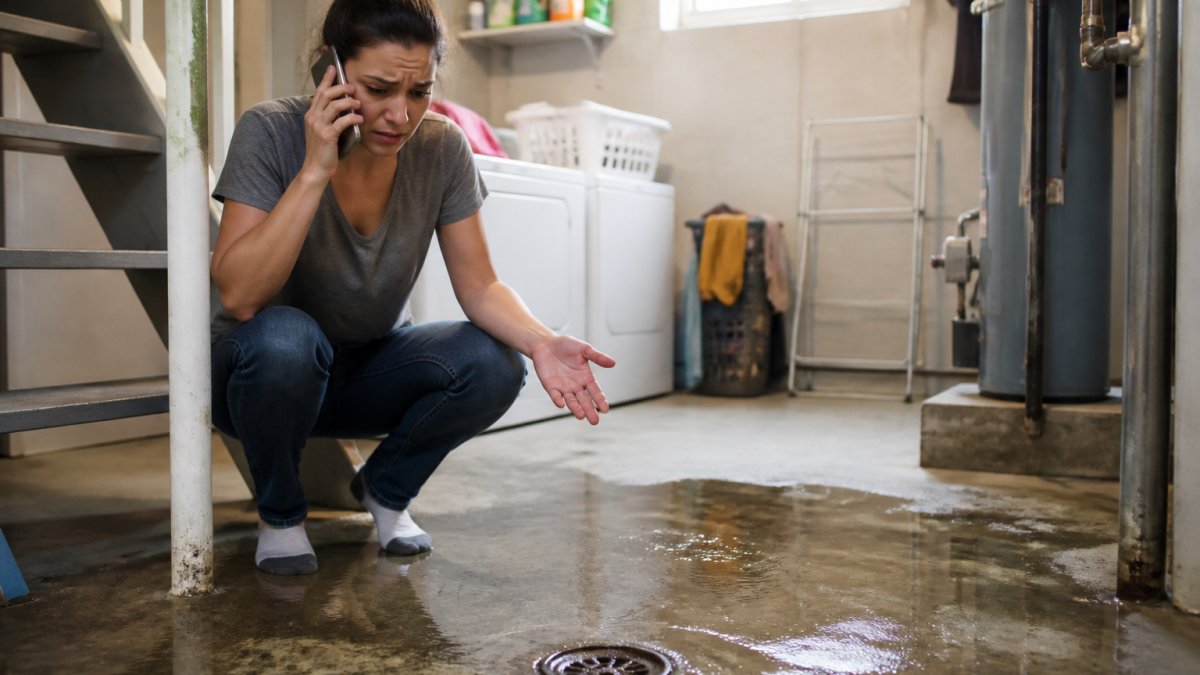
This is the clearest sign of a sewer emergency. Sewage backing up into toilets, showers, tubs, or floor drains means your sewer line can’t handle the wastewater flow. Raw sewage in your home is a serious health risk and requires immediate action.
Sewage backup typically starts in the lowest-level fixtures. Basement toilets or floor drains are often the first to show the problem. You might notice dark water or solids coming up through drains.
What to do immediately:
- Stop using all water fixtures in your home
- Do not flush toilets
- Call an emergency plumber right away
- Keep children and pets away from affected areas
- Document the damage with photos for insurance
Sewage contains harmful bacteria and pathogens (the CDC). Exposure can cause serious illness. This is not a situation where you wait for a convenient appointment.
Multiple Drains Clogged at Once
A single clogged drain is a minor inconvenience. Multiple drains clogged at once is a red flag for sewer line trouble. If your toilet, shower, and kitchen sink all stop draining on the same day, the blockage isn’t in any individual pipe.
The main sewer line connects all your home’s drains. A blockage there affects everything downstream. Common causes include:
- Tree roots growing into the line
- Grease buildup over time
- Debris accumulation
- Pipe collapse or damage
- Offset joints that trap waste
When multiple drains clog simultaneously, a plunger won’t fix it. You need a professional to inspect the main line and identify the actual problem.
Signs to act on:
- Two or more drains slow or stop at the same time
- Plunging doesn’t help
- The problem persists after drain cleaner
- Drains back up after heavy rain
Heavy rain sometimes triggers multiple clogs because groundwater enters the system through cracks in the sewer line. If this happens repeatedly, your line probably has damage.
Sewer Gas Smell in Your House or Yard
Foul sewer odors inside or outside your home indicate a breach in your sewer line. A properly sealed system contains these smells underground. When you notice sewage smell, it means gas is escaping through cracks or damage.
Sewer gas smells like rotten eggs or decomposing waste. It’s not just unpleasant, it’s a sign of a real problem. The smell might come from drains, your yard, or crawl spaces.
Where you might notice it:
- Near floor drains in basements
- Around the toilet area
- In your yard or near the foundation
- Near the septic tank or main line cleanout
Sewer gas contains methane and hydrogen sulfide. Prolonged exposure can cause headaches, nausea, and respiratory irritation. If the smell is strong or persistent, get professional help quickly.
Sometimes a simple fix like a blocked vent stack causes the smell. Other times it’s a cracked pipe. Only a professional inspection can tell you which.
Gurgling Sounds From Drains and Toilets
Gurgling or bubbling sounds from drains and toilets mean air is trapped in your pipes. When your sewer line is blocked, water can’t flow freely, so air gets forced back up through drains, creating those odd noises.
You might hear gurgling when you flush the toilet, run the shower, or drain the sink. The sound happens because water and air are fighting their way through a narrowed passage.
What causes the noise:
- Partial blockage in the main line
- Tree roots restricting flow
- Debris caught in the pipe
- Collapsed section of pipe
- Vent stack obstruction (less serious)
When gurgling is just a warning sign versus an emergency:
Not all gurgling requires emergency repair. A single gurgling drain in an older home might indicate a vent stack issue or a localized clog, something that warrants a prompt inspection but not an immediate call at midnight. However, gurgling becomes urgent when it occurs alongside other signs.
If gurgling happens in multiple drains simultaneously, especially paired with slow drainage or faint sewer odors, the main line is likely blocked.
Gurgling that worsens over days or weeks, or that suddenly appears after heavy rain, often signals root intrusion or a settling pipe. These problems worsen quickly once they start.
How to assess the urgency:
- Gurgling in one drain only + no other symptoms = schedule an inspection within a few days
- Gurgling in multiple drains + slow drainage = call a plumber today
- Gurgling + sewage smell + wet yard = emergency call required
- Gurgling that started after heavy rain + recurring clogs = likely root damage, needs prompt diagnosis
What a plumber will do to diagnose:
When you call about gurgling, a professional will ask whether it’s isolated or widespread, whether it’s accompanied by slow drains or odors, and whether it started suddenly or gradually. They may recommend a sewer camera inspection to see exactly where the blockage or damage is.
Gurgling is often an early warning sign. It typically appears before sewage backs up or drains slow significantly. If you catch it at this stage and get it diagnosed, you can often prevent a full emergency and choose the most cost-effective repair option.
Wet Spots, Soggy Patches, or Yard Flooding
Unusually wet areas in your yard can signal a sewer line leak. When your main line cracks or breaks, sewage leaks into the surrounding soil. This creates wet spots even when it hasn’t rained, soggy patches that stay damp, or unexplained standing water.
A leaking sewer line saturates the ground around it. You might notice:
- Grass that’s greener and grows faster than the rest of your yard
- Soft, marshy ground in certain spots
- Persistent puddles that don’t drain
- Cracks in your foundation or patio
- Sunken areas in your yard
The lush grass happens because sewage acts as fertilizer. It looks good, but it’s a sign of serious underground damage.
Health and safety concerns:
- Contaminated groundwater
- Weakened soil structure
- Risk to your home’s foundation
- Potential environmental hazard
If you see these signs, especially near where your main sewer line runs, call a professional for a camera inspection. They can see exactly where the leak is and what caused it.
Understanding Sewer Line Repair Costs and Your Options
How professionals diagnose the problem
Before any repair is recommended, a plumber must identify exactly what’s wrong. This diagnostic step is critical because the wrong repair wastes money and time.
The primary diagnostic tool is a sewer camera inspection.
A camera inspection is an investment that prevents costly mistakes. Once the camera shows the problem, the plumber can recommend the right repair method instead of guessing.
For locating the exact position of damage, plumbers use sonde equipment, a radio transmitter attached to the camera that signals its location above ground.
Some plumbers also use smoke testing to find cracks or breaks. Smoke is introduced into the line, and any escaping smoke shows where the pipe is damaged.
What the diagnosis tells you:
- Blockage only (grease, roots, debris): The line itself is intact. Cleaning with a hydro-jet (high-pressure water) or mechanical removal solves the problem. Cost: $300-$600.
- Localized crack or small break: Trenchless repair using a pipe liner works well.
- Root intrusion throughout the line: Roots can be removed, but they often return. Some lines need replacement or preventive root barriers.
- Collapsed or severely damaged section: Excavation and replacement of that section, or full-line replacement if damage is widespread.
- Offset joints or misalignment: Trenchless repair or spot excavation, depending on severity.
Repair methods and when to use them
Hydro-jetting and mechanical cleaning removes blockages without opening the ground. A high-pressure water jet (typically 3,000-4,000 PSI) scours the inside of the pipe, clearing roots, grease, and debris.
Trenchless pipe lining (cured-in-place pipe, or CIPP) is used for cracks, small breaks, and root damage.
Traditional excavation repair involves digging up the damaged section, removing it, and installing new pipe.
Spot repair addresses damage in a specific section without replacing the entire line.
Full line replacement is necessary when the pipe is severely corroded, misaligned throughout, or has multiple failures. This is the most comprehensive solution but also the most costly and disruptive.
What affects the cost:
- Length of pipe needing repair or replacement
- Depth of the line (deeper = more labor and equipment)
- Type of damage (blockage is cheapest; collapse is most expensive)
- Access to the line (buried under concrete or landscaping costs more)
- Pipe material (clay, cast iron, PVC, concrete, some are harder to repair)
- Local labor rates and permit costs
- Soil type and groundwater conditions
- Whether the line runs under structures or utilities
Getting an accurate estimate:
A reputable plumber will perform a camera inspection, explain what they found, and provide a written estimate that breaks down labor, materials, and equipment costs.
Many homeowners are surprised to learn that the cheapest option upfront isn’t always the best value.
Frequently Asked Questions
What are the most obvious signs of a sewer line emergency?
The clearest indicators are sewage backing up into drains or toilets, multiple drains clogging simultaneously, foul sewer odors indoors or in the yard, and gurgling sounds from plumbing fixtures. If you notice any combination of these signs, contact an emergency plumber immediately. Slow drains throughout your home and wet patches in the yard are also red flags that warrant professional inspection.
Can tree roots really cause a sewer line emergency?
Yes. Tree roots seek moisture and can penetrate cracks in sewer lines, causing blockages and eventual line collapse. Older homes with clay or cast iron pipes are especially vulnerable. If you have large trees near your sewer line and experience recurring clogs or backups, root intrusion may be the culprit. A professional sewer camera inspection can confirm whether roots are damaging your line.
What should I do inside the home if sewage is backing up into drains?
Stop using water immediately, no showers, laundry, or toilet flushes. Close drains with plugs or towels to prevent sewage from surfacing in multiple locations. Move away from the area and do not attempt cleanup yourself due to health hazards. Call an emergency plumber right away. Document the damage with photos for insurance purposes, but prioritize safety over cleanup until professionals assess the situation.
How much does emergency sewer line repair typically cost?
Sewer line repair costs depend on the extent of damage, the repair method used, and your property’s layout. Minor repairs may cost significantly less than full line replacement. Since pricing varies widely, contact a licensed plumber for an upfront estimate. Many emergency plumbers offer free inspections using sewer camera technology to diagnose the problem before quoting a price.
When you notice any of these 10 signs you need emergency sewer line repair, don’t wait. Early action prevents catastrophic damage to your home and protects your family’s health. Alpha Rooter & Plumbing responds to sewer emergencies 24/7 with state-of-the-art diagnostic equipment and licensed professionals who deliver upfront pricing with no hidden fees. Call now for a rapid response and expert assessment of your sewer line condition.
Comments are closed