
Table of Contents
- The First Hours: Why Minutes Matter With a Burst Pipe
- What to Do When a Pipe Bursts: Your Immediate Action Plan
- Water Damage Escalation: What Happens in the First 24 Hours
- Health and Safety Risks From Burst Pipes and Standing Water
- How Long Does Burst Pipe Repair Take and Why Speed Matters
- Does Homeowners Insurance Cover Burst Pipes and Water Damage
- Hidden Damage You May Not See: Slow Leaks and Structural Failure
- Frequently Asked Questions
Last Updated: October 6, 2026
The First Hours: Why Minutes Matter With a Burst Pipe
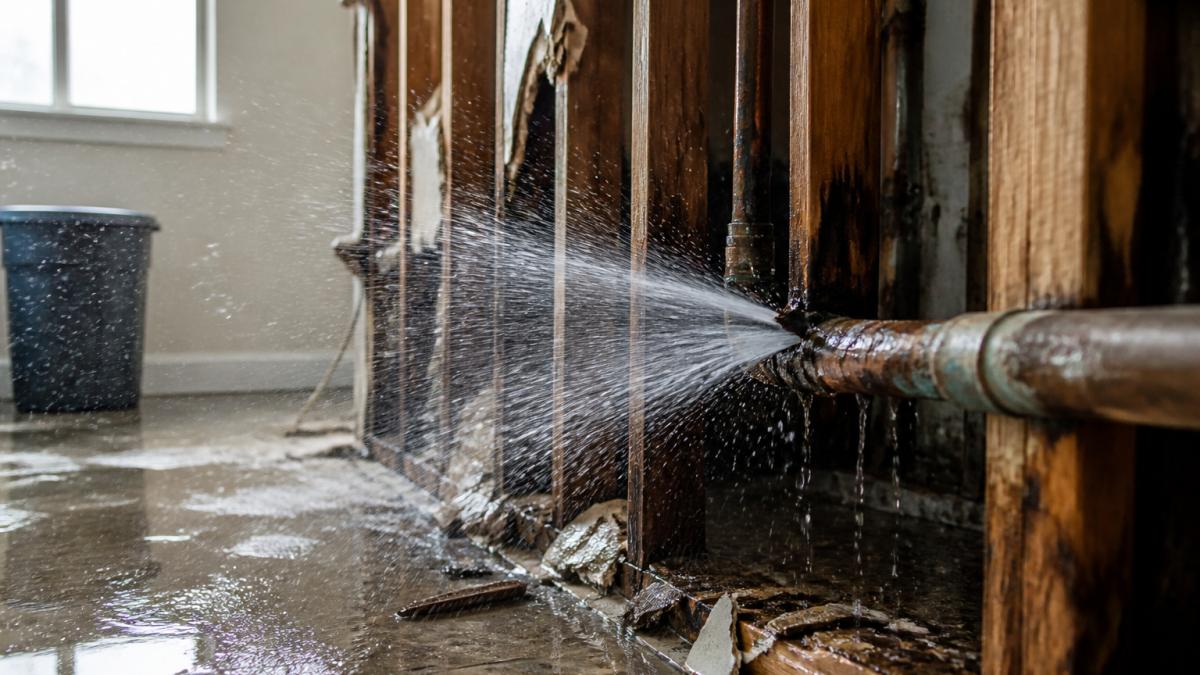
A burst pipe is one of the most damaging emergencies a homeowner can face. Within the first hour, water spreads through walls, floors, and ceilings, and damage accelerates with delay.
Alpha Rooter & Plumbing responds to burst pipe emergencies to stop damage before it becomes catastrophic, waiting even a few hours can mean thousands of dollars in repairs.
In those critical first minutes:
- Water pressure forces water into every gap and crack
- Drywall absorbs moisture and weakens
- Electrical systems in flooded areas become hazardous
What to Do When a Pipe Bursts: Your Immediate Action Plan
When you discover a burst pipe, follow these four steps in order.
Step 1: Locate and shut off water to your house
Find your main water shutoff valve, usually in the basement, crawl space, near the foundation, or outside in a meter box. Turn it clockwise until it stops. This is the single most important action you can take.
If you can’t find the shutoff valve:
- Check your home’s plumbing diagram (usually near the electrical panel)
- Call a neighbor who has lived there longer
- Contact your water company for the location
Step 2: Turn off electricity to flooded areas
Water conducts electricity, so any flooded room is a shock hazard. Flip the breaker for the affected area to OFF; if water is spreading toward the panel, turn off the main breaker and leave immediately. Do not touch water, wet walls, or outlets, and do not use appliances there until a licensed electrician inspects them.
Step 3: Call an emergency plumber
Contact a licensed professional immediately, a burst pipe requires professional repair.
Alpha Rooter & Plumbing guarantees a response time under 90 minutes, 24/7. Our licensed plumbers arrive with state-of-the-art diagnostic tools to locate the burst, assess damage, and begin repairs.
When you call, tell the plumber:
- Where the water is coming from (if you know)
- Which rooms are affected
- Whether water has reached electrical areas
Step 4: Contain and collect the leaking water
While waiting for the plumber, close doors to unaffected rooms, place towels and buckets under active leaks, and open windows for air circulation. Move furniture, electronics, and valuables out of the affected area, water damage spreads horizontally and vertically, so what looks dry now may be wet in minutes.
Water Damage Escalation: What Happens in the First 24 Hours
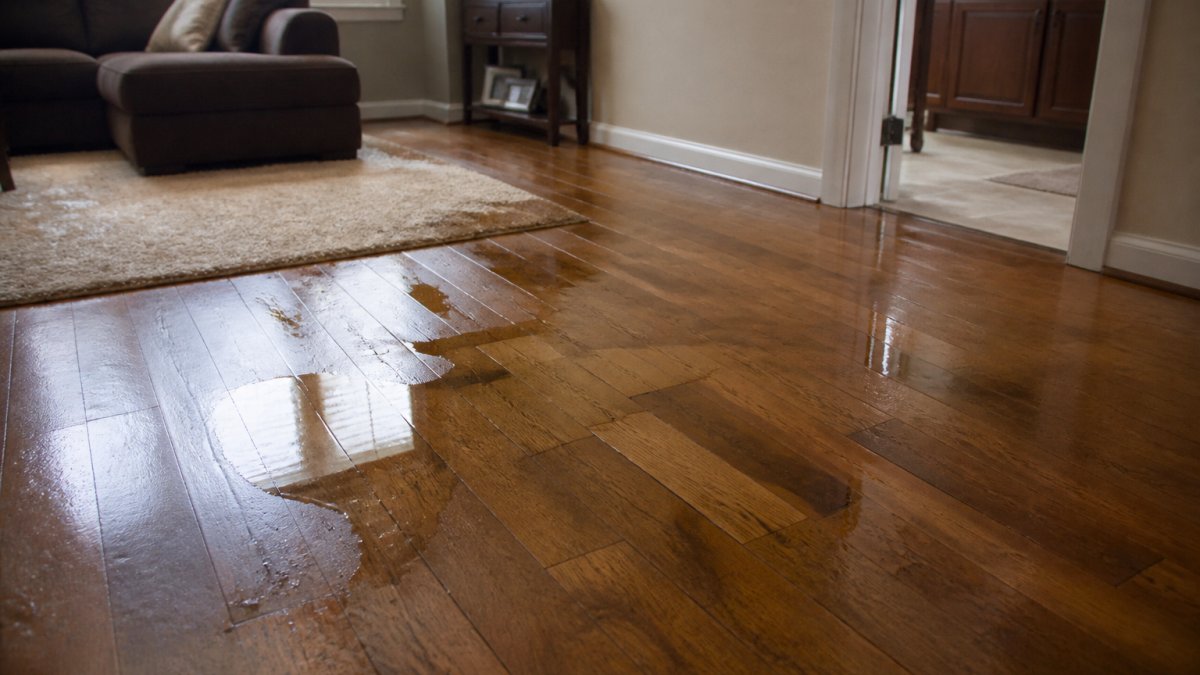
The first 24 hours determine how severe your damage becomes. Water wicks, evaporates, re-condenses, and feeds microbial growth, each on its own clock.
Minutes 0-60: Saturation and spread
Pressurized water from a burst supply line follows the path of least resistance, traveling along joists, inside wall cavities, and under flooring before showing on a surface. Within the first hour:
- Drywall paper facing wicks water upward by capillary action, often 6-12 inches above the visible wet line
- Insulation (especially blown-in cellulose and fiberglass batts) absorbs water and loses R-value as it compresses
- Wood framing swells at the grain; engineered lumber (LVL, OSB, plywood) delaminates faster than solid wood
If the water is clean supply-line water, most material is still salvageable in this window.
Hours 1-24: Material failure and microbial onset
| Timeframe | What is happening | Why it matters |
|---|---|---|
| 1-6 hours | Drywall loses compressive strength; paint blisters; wood swells and warps | Structural and cosmetic damage becomes visible and harder to reverse |
| 6-12 hours | Flooring buckles at seams; subfloor (particleboard, OSB) softens; wall cavities hold standing water | Subfloor replacement is far costlier than drying |
| 12-24 hours | Mold spores that were already present activate and colonize; musty odors appear; insulation sags | Mold remediation adds a separate, specialized cost |
Mold is the wildcard. Spores are everywhere in indoor air; they need moisture, organic material, and roughly 24-48 hours of sustained dampness to colonize visibly. That is why the industry-standard drying window is 24-48 hours, remediation shifts from “dry it out” to “remove and replace.”
Days 2-7: The compounding phase
Once materials stay wet past roughly 48 hours:
- Mold colonies mature and release spores into HVAC returns, spreading contamination to rooms that never got wet
- Wood rot fungi establish and digest cellulose in framing, subfloor, and trim
- Drywall paper separates from gypsum core; ceilings can sag and fail
Weeks 2+: Hidden structural and health consequences
Water that was never fully dried migrates and re-condenses with temperature swings. Long-term outcomes include:
- Wood-destroying organisms, rot fungi and, in persistently damp wood, termites and carpenter ants
- Compromised load paths, joists, headers, and studs that have lost cross-section can fail under normal loads, causing sagging floors or ceiling collapse
- Indoor air quality problems, volatile organic compounds from mold metabolism and degraded building materials
The water-category framework that changes the timeline
The restoration industry classifies water by contamination level, which changes health risk and repair timeline:
- Category 1 (clean): Water from a supply line, water heater, or clean rain. If dried within 24-48 hours, most materials can be saved.
- Category 2 (gray): Water from a washing machine discharge, dishwasher, or toilet bowl (no feces). Contains some contaminants; requires antimicrobial treatment.
- Category 3 (black): Water from sewage backup, toilet trap, or any water that has sat long enough to grow bacteria. Porous materials (drywall, carpet, insulation) are generally removed, not dried.
A burst supply pipe starts as Category 1 but can become Category 2 or 3 if it sits long enough, contacts soil in a crawl space, or mixes with drain water, a major reason delay is so expensive.
If the water may have contacted sewage, soil, or a drain line, treat it as Category 3. Do not handle it without PPE, and do not run your HVAC system, it can distribute contaminants through the house.
What actually drives the cost curve
Mitigation costs rise sharply once materials cross from “dryable” to “replaceable.” Drying equipment and labor are predictable; demolition, disposal, and rebuild are not. That crossover typically happens between 24 and 72 hours of continuous wetness, the same burst pipe can be a few-hundred-dollar repair if caught fast and a multi-thousand-dollar rebuild if ignored for a weekend.
Health and Safety Risks From Burst Pipes and Standing Water
Standing water creates immediate health hazards. Contaminated water carries bacteria, viruses, and parasites that cause serious illness.
Mold exposure: Inhaling mold spores triggers allergic reactions, asthma attacks, and respiratory infections; some species produce neurotoxins (the CDC).
Electrical hazards: Water in contact with live circuits creates electrocution risk.
Structural collapse: Weakened floors and ceilings can collapse without warning, causing falls and crush injuries.
Do not enter flooded areas without professional assessment, touch standing water, or attempt cleanup yourself.
How Long Does Burst Pipe Repair Take and Why Speed Matters
Repair time depends on the pipe location, burst size, and extent of water damage.
Accessible burst (basement or crawl space): 2-4 hours for pipe replacement and testing
Multiple burst locations: 8+ hours (each pipe must be located, repaired, and tested individually)
With water extraction and drying: Add 24-72 hours for professional water removal and dehumidification
The sooner you call a plumber, the sooner repair begins.
Does Homeowners Insurance Cover Burst Pipes and Water Damage
Most homeowners insurance policies cover sudden, accidental burst pipes, but coverage depends on the cause and your policy. The documentation and timing mechanics are where claims succeed or fail.
What is typically covered
- Sudden pipe burst from freezing temperatures
- Sudden pipe burst from age, defect, or a failed fitting
- Water damage to the structure and personal property caused by the burst itself
What is typically excluded
- Burst pipes from lack of maintenance or known unrepaired issues
- Negligence, such as failing to winterize or ignoring a known leak
- Gradual leaks, slow seepage, and long-term moisture damage
The documentation checklist that protects your claim
Do this before you throw anything away. Insurers routinely deny or reduce claims when the cause of loss or extent of damage cannot be verified.
- Photograph and video everything, wide shots of each affected room, then close-ups of the burst pipe, the water line on walls, and damaged belongings.
- Keep the failed pipe or fitting, adjusters may want to inspect the failure mode (freeze split, corrosion, mechanical damage).
- Log the timeline, when you discovered the leak, shut off water, called a plumber, and began mitigation. A written log with times is enough.
- Save every receipt, plumber, restoration company, hotel if displaced, equipment rental, and replacement items.
- Inventory damaged property, item, approximate age, and replacement cost. Photos of the room before the loss are gold here.
- Keep mitigation records, moisture readings, drying logs, and equipment placement records prove you acted promptly.
The mitigation-vs-evidence tension
Your policy generally requires you to mitigate further damage (shut off water, extract standing water, dry the structure) but also to document the loss. You can do both, the order matters.
- Shut off the water and stop the source first. This is always the priority.
- Photograph the scene before moving wet items, if safe.
- Then begin mitigation. Do not delay drying for days waiting on an adjuster.
Most policies require you to report a claim within a reasonable time, often stated as “promptly” or within a set number of days. Waiting weeks to report, or waiting days to begin mitigation, is one of the most common reasons a claim is reduced or denied.
How the claim process actually flows
- Report the loss to your insurer as soon as the emergency is stabilized.
- Get a claim number and the name of your assigned adjuster.
- Schedule the adjuster inspection, but do not wait on it to begin emergency mitigation.
- Submit your documentation package (photos, receipts, inventory, mitigation records).
- Review the adjuster’s estimate against your documentation. Discrepancies are common and can be appealed.
- Get the repair scope in writing before work begins.
Where claims go wrong
- Cause of loss is unclear. If the adjuster cannot determine whether the pipe froze, corroded, or was damaged, the claim may be delayed or denied.
- Damage is classified as gradual. Insurers distinguish sudden bursts from slow leaks; a pinhole leak that ran for months is usually treated as maintenance, not a covered loss.
- Mold exceeds the sublimit. If your policy caps mold coverage, the overage is out of pocket.
Working with a restoration company and your insurer
Professional water restoration companies routinely document damage, photograph conditions, take moisture readings, and provide itemized estimates in a format adjusters expect. That does not replace your own documentation, but it strengthens the file, ask the company to share its documentation with you, not just the insurer.
If your claim is denied or underpaid, you generally have the right to request a written explanation, submit additional documentation, and in many states invoke an appraisal or mediation process defined in your policy.
Hidden Damage You May Not See: Slow Leaks and Structural Failure
A burst pipe doesn’t always announce itself with gushing water.
Signs of hidden leaks:
- Soft spots in walls or ceilings
- Discolored patches that grow slowly over days
- Musty odors in specific rooms
Hidden leaks cause the most damage because they go unnoticed for weeks or months.
Professional plumbers use thermal imaging and moisture detection equipment to find hidden leaks before they cause structural damage.
A burst pipe is a genuine emergency. Shut off water, turn off electricity to flooded areas, and call a licensed plumber right away, every hour you delay increases damage and repair costs.
Alpha Rooter & Plumbing responds to burst pipe emergencies 24/7 with guaranteed arrival in under 90 minutes.
Frequently Asked Questions
What should you do immediately if a pipe bursts in your home?
First, shut off the main water supply at your main shutoff valve to stop water flow. Next, turn off electricity to any flooded areas at the circuit breaker to prevent electrical hazards. Move furniture and belongings away from the water. Call an emergency plumber right away. While waiting, place buckets or towels to contain the leaking water and begin removing standing water if it’s safe to do so. Every minute counts to prevent further water damage and structural problems.
Does homeowners insurance cover burst pipes and water damage?
Most standard homeowners insurance policies cover sudden, accidental burst pipes and resulting water damage, but coverage depends on your specific policy and the cause. Damage from lack of maintenance, freezing due to inadequate heating, or gradual leaks is typically not covered. Document all damage with photos and contact your insurance company immediately after discovering the burst. Keep receipts for emergency repairs and temporary damage control measures. Review your policy details or call your agent to confirm your coverage before a plumbing emergency occurs.
How quickly can water damage from a burst pipe cause mold and structural problems?
Mold can begin growing within 24-48 hours in damp materials like drywall, insulation, and wood. Structural damage accelerates after 72 hours as water weakens foundations, floor joists, and wall framing. Ceiling and wall damage becomes visible within days as water saturates materials and causes them to sag or crack. The longer standing water remains, the greater the risk of permanent structural failure, rot, and costly repairs. This is why immediate action and professional water extraction are critical, delaying repairs by even a few hours significantly increases total damage and repair costs.
How long does burst pipe repair take once a plumber arrives?
Simple burst pipe repairs typically take 1-3 hours if the pipe is easily accessible and the damage is localized. More complex repairs, such as replacing long sections of pipe, repairing damage behind walls, or addressing multiple burst locations, can take 4-8 hours or require multiple visits. Emergency plumbers prioritize stopping the water flow and containing damage first, then assess whether temporary or permanent repair is needed. The exact timeline depends on pipe location, leak size, water type, and structural damage. Professional assessment on arrival determines the final repair scope and schedule.
Comments are closed